The organic fertilizer compost turner is the core piece of equipment in the composting and fermentation process; its performance—in terms of turning uniformity, failure rate, and service life—is largely determined by its configuration. Many users focus solely on price, overlooking critical specifications. This often leads to issues such as rapid wear of the turning blades, insufficient power, hydraulic oil leaks, and inadequate aeration, which can slow down the fermentation cycle and increase operational and maintenance costs. When making a purchase, prioritize the following components:

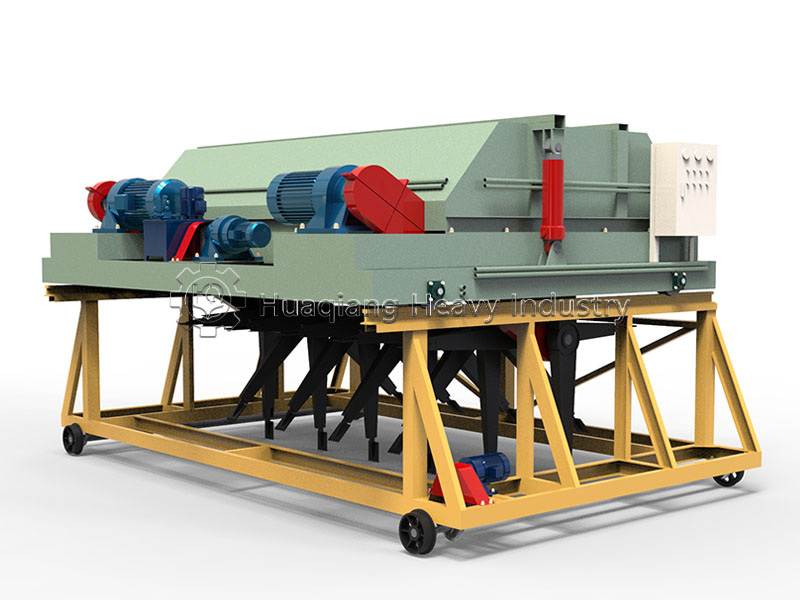
First, consider the turning drum and blade configuration, as these are the primary working parts of the machine. The drum should ideally be made of thickened seamless steel pipe and undergo dynamic balancing at the factory to minimize vibration during operation. For the blades, high-manganese steel is preferred due to its excellent wear and impact resistance. For high-moisture, sticky materials—such as pig or chicken manure—alloy-based wear-resistant blades are a better choice, as they extend the interval between replacements. Additionally, examine the blade arrangement; a well-designed spiral configuration ensures effective shredding, aeration, and mixing, preventing "dead zones" (untouched areas), material clumping, and uneven fermentation.
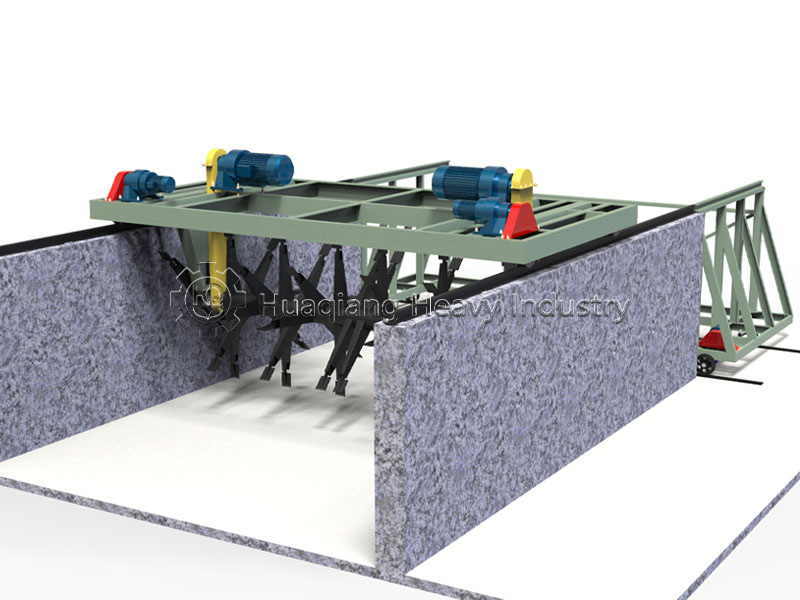
Next, evaluate the propulsion and transmission systems. For trough-type compost turners, focus on the rail-mounted wheels, gear motors, and drive chains; for crawler-type compost turners, check the specifications of the rubber tracks, load-bearing rollers, and drive motors. For the transmission system, opt for gear reducers with hardened gear surfaces, which offer higher load capacity, lower noise, and greater durability compared to standard units. A hydraulic system is a significant advantage; models equipped with a hydraulic drum-lifting mechanism allow for flexible adjustment of the turning depth based on the height of the compost pile. Furthermore, the hydraulic system’s cushioning function protects the drum when encountering dense, compacted material, preventing the machine from stalling. The hydraulic circuit should also include overload protection to prevent component damage caused by excessive pressure.
Finally, ensure that the power configuration matches your production capacity—avoid both excessive power (which is unnecessary) and insufficient power (which hinders performance). For small-scale farms and powdered organic fertilizer production lines, the choice between an electric motor or a diesel engine depends on the daily processing capacity. Electric-powered, trough-style (channel-type) machines are typically best suited for fixed fermentation facilities, while diesel-powered, crawler-mounted models are ideal for open-air windrow composting due to their superior mobility. When evaluating the electrical control system, note that advanced configurations may include features such as variable-frequency speed control, automatic reversing, programmable start/stop timers, and remote-control operation. These capabilities allow a single operator to manage the entire process, thereby reducing labor costs—an essential advantage for continuous, large-scale organic fertilizer production.
Finally, pay close attention to the materials used for the machine’s construction and the availability of replacement parts. Since organic fertilizer materials are often highly moist and corrosive, components that come into direct contact with the material should be treated with anti-corrosion coatings. When purchasing, ensure that the manufacturer provides a full set of wear parts—such as replacement blades, seals, and hydraulic hoses—and verify the details of their after-sales maintenance and support services. Huaqiang Heavy Industry advises that there is no universal standard for compost turner configurations; the optimal setup—offering the best value for money—is one tailored specifically to your site conditions, the type of raw materials used, and your daily processing requirements.