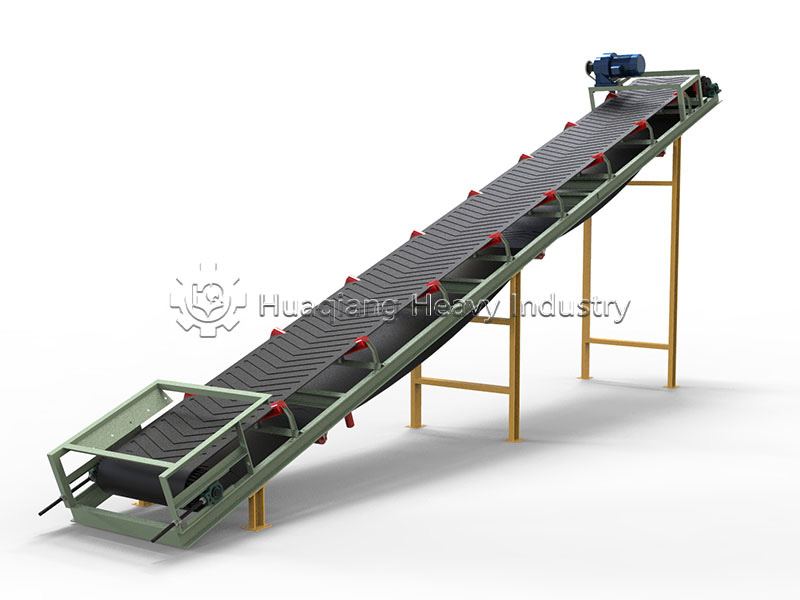
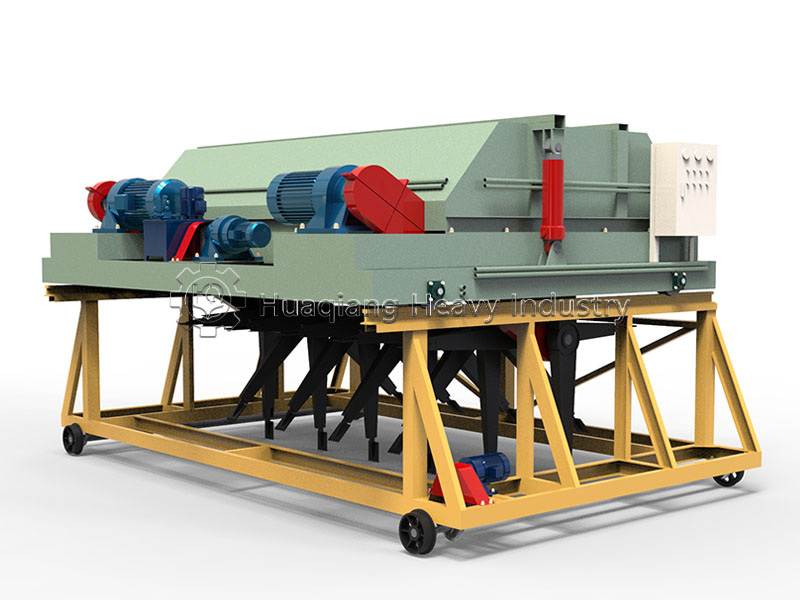
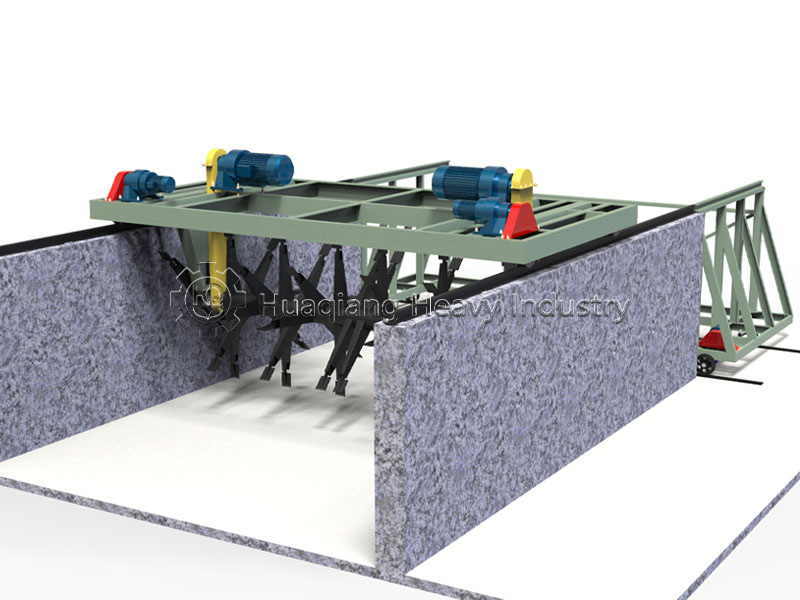
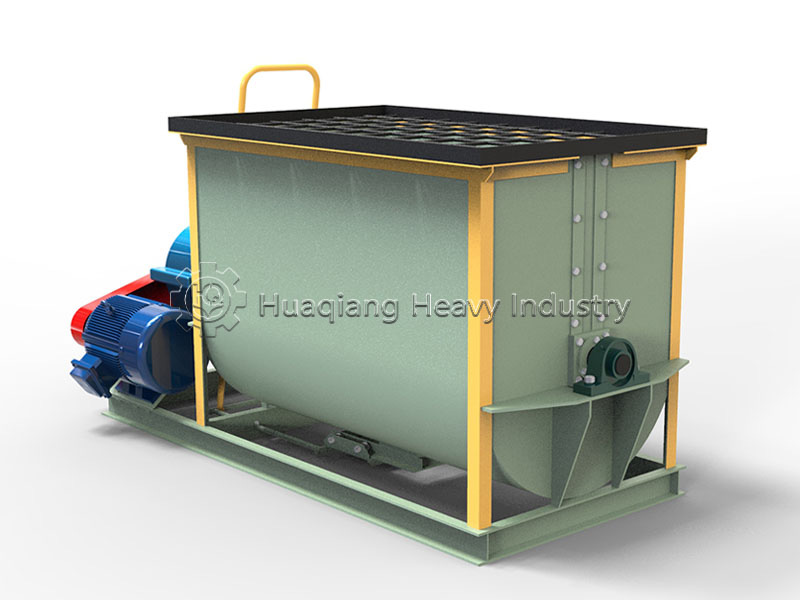
Organic fertilizer compost turners are the core equipment for aerobic fermentation. They facilitate oxygen supply, material crushing and mixing, cooling, and odor removal, thereby accelerating the decomposition of organic matter. They are essential components in organic fertilizer production lines and waste-to-resource projects. Huaqiang Heavy Industry offers a variety of turner models tailored to different raw materials and site conditions; these are detailed below in terms of raw materials and application scenarios.

Regarding raw materials, livestock and poultry manure—including that from cattle, pigs, chickens, and sheep—are the most common feedstocks. Pig and cattle manure, which tend to have high moisture content, high viscosity, and a tendency to clump, are best handled by crawler-type or chain-plate-type turners equipped with crushing mechanisms. Chicken manure, which has a high nitrogen content and causes rapid temperature increases during fermentation, yields better results when mixed with materials like straw or sawdust to adjust the carbon-to-nitrogen (C/N) ratio. Agricultural waste is another key feedstock; fibrous materials such as corn stalks, rice husks, wood chips, peanut shells, mushroom residue, oil-press cakes, traditional Chinese medicine dregs, and distillers' grains can be crushed and mixed with manure to improve pile aeration and balance moisture content.
Furthermore, organic solid waste—such as municipal sludge (subject to compliance standards), garden trimmings, and fruit and vegetable waste—can also be processed via fermentation using these turners. It is important to note that raw materials must be free of hard objects like plastics, metals, or stones, and materials with excessive heavy metal concentrations are unsuitable for composting. Before fermentation, the moisture content is typically adjusted to 55%–65% to ensure smooth turning and stable fermentation.
In terms of application scenarios, the first category includes large-scale organic fertilizer processing plants. Trough type compost turners are well-suited for fixed fermentation facilities and continuous production, while crawler-type turners are ideal for open-air windrow fermentation. Both types can be integrated into production lines for powdered or granular organic fertilizers, enabling the large-scale commercial production of organic fertilizer products. The second category consists of large-scale livestock and poultry farms—such as those for pigs, cattle, or chickens—equipped with on-site manure treatment facilities. These facilities ferment waste locally, enabling a circular system that integrates crop cultivation with livestock farming, thereby easing environmental pressure.
The third category includes crop production sites—such as orchards, nurseries, vegetable farms, and edible mushroom cultivation bases—where organic fertilizer can be produced on-site and returned to the soil, helping to lower cultivation costs. The fourth category comprises environmental projects focused on the harmless treatment of solid waste, including sewage sludge, landscaping waste, and agricultural by-product residues, facilitating the resource recovery and utilization of waste materials.
Equipment selection varies by application: for open, paved sites with limited budgets, a crawler-type compost turner is the preferred choice. For more compact sites with strict environmental standards—requiring enclosed operations and odor control—a trough-type compost turner is ideal. For large-scale processing involving sticky or viscous materials, a chain-plate compost turner may be used. Properly matching the raw materials with the right equipment helps shorten the fermentation cycle, minimize odors, and ensure consistent quality in the organic fertilizer produced, ultimately supporting the green and sustainable development of agriculture.