Large-scale livestock farming generates vast quantities of cattle manure; if simply piled up, it can cause environmental pollution and breed pests and pathogens. However, using professional organic fertilizer production equipment, this waste can be transformed into high-quality organic fertilizer, turning a waste product into a valuable resource. Producing organic fertilizer from cattle manure does not require complex processes; a dedicated set of machinery can handle the entire workflow—from raw material processing and fermentation to final product shaping—making it suitable for operations ranging from small farms to agricultural cooperatives.
The first key piece of equipment is the solid-liquid separator. Fresh cattle manure has a high moisture content (60%–80%) and a viscous consistency; direct fermentation often leads to compaction and poor aeration, resulting in failure. This machine utilizes screw-press filtration technology to rapidly separate solids from liquids, reducing the solid fraction's moisture content to the 40%–55% range required for effective fermentation. The separated solid manure is easy to stack and turn, while the liquid effluent can be collected for treatment and recycling, ensuring optimal fermentation conditions from the start.
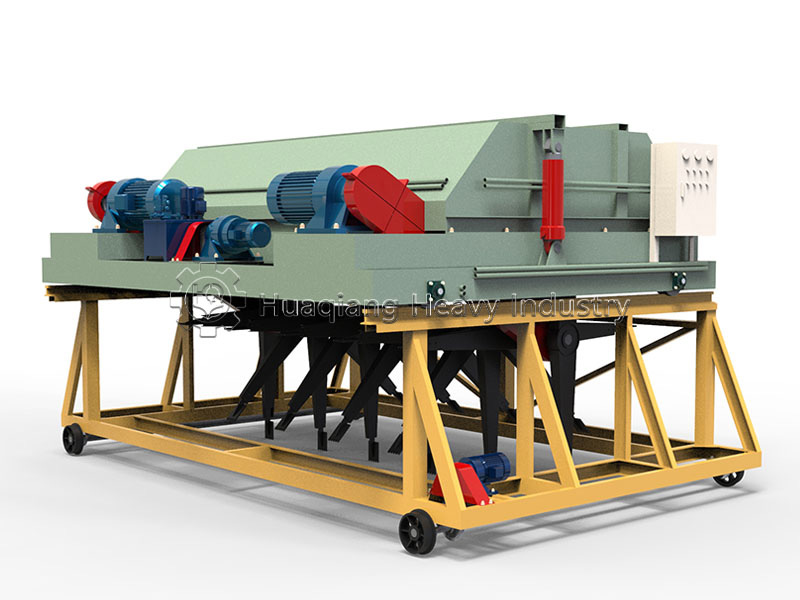
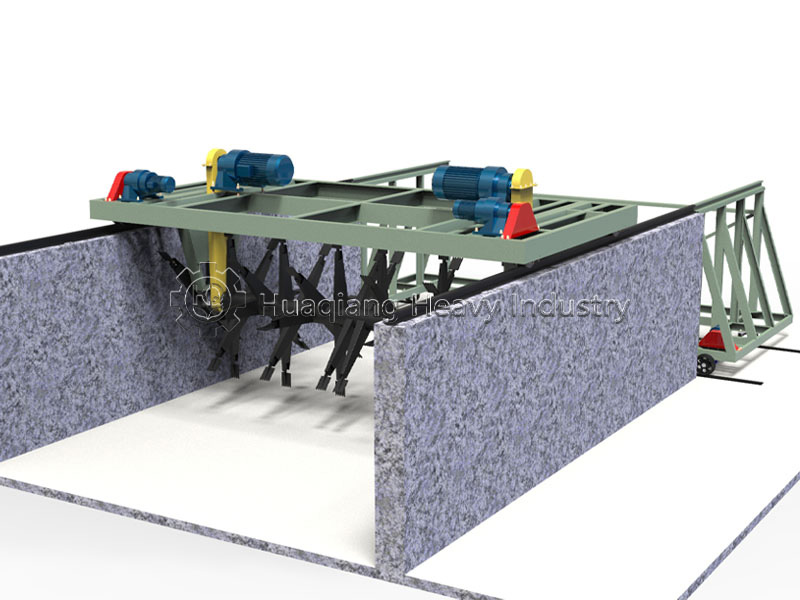
The second critical piece of equipment is the compost turner, which is essential for the decomposition process; the two main types are crawler-type and trough-type compost turners. Crawler-type compost turners are ideal for small-scale farmers and open-air composting sites; they are mobile, easy to operate, and can maneuver freely through compost piles, ensuring uniform turning and effective aeration. Large-scale facilities typically opt for trough-type compost turners, which work with standardized fermentation troughs to automate turning, oxygen supply, and temperature control. This allows the manure to decompose rapidly in high-temperature environments (above 55°C), killing insect eggs and pathogens within 7–10 days to ensure harmless processing while significantly shortening the fermentation cycle.
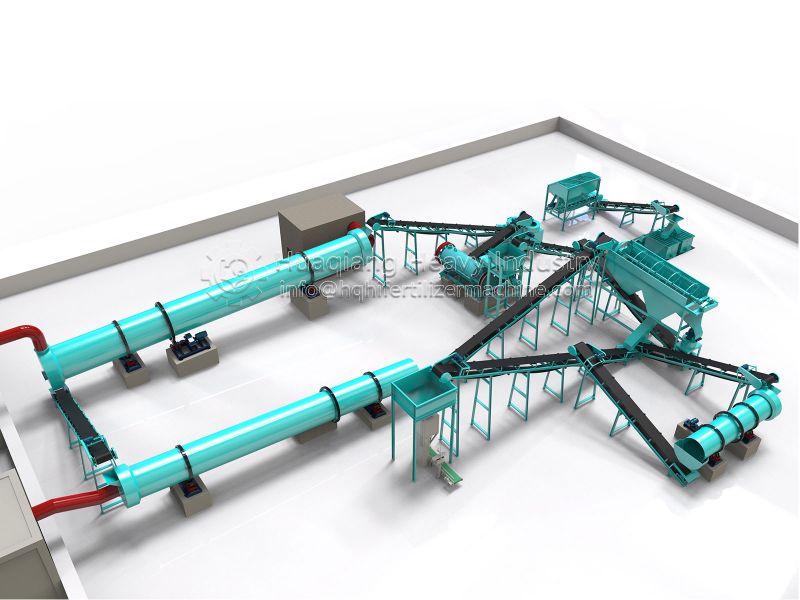
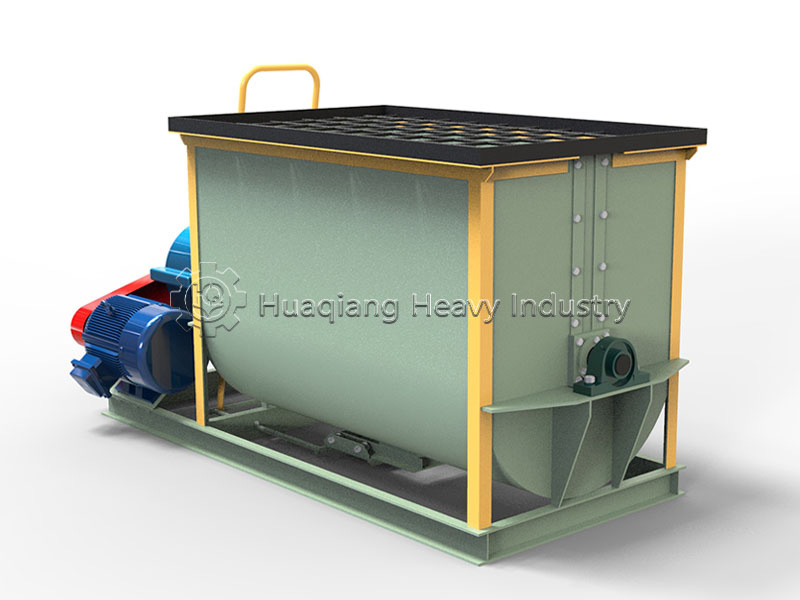
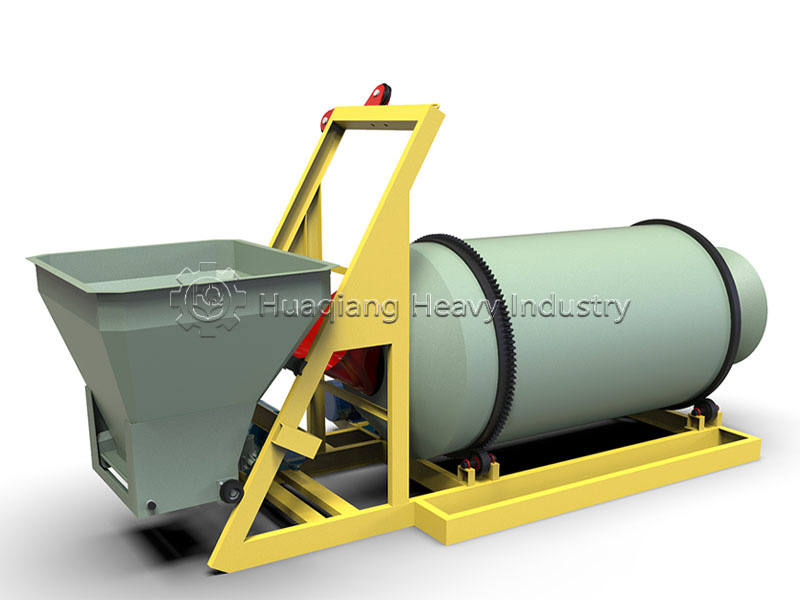
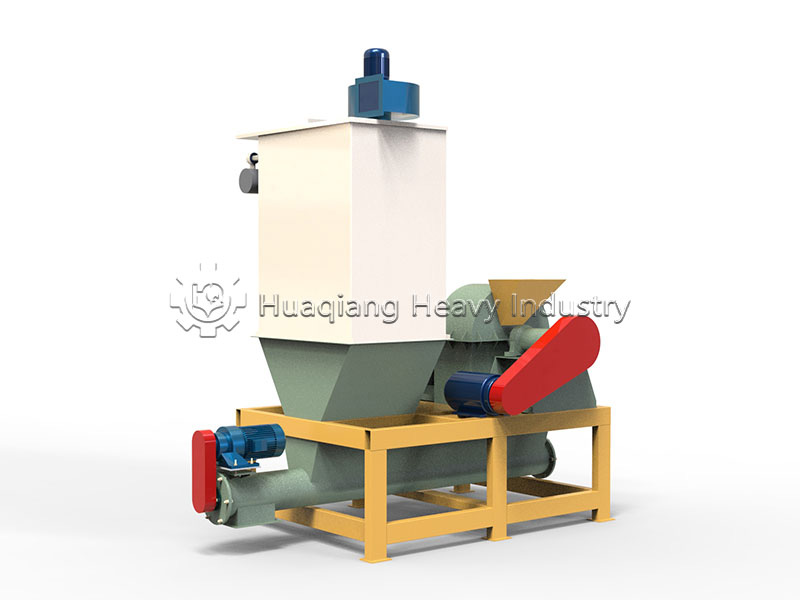
After fermentation and decomposition, the manure requires fine processing using a half-wet material crusher. Decomposed material often contains clumps and aggregates; this crusher is specifically designed to handle high-moisture, high-fiber manure, breaking it down into a uniform, fine consistency without clogging. This prepares the material for subsequent blending and shaping, ultimately enhancing the quality of the organic fertilizer. Compared to standard powdered organic fertilizer, granular organic fertilizer made from cow manure offers greater convenience in storage, transport, and application, along with more stable nutrient content and broader market applicability. Producing it requires a complete line that integrates specialized granulation, molding, and drying equipment with the standard processing stages used for powdered fertilizer. The initial steps—solid-liquid separation, turning and fermentation, and crushing/mixing—are identical to those for powdered fertilizer; once the materials are thoroughly mixed, they proceed to the core granulation stage.
The granulator is the heart of the production line, with two mainstream models suitable for cow manure. The disc granulator is ideal for small-to-medium production lines; it is easy to operate and produces uniform granules by using centrifugal force to roll material into clumps. It works well with decomposed cow manure of moderate stickiness, yielding round, firm granules. The new type organic fertilizer granulator is designed for high-moisture cow manure; it boasts a high granulation rate and resists clogging, making it adaptable to the production needs of various livestock farms.
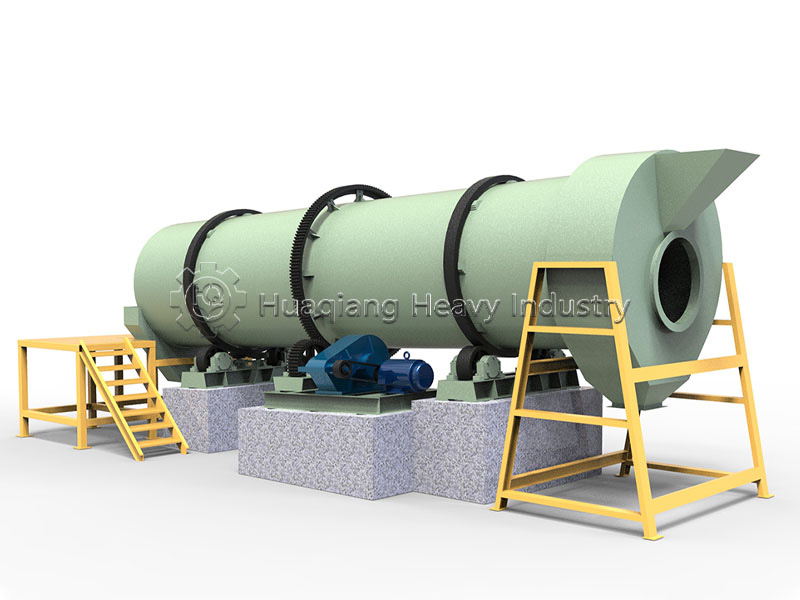
After granulation, the wet granules undergo processing in a drum dryer and cooler to remove excess internal moisture and increase hardness, thereby preventing clumping or mold growth caused by humidity during storage. Next, a drum screening machine classifies the product, removing fines, dust, and substandard pieces to ensure a final product of uniform size and quality. Finally, an automatic packaging machine precisely weighs and seals the product, resulting in standardized, market-ready granular organic fertilizer.
To further enhance quality, a coating system can be added to apply a protective layer to the granules. This effectively locks in nutrients and reduces volatilization, enabling slow-release, long-lasting fertilization suitable for diverse applications such as fruit and vegetable cultivation, landscaping, and field crops.
The entire equipment suite is user-friendly and cost-effective, with configurations ranging from simple, small-scale setups to fully automated production lines. It simultaneously addresses livestock waste pollution and produces eco-friendly organic fertilizer, fostering a circular economy between livestock farming and crop cultivation while promoting green agricultural development.



.jpg)