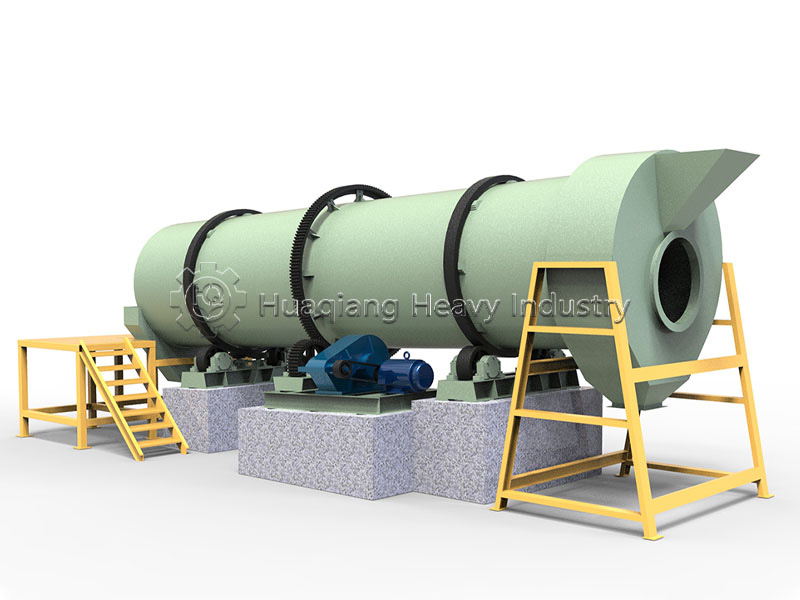
As livestock farming scales up and agriculture shifts toward greener practices, the resource utilization of agricultural waste—such as manure and crop stalks—has become an industry necessity. A complete organic fertilizer production line processes various organic wastes into high-quality commercial fertilizer, turning waste into a valuable resource; it is essential equipment for the transformation and upgrading of livestock farms, agricultural cooperatives, and fertilizer processing plants. Highly automated and versatile, the system supports the standardized production of both powdered and granular organic fertilizers.
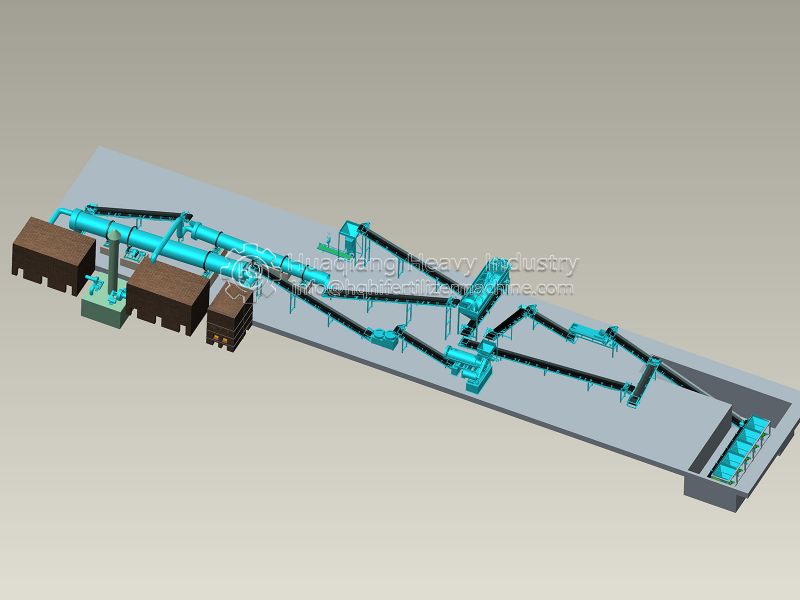
Based on the production workflow, a complete organic fertilizer production line comprises four major systems: pre-treatment, fermentation and decomposition, fine processing, and finished product handling. These systems operate in coordination to create a closed-loop production process.
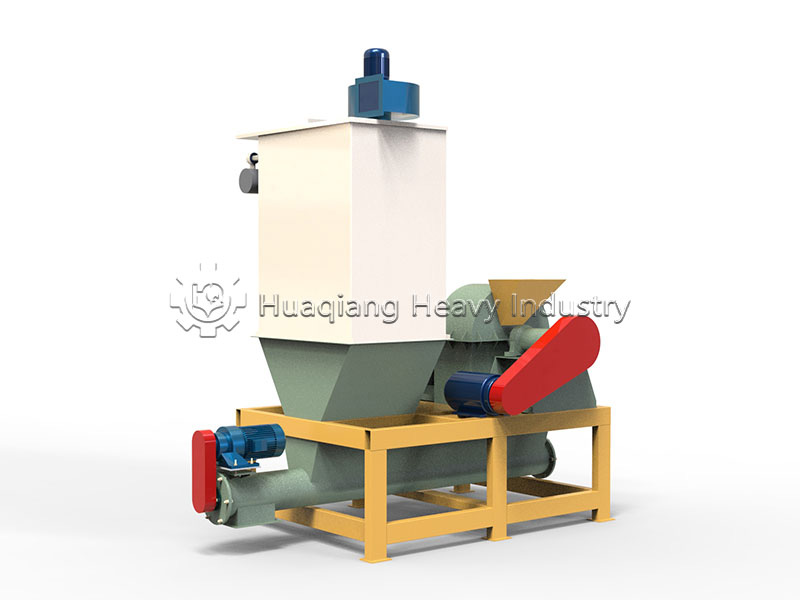
Raw material pre-treatment equipment forms the foundation of production and primarily includes solid-liquid separators, half-wet material crushers, and screening equipment. For high-moisture materials like pig or chicken manure, solid-liquid separators rapidly remove water to lower moisture content. Crushers handle clumped fermented material and crop stalk fragments, grinding them to a uniform fineness to prevent clogging. Screening equipment removes impurities and large, hard lumps, ensuring precision in subsequent processing stages.
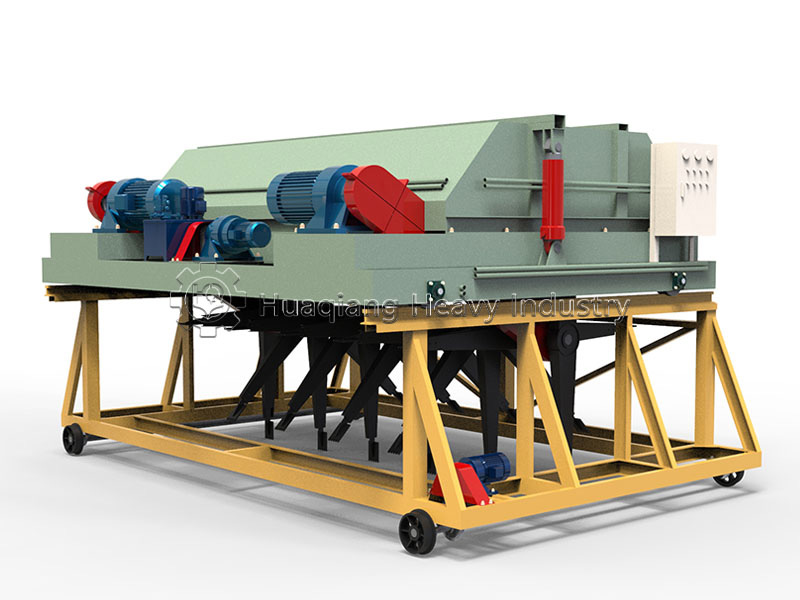
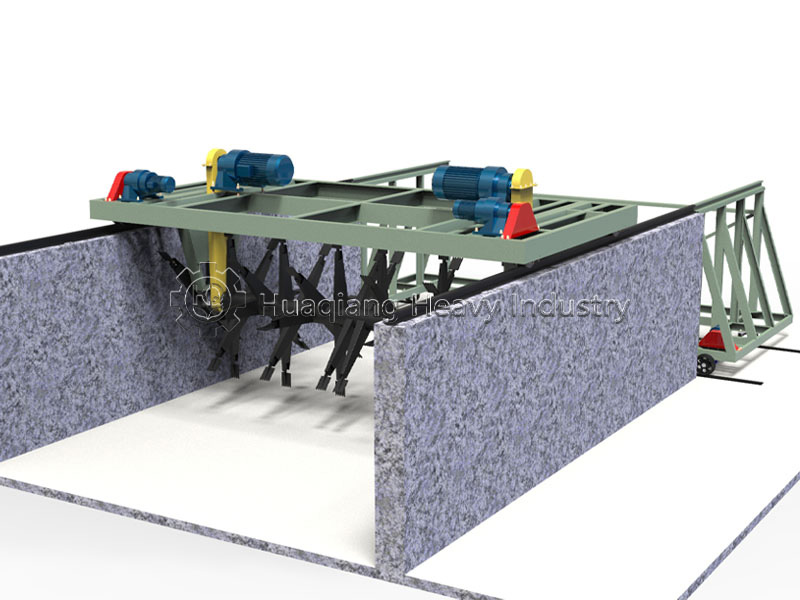
The fermentation and decomposition system is the core of organic fertilizer production, featuring the compost turner as its primary equipment. Common types—such as trough type and crawler type compost turners—automatically turn the material to promote aerobic fermentation. This process allows the material to decompose fully at high temperatures (55–65°C), effectively killing insect eggs, pathogens, and weed seeds. Harmless treatment is completed within 5–15 days, thoroughly eliminating manure odors and pollution issues while ensuring the fertilizer meets quality standards.
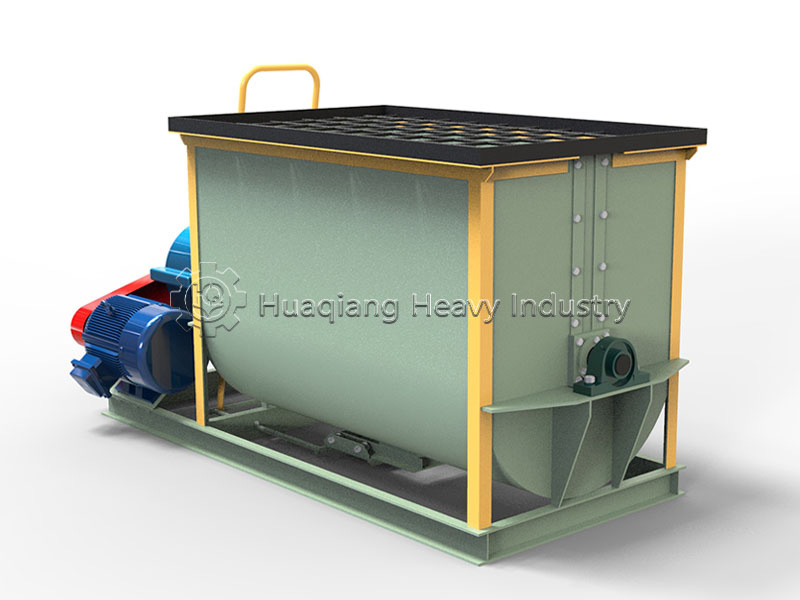
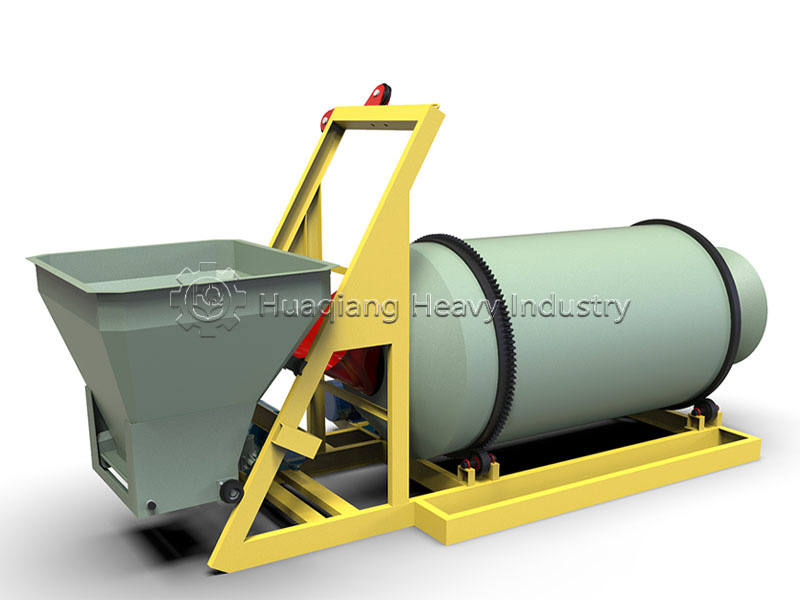
Fine processing equipment includes batching mixers, granulators, dryers, and coolers. Batching mixers precisely blend raw materials, microbial agents, and trace elements to ensure balanced nutrient content. New type organic fertilizer granulators transform powdered material into smooth, uniform granules, thereby enhancing fertilizer utilization efficiency. Dryers and coolers work in tandem to reduce material moisture to standard levels, preventing mold and clumping while extending the shelf life of the finished product.
Finally, the finished product processing section consists of a drum screening machine, a coating machine, and an automatic packaging machine. The screening machine separates qualified granules from rejects, with the latter being returned for reprocessing; the coating machine applies a functional protective layer to enhance the fertilizer's slow-release performance; and the fully automatic packaging machine handles quantitative weighing, sealing, and bundling, preparing the finished product for immediate warehousing and sale.
The entire organic fertilizer production line can be customized in terms of scale and output capacity to suit facilities ranging from small farms to large-scale fertilizer plants. Featuring fully automated operation, low energy consumption, and stable output, the system not only resolves pollution issues caused by agricultural waste but also produces high-quality, eco-friendly organic fertilizer. Delivering both economic and environmental benefits, it serves as core equipment for the circular development of modern agriculture.



.jpg)