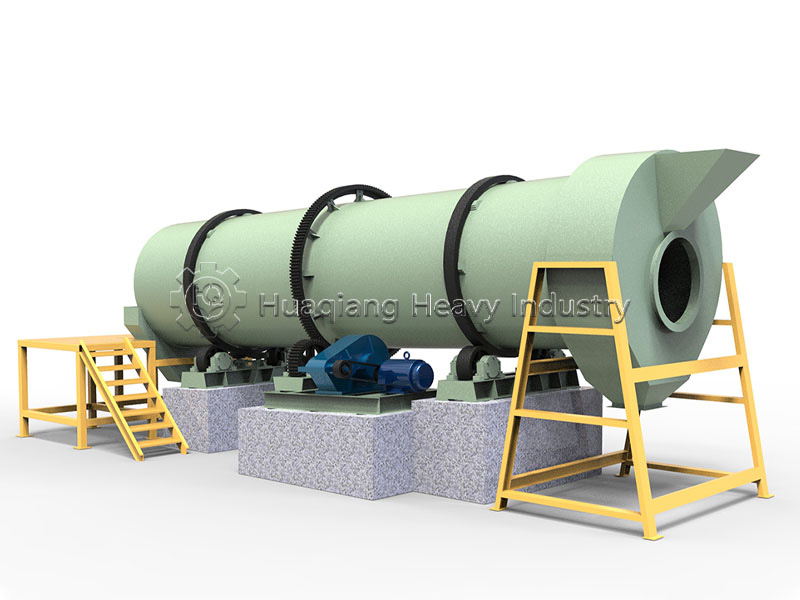
The efficient operation of an organic fertilizer production line is crucial for ensuring capacity, improving quality, and controlling costs. The secret lies in the detailed management of the entire process, including the operation and maintenance of organic fertilizer production equipment, raw material control, process optimization, and management coordination. Only by precisely connecting and scientifically managing each link can the production line achieve continuous and efficient operation.
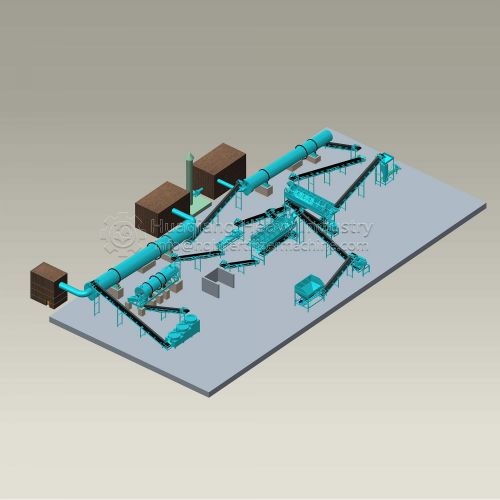
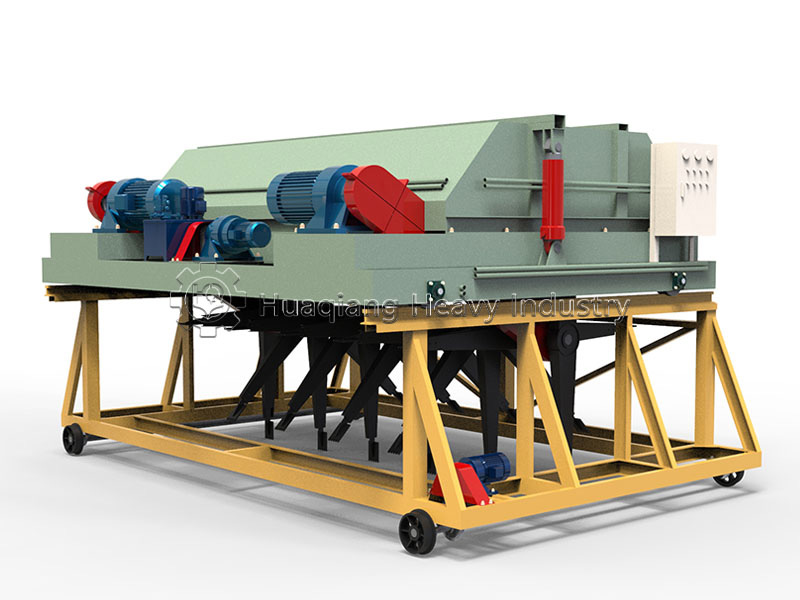
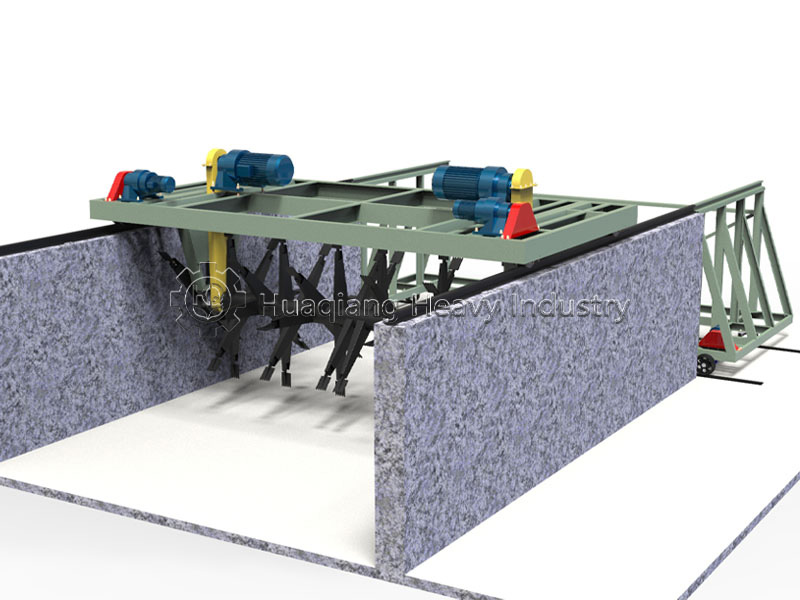
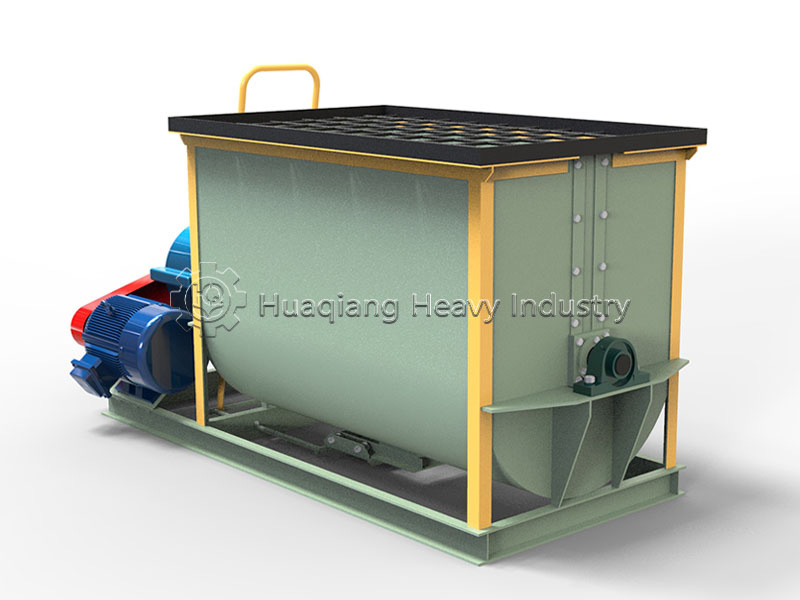
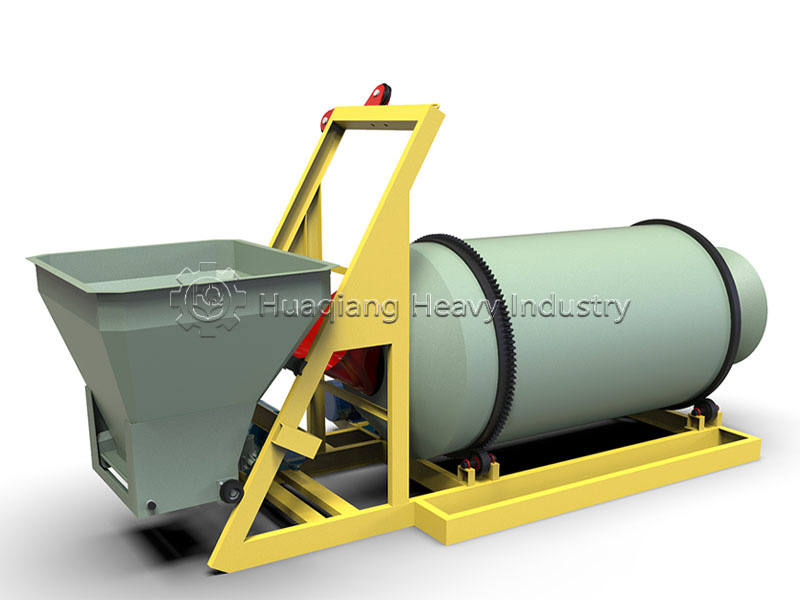
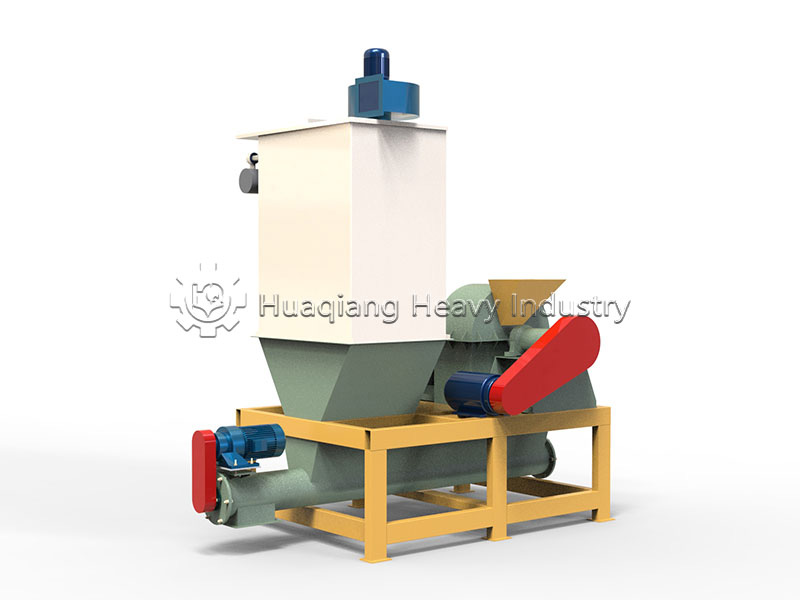
Stable equipment operation is the foundation of efficient production. A full-cycle maintenance system should be established, with regular inspection, lubrication, and maintenance of key equipment such as fermentation turning machines, crushers, and organic fertilizer granulation machines. Worn parts should be replaced promptly to avoid production line interruptions due to equipment failure. Simultaneously, intelligent monitoring equipment should be introduced to track equipment operating parameters in real time, predict potential faults in advance, and shift from passive repair to proactive prevention, significantly reducing downtime.
High-quality raw materials and precise proportions are prerequisites for improved efficiency. The moisture content and carbon-nitrogen ratio of raw materials directly affect fermentation efficiency. Strict selection of raw materials such as livestock manure and straw is necessary, and pretreatment processes should be used to adjust moisture and nutrient ratios to ensure a stable and efficient fermentation process. Furthermore, establishing a raw material storage early warning mechanism ensures sufficient and consistent raw material supply, preventing production disruptions due to shortages or quality fluctuations.
Process optimization is the core driver of increased capacity. Fermentation parameters should be dynamically adjusted according to raw material characteristics, and a segmented fermentation process should be adopted to shorten the maturation cycle. In granulation and drying stages, precise control of temperature, humidity, and other parameters improves product molding rate and drying efficiency, reducing material waste. Simultaneously, a closed-loop production model should be introduced to recycle and reuse dust and waste gas generated during the production process, reducing environmental pressure and improving resource utilization efficiency.
Scientific management and personnel coordination are the guarantees of efficient operation. Clearly define the responsibilities of each position, strengthen employee skills training, and improve operational standards and emergency response capabilities. Establish a production data traceability system to optimize production plans by analyzing data such as capacity and energy consumption, achieving efficient matching of personnel, machinery, and materials.
In summary, the efficient operation of an organic fertilizer production line is not simply the optimization of a single link, but rather the comprehensive coordination of equipment, raw materials, processes, and management. Only by controlling every detail can both capacity and quality be improved, driving the high-quality development of the organic fertilizer industry.



.jpg)