Organic fertilizer is an eco-friendly product made from organic waste—such as livestock manure, crop stalks, and kitchen waste—through harmless treatment and aerobic composting/fermentation; it serves to improve soil quality while enhancing crop quality and yield. A standardized organic fertilizer production line features a seamless, highly automated workflow comprising four core stages: raw material pretreatment, high-temperature fermentation, fine processing, and finished product packaging. The entire process is environmentally friendly and free from secondary pollution.
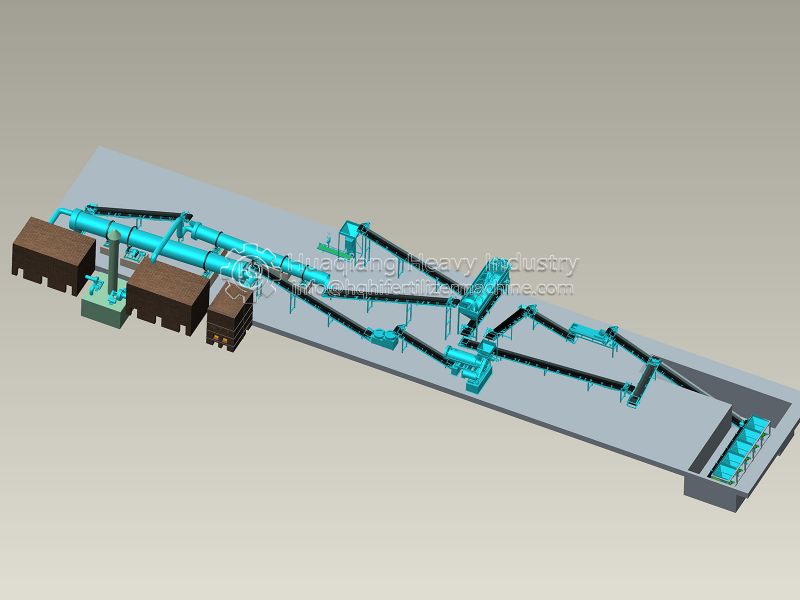
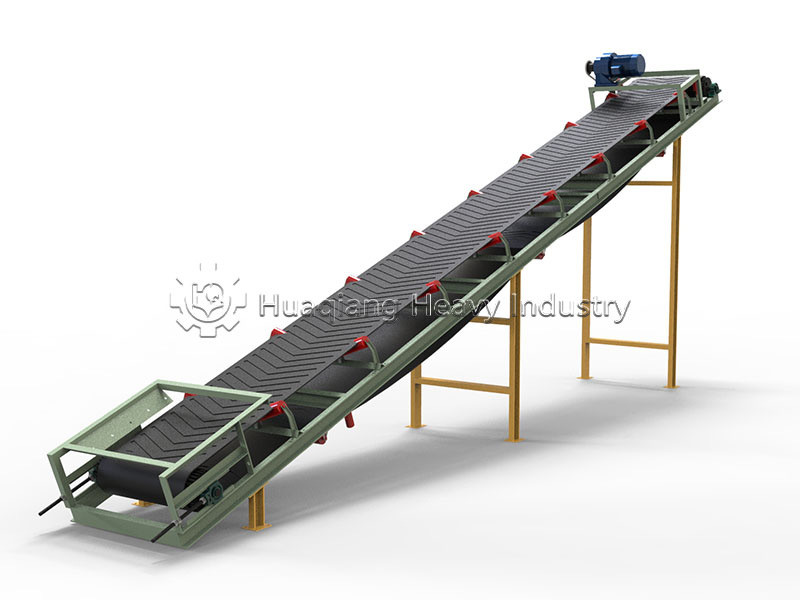
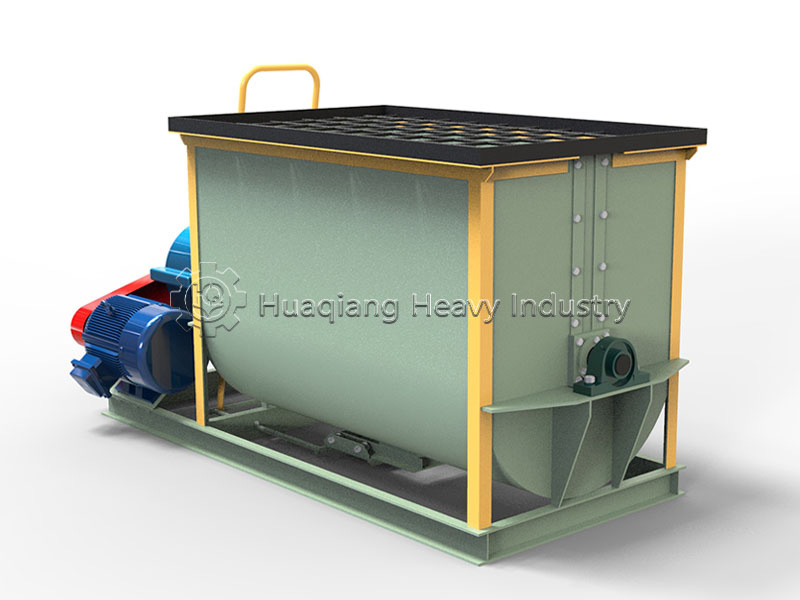
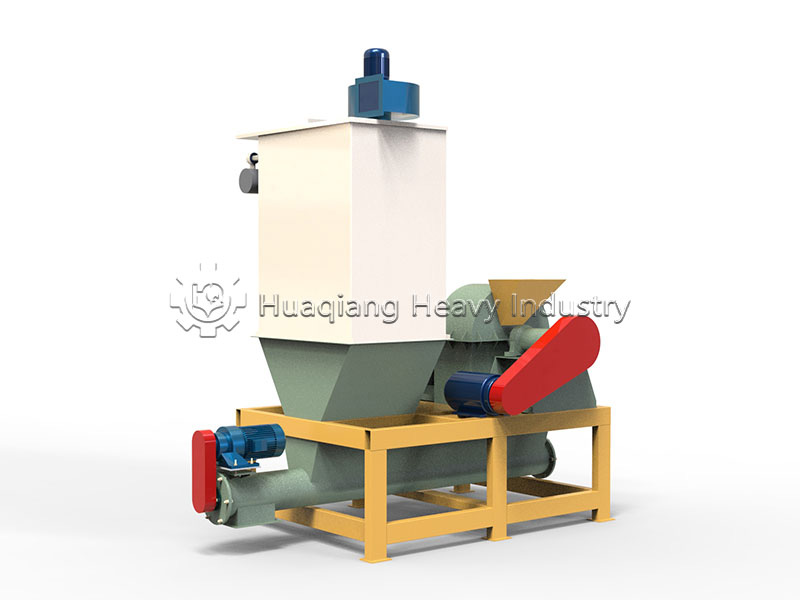
Raw material pretreatment is the foundational step. The line begins by screening and sorting various organic raw materials to remove impurities like stones, plastic, and metal, ensuring material purity. Next, large materials—such as stalks, branches, and manure clumps—are crushed into uniform, fine particles to boost subsequent fermentation efficiency. Then, the material mix is adjusted: the carbon-to-nitrogen (C/N) ratio, moisture content, and pH level are regulated according to standards, and specialized composting microbial agents are added. Thorough mixing creates optimal conditions for aerobic fermentation.
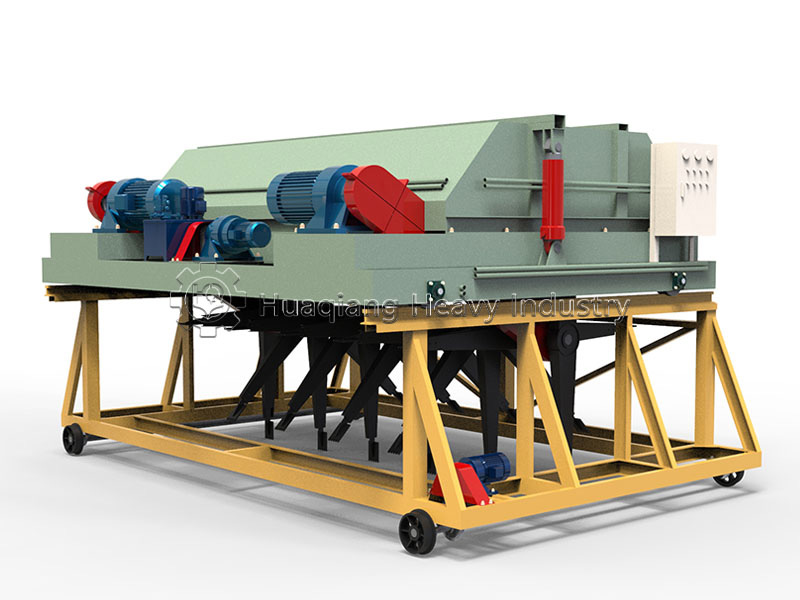
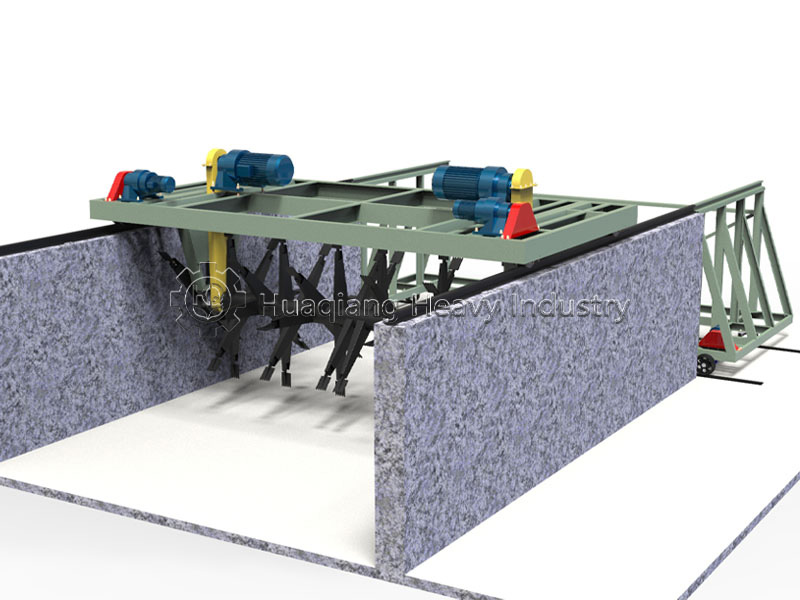
High-temperature composting/fermentation is the core stage of production. The mixed materials are transported to the fermentation workshop and stacked into orderly piles for aerobic decomposition. Temperature is strictly controlled, maintaining the pile at 50°C–65°C. A compost turner periodically turns the piles to replenish oxygen, dissipate excess heat, and evaporate surplus moisture. This high-temperature environment effectively kills pathogens, insect eggs, and weed seeds in the raw materials, ensuring harmless processing. The standard fermentation cycle lasts 30–40 days; composting is complete when the pile cools naturally, the material texture becomes loose, and no foul odor remains.
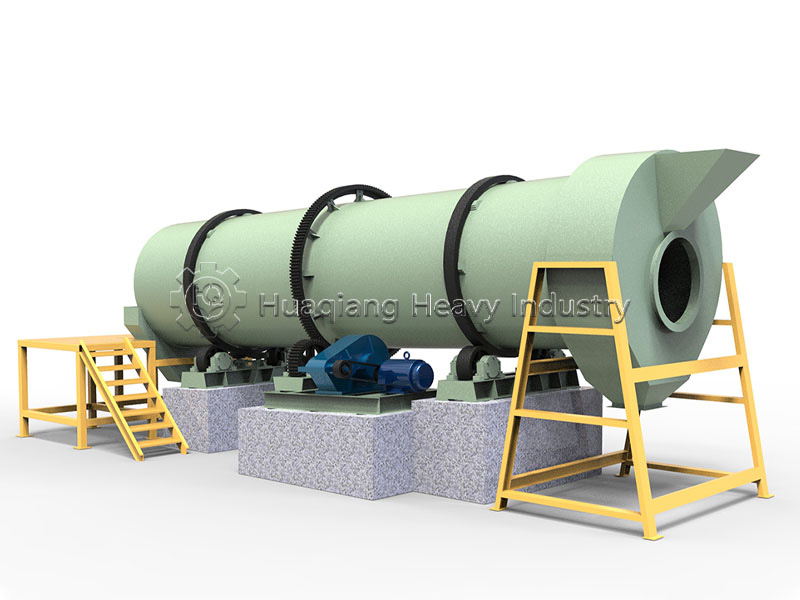
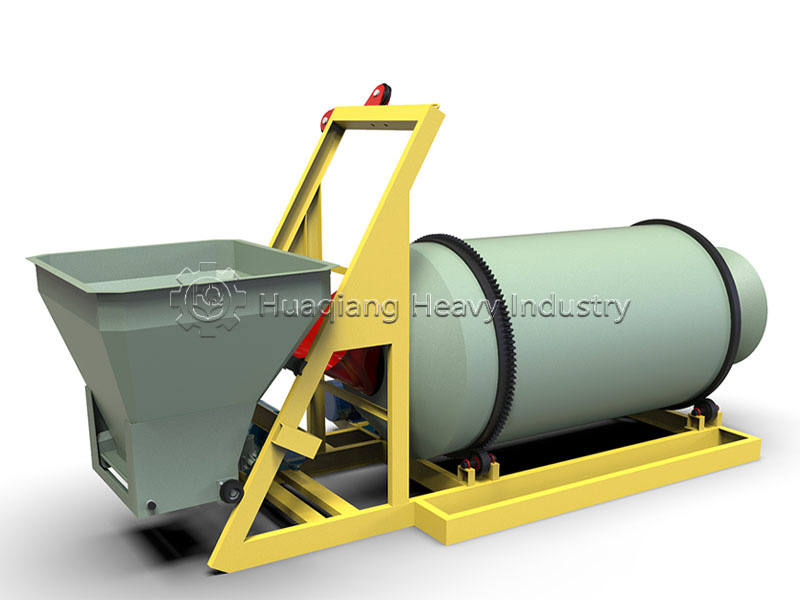
The composted material then enters the fine processing stage. First, it passes through screening equipment to remove large, incompletely decomposed chunks. The screened, qualified material can then be further ground or refined as needed to ensure uniform, fine fertilizer granules. To produce granular organic fertilizer, the material must be processed using a new type organic fertilizer granulator, followed by drying and cooling stages to stabilize the product's properties, thereby extending its shelf life and enhancing its performance.
The final step involves packaging and warehousing the finished product. Once the processed organic fertilizer passes quality inspection, it undergoes quantitative filling, sealing, and coding via automated equipment before being neatly packaged and stored. The production line features seamless process integration and standardized operations, ensuring consistent nutrient levels and high product quality; this not only enables the resource utilization of organic waste but also provides a reliable supply of high-quality fertilizer for the development of ecological agriculture.



.jpg)