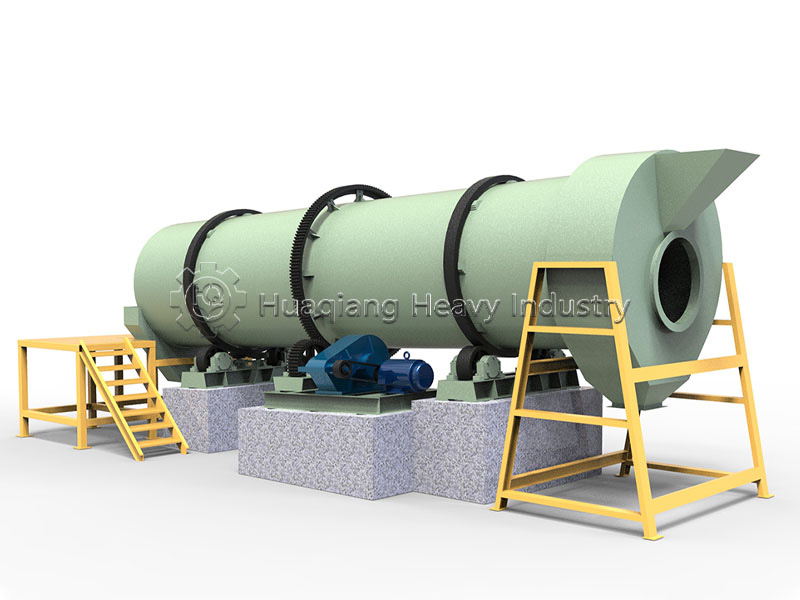
Urban kitchen waste and municipal sludge are common types of organic solid waste; they are generated in large quantities, are highly perishable, and present significant processing challenges. Many wonder whether standard organic fertilizer production lines can handle these materials. The answer is yes; with process adaptations and optimized pre-treatment, these lines can transform kitchen waste and sludge into high-quality organic fertilizer through harmless disposal and resource recovery—aligning perfectly with the principles of circular economy and environmental sustainability.
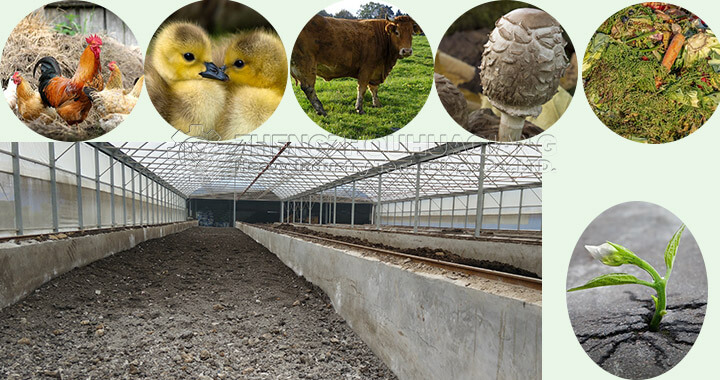
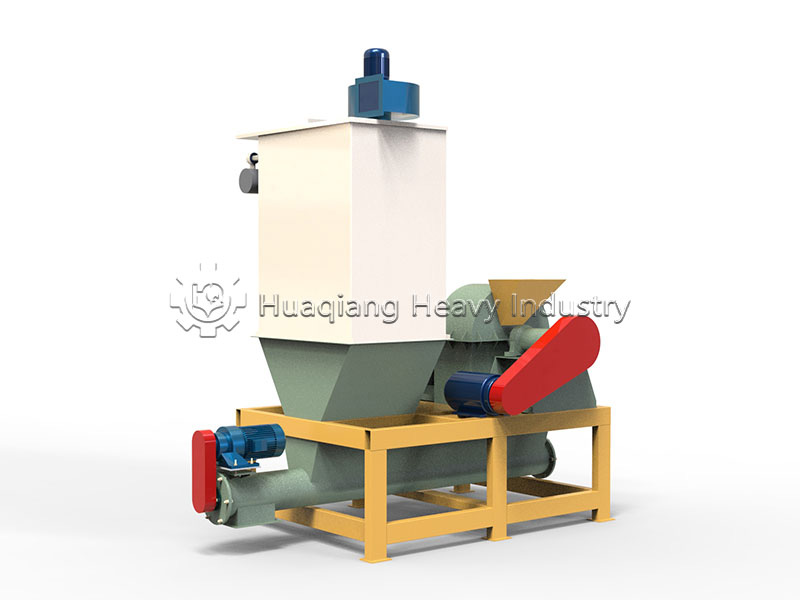
Kitchen waste and sludge are rich in organic matter and nutrients such as nitrogen, phosphorus, and potassium, making them excellent raw materials for organic fertilizer production. However, due to their high moisture content, susceptibility to mold, and presence of impurities, they cannot be processed directly and require specific pre-treatment steps. Kitchen waste must first undergo sorting to remove non-biodegradable items like plastics and tableware, followed by crushing and homogenization (pulping). Municipal sludge requires dewatering and viscosity reduction to lower its moisture content, thereby preparing it for the subsequent fermentation stage.
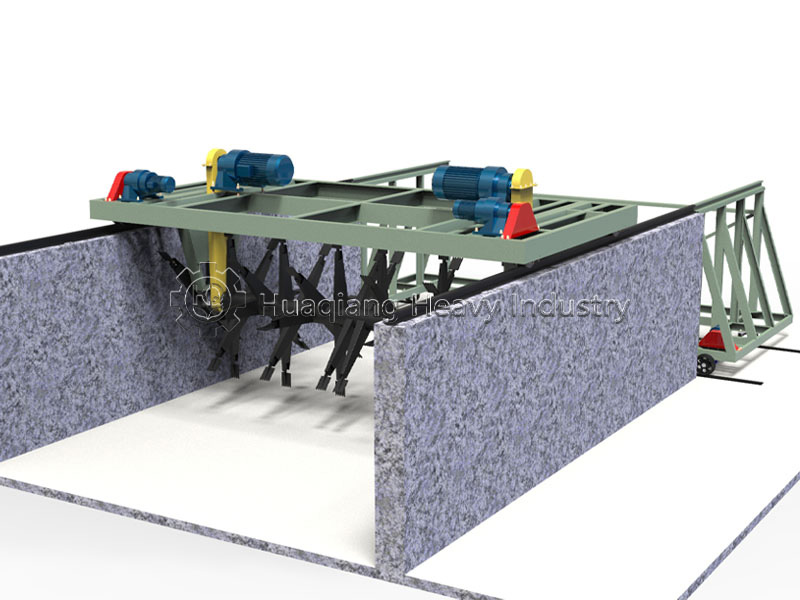
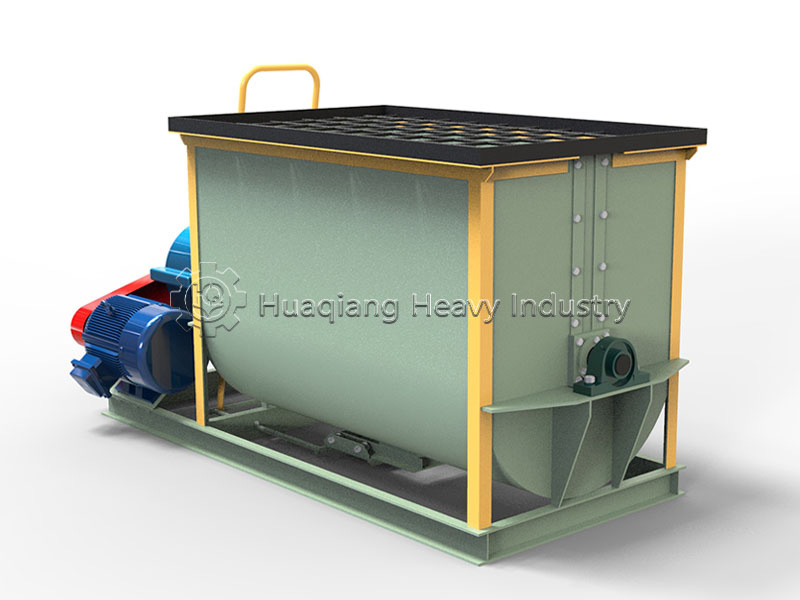
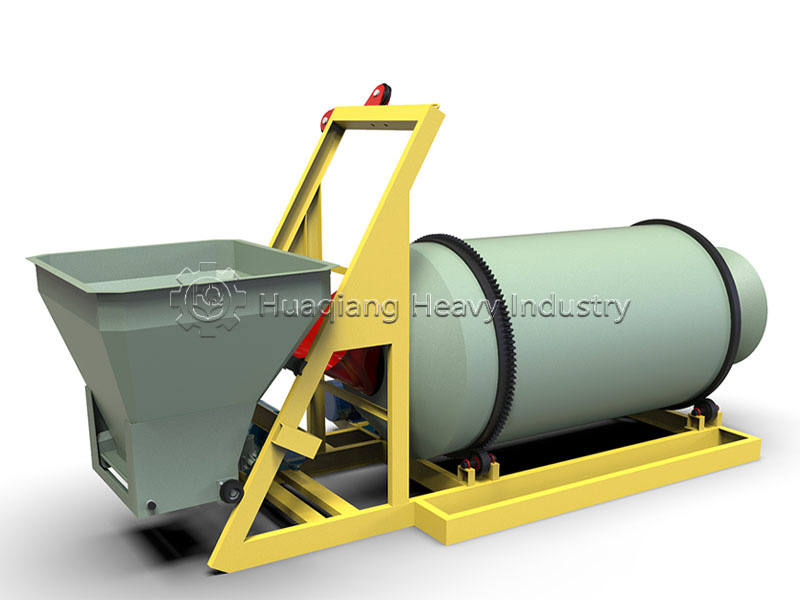
Adapted organic fertilizer production lines can process both materials using a co-composting method. Typically, kitchen waste and sludge are mixed in appropriate proportions with bulking agents—such as straw or wood chips—to adjust the carbon-to-nitrogen (C/N) ratio and improve aeration before entering aerobic fermentation equipment. High-temperature microbial fermentation effectively eliminates pathogens, parasite eggs, and weed seeds while breaking down harmful substances, ensuring the waste is rendered harmless. Subsequent standardized processes—including crushing, screening, microbial inoculation, granulation, and packaging—yield a final product that meets national standards for bio-organic fertilizer.
Compared to traditional disposal methods like landfilling and incineration, this processing model offers significant advantages. On one hand, this process achieves solid waste reduction, significantly curbing land occupation and pollution of soil and water bodies caused by waste accumulation and landfilling. On the other hand, it transforms waste into a valuable resource; the resulting organic fertilizer—characterized by a loose texture and balanced nutrients—is suitable for landscaping and agriculture, helping to alleviate soil compaction and enhance soil fertility. Furthermore, the production line features a high degree of automation and supports continuous operation, making it well-suited for the centralized processing of urban solid waste.
It is essential to strictly control material ratios, fermentation temperatures, and processing durations, while rigorously monitoring levels of heavy metals and harmful residues to ensure fertilizer quality. In summary, this organic fertilizer production line not only efficiently processes kitchen waste and sludge but also completes the closed-loop cycle of organic solid waste resource utilization, offering a green solution that balances ecological and economic benefits.



.jpg)