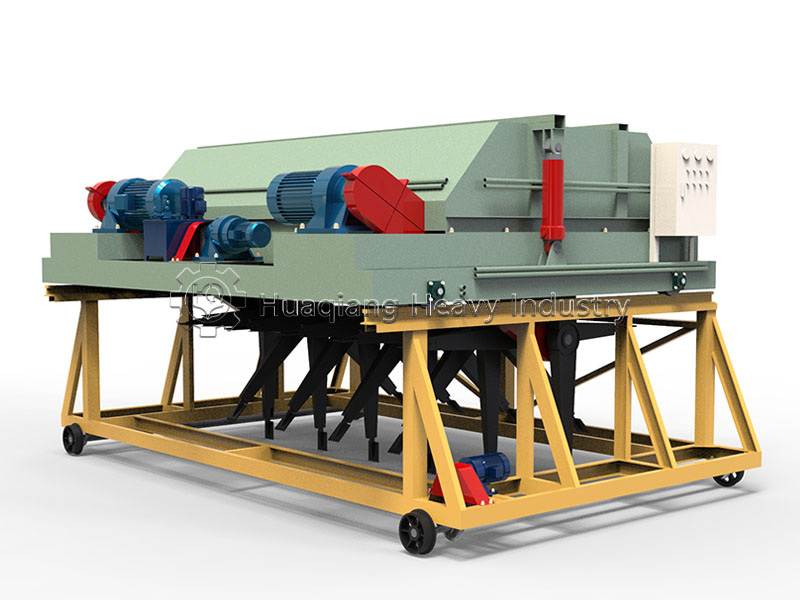
An organic fertilizer compost turner is the core piece of equipment in the fermentation and production of organic fertilizer. It is a critical tool for the resource utilization of organic waste—such as livestock manure, crop straw, and food waste—directly determining the effectiveness of the fermentation/decomposition process, the quality of the final fertilizer, and overall production efficiency. It plays an indispensable role in any organic fertilizer production line.

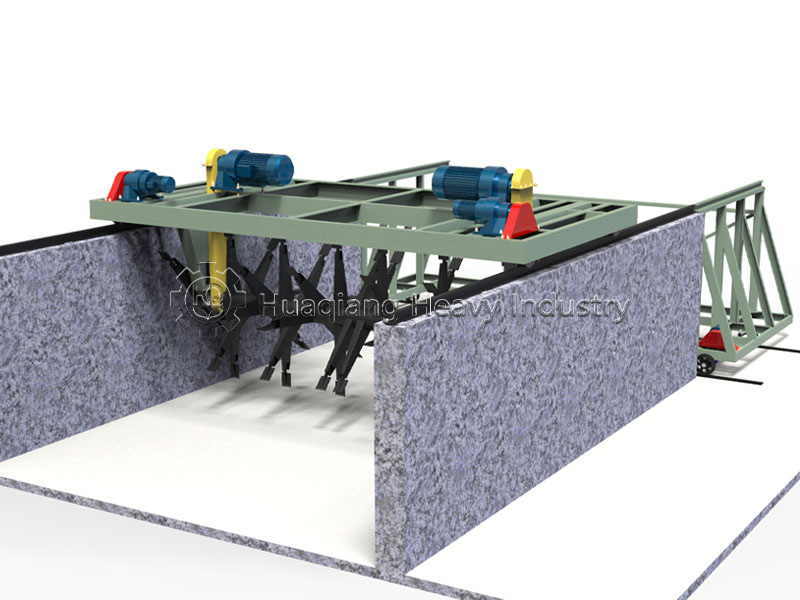
The primary function of a compost turner is to supply oxygen, thereby facilitating aerobic fermentation. When organic material is piled up, it tends to become compacted, creating an oxygen-deprived (anaerobic) environment internally. Anaerobic fermentation is not only slow but also produces pungent, foul odors. By using a rotating toothed roller to break up and toss the material, the turner allows air to fully penetrate the pile. This provides oxygen to aerobic microorganisms, activates the decomposition activity of beneficial bacteria, ensures the stable breakdown of organic matter, and eliminates odors at the source, resulting in a clean composting process.
Furthermore, the turner regulates the temperature and moisture content of the compost pile, ensuring the material is rendered harmless. Aerobic fermentation generates high temperatures; the turning process dissipates excess heat, preventing temperatures from rising so high that they kill off beneficial microorganisms. Simultaneously, it moves material from the bottom to the surface, ensuring the entire pile is heated evenly and maintained at an optimal fermentation temperature of 55–65°C. This high-temperature phase effectively destroys parasite eggs, pathogens, and weed seeds present in manure, meeting safety and sanitation standards. The turning process also accelerates moisture evaporation, keeping the moisture content within the ideal range for fermentation and ensuring the process continues efficiently.
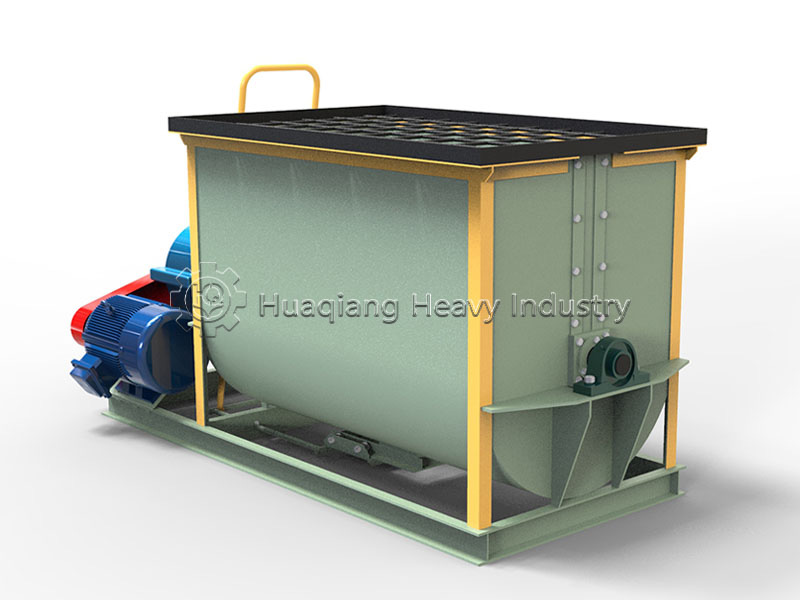
Another key function of the organic fertilizer compost turner is the thorough mixing of materials. It blends livestock manure, straw, fermentation microbial inoculants, and other additives, preventing the uneven distribution of raw materials and ensuring that all parts of the pile decompose at the same rate. It also breaks up clumps, which reduces the workload for subsequent screening and granulation stages, improves the uniformity of the finished organic fertilizer, and ensures consistent nutrient content.
In addition to these benefits, an organic fertilizer compost turner significantly reduces labor costs and shortens the production cycle. Traditional manual turning of compost is labor-intensive, results in uneven mixing, and leads to long fermentation cycles. Compost turners—whether trough-style or crawler-mounted—enable continuous operation, accelerate the decomposition process, and significantly shorten the composting cycle. These machines are well-suited for large-scale organic fertilizer production, facilitating the recycling of agricultural waste and promoting the development of green agriculture.