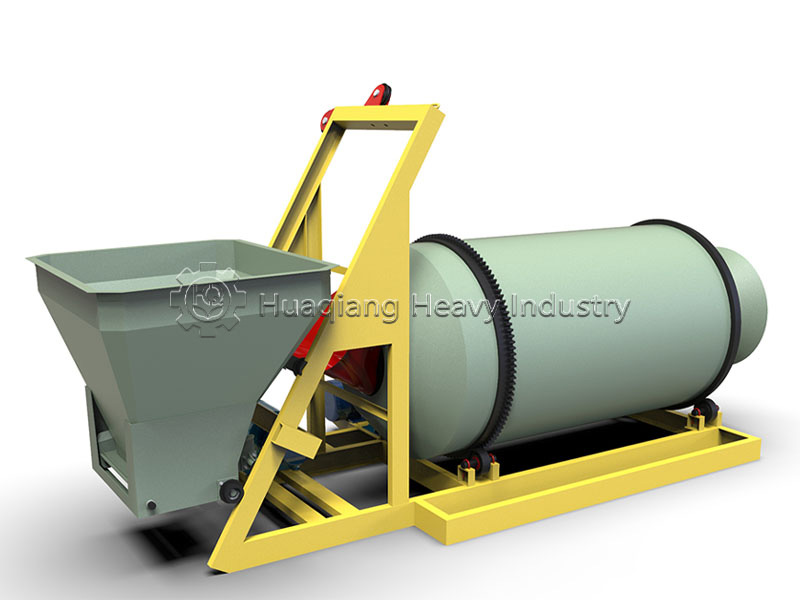
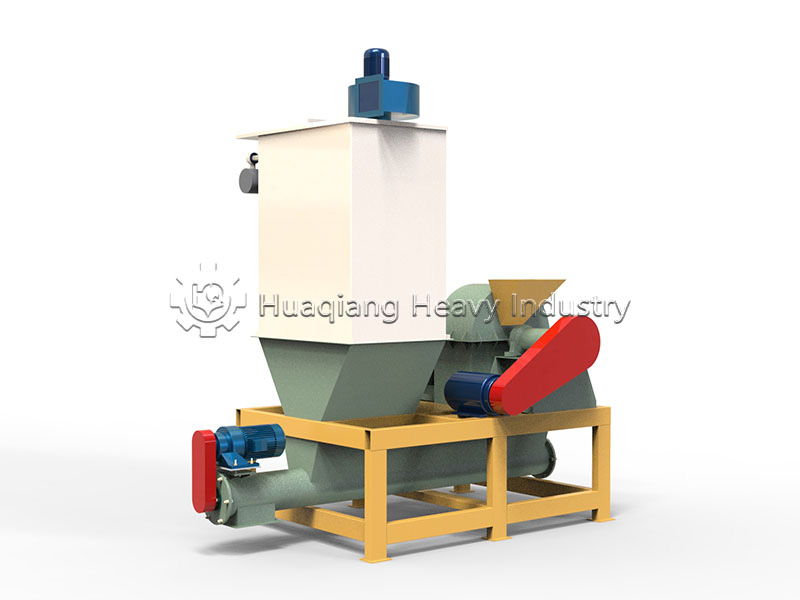
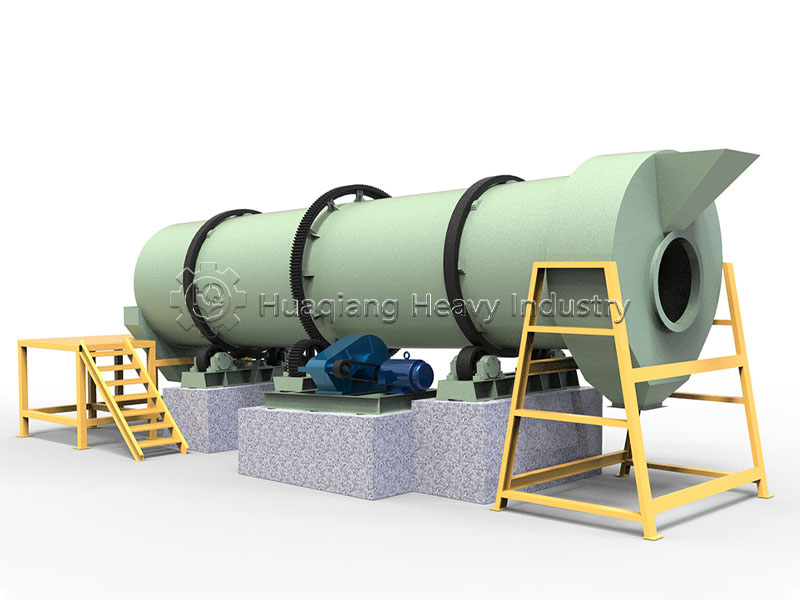
The long-term, heavy application of chemical fertilizers often leads to soil compaction, acidification, a decline in soil fertility, and a reduction in the quality of agricultural produce. Utilizing chicken manure organic fertilizer production lines to centrally compost and safely process poultry waste—converting it into high-quality organic fertilizer—serves as an effective strategy for preserving farmland, reducing chemical fertilizer use, and establishing a circular "livestock-crop" agricultural system. This approach offers multifaceted benefits for the development of modern agriculture.
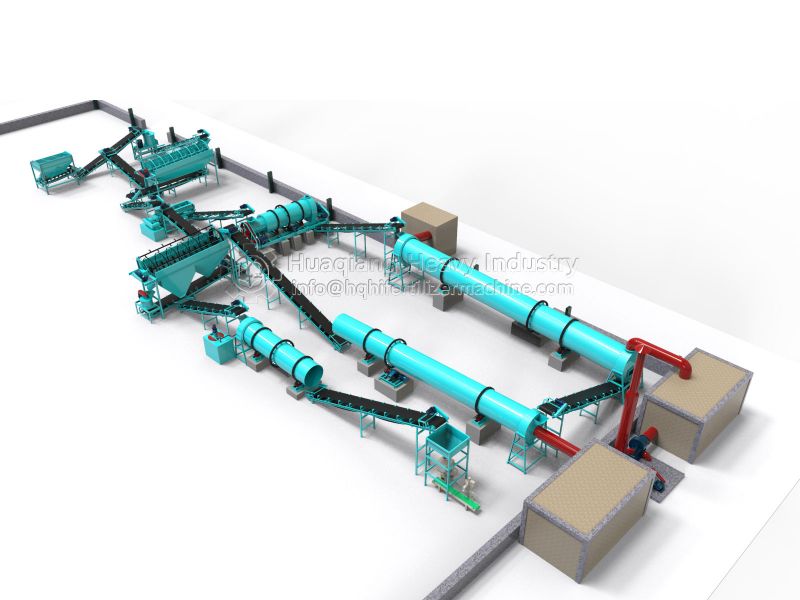
Through high-temperature fermentation in these production lines, chicken manure is processed to completely eliminate insect eggs and pathogens, removing the risks—such as "root burning" or the presence of harmful microbes—associated with raw, untreated manure. The resulting organic fertilizer is rich in organic matter, humus, nitrogen, phosphorus, and potassium, as well as various secondary and trace elements, all of which contribute to the long-term improvement of soil structure. It promotes the formation of soil aggregates, enhances soil aeration and the capacity to retain water and nutrients, and stimulates beneficial soil microorganisms. This helps to remediate soil compaction and salinization—common issues resulting from the exclusive, long-term use of chemical fertilizers—thereby continuously boosting soil fertility and ensuring that land use is balanced with land stewardship. Furthermore, the beneficial microbial communities can suppress certain soil-borne pathogens, lowering the incidence of diseases associated with continuous cropping and reducing the need for chemical pesticides.
In crop production, the nutrients in chicken manure-based organic fertilizer are released gradually and consistently. Unlike chemical fertilizers, which act quickly but lack sustained efficacy, this organic fertilizer provides a balanced supply of nutrients throughout the entire growth cycle of the crop. This helps prevent nutrient deficiencies and the development of malformed produce, stabilizes yields, and significantly enhances the quality of agricultural products. Fruits become sweeter, vegetables develop richer flavors, and grain kernels become fuller. This aligns with the production standards for "green" and pollution-free agricultural products, helping farmers improve their market competitiveness and expand their income streams.
Ultimately, this production model completes a circular chain that integrates livestock farming, fertilizer production, and crop cultivation. Chicken manure, typically a pollutant on farms, can easily contaminate water sources and emit foul odors if left in haphazard piles. Through specialized processing, however, it is transformed from waste into a valuable resource. This process mitigates agricultural non-point source pollution caused by manure runoff, supports policies aimed at reducing chemical fertilizer use while enhancing efficiency, lowers input costs for crop cultivation, and drives the transition toward a low-carbon, green agricultural sector.
In short, chicken manure organic fertilizer production lines not only resolve the challenge of managing livestock waste but also serve to restore soil health, improve crop quality and yields, and safeguard the agricultural ecosystem. They are a vital instrument for ensuring the sustainable use of farmland and fostering high-quality agricultural development.