Chicken manure is rich in nutrients, but in its fresh state, it contains parasite eggs and pathogens; direct application can burn plant roots and contaminate the soil, so it must undergo harmless treatment and be processed into organic fertilizer. A complete chicken manure organic fertilizer production line involves stages such as pre-treatment, fermentation, crushing, screening, granulation, drying and cooling, and packaging. Equipment configurations vary based on production capacity; Huaqiang Heavy Industry offers one-stop solutions covering equipment design, installation, and commissioning.
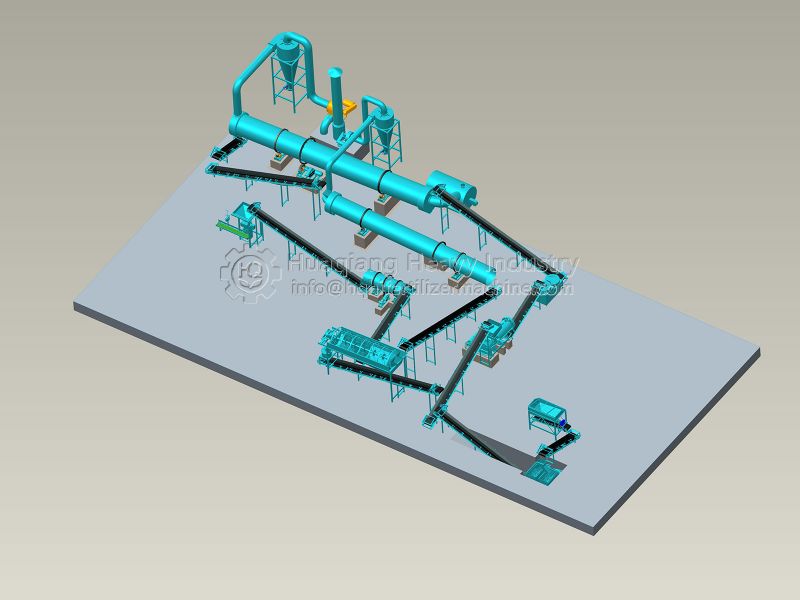
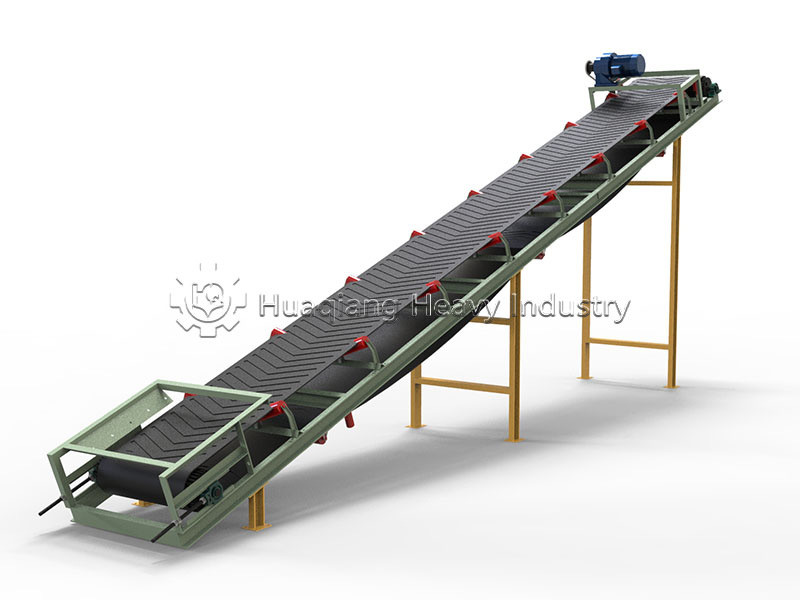
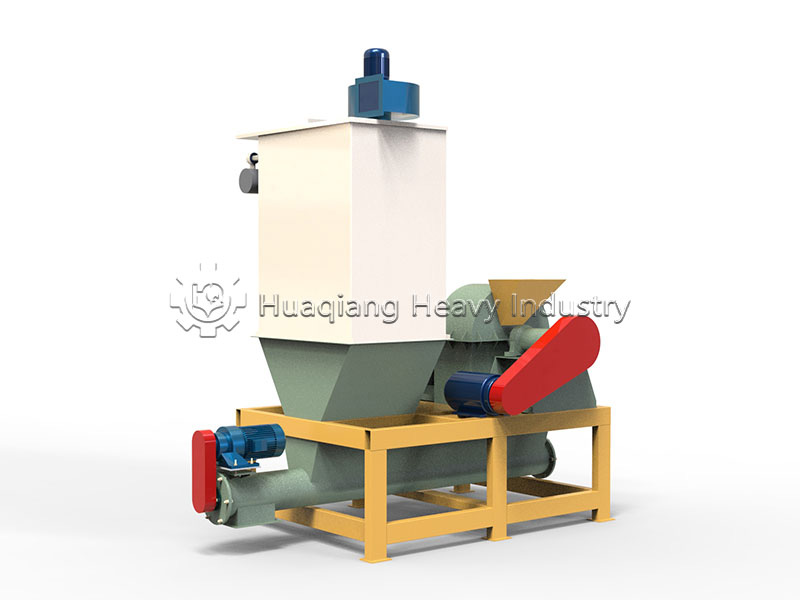
First is the pre-treatment equipment, centered on the chicken manure dewatering machine. Fresh chicken manure typically has a moisture content of 70%–80%, making it unsuitable for direct composting. The dewatering machine uses compression to reduce moisture to around 55%, meeting fermentation requirements, saving space at the fermentation site, and reducing the load on subsequent processing stages. Auxiliary equipment, such as raw material conveyors, is also used to transport the manure to the fermentation workshop.
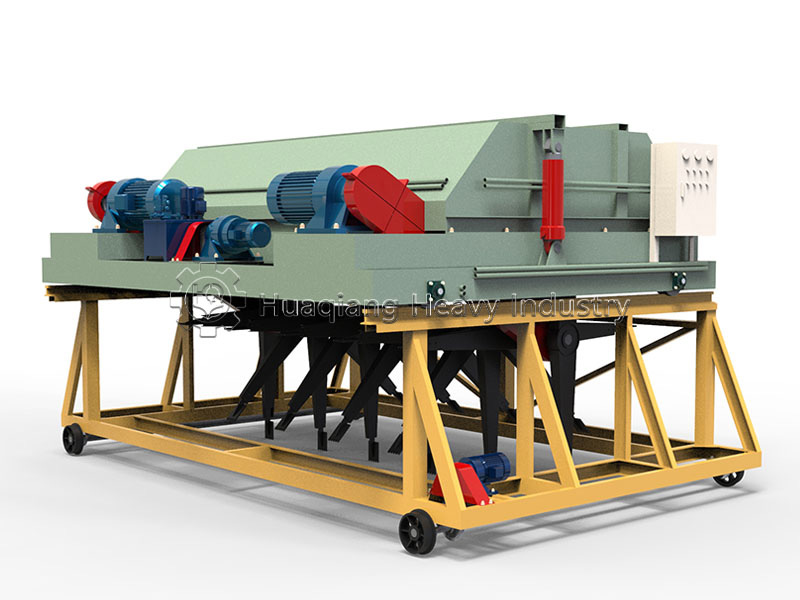
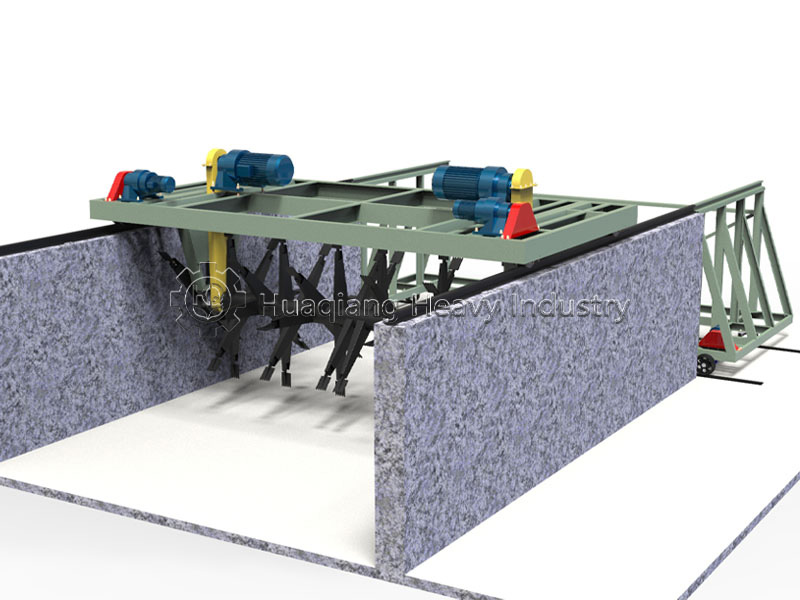
Next is the fermentation and decomposition equipment; trough-type compost turners are commonly used and serve as the core machinery for the harmless treatment of chicken manure. These turners continuously mix the material to increase oxygen supply and accelerate high-temperature fermentation, thereby killing pathogens, parasite eggs, and weed seeds, while also eliminating odors and ensuring decomposition. For smaller projects, wheel-type turners are an option; they require lower investment and are suitable for farms with limited space.
Once decomposed, the material requires crushing, with chain crushers being the most common choice. Fermented chicken manure tends to clump; the crusher breaks down these large lumps to ensure a fine, uniform powder, laying the groundwork for subsequent screening or granulation. This equipment is wear-resistant and resistant to jamming by impurities, making it ideal for raw materials like chicken manure that often contain debris.
A drum screener is used for the screening stage to classify the crushed material. It separates out large debris, allowing qualified fine material to proceed to the next step, while oversized material can be returned to the crusher for reprocessing, ensuring the purity of the final organic fertilizer product.
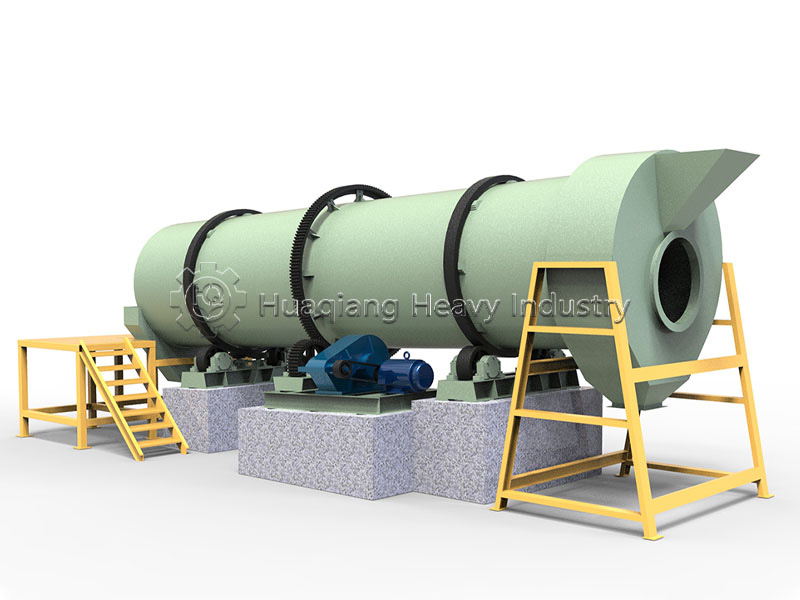
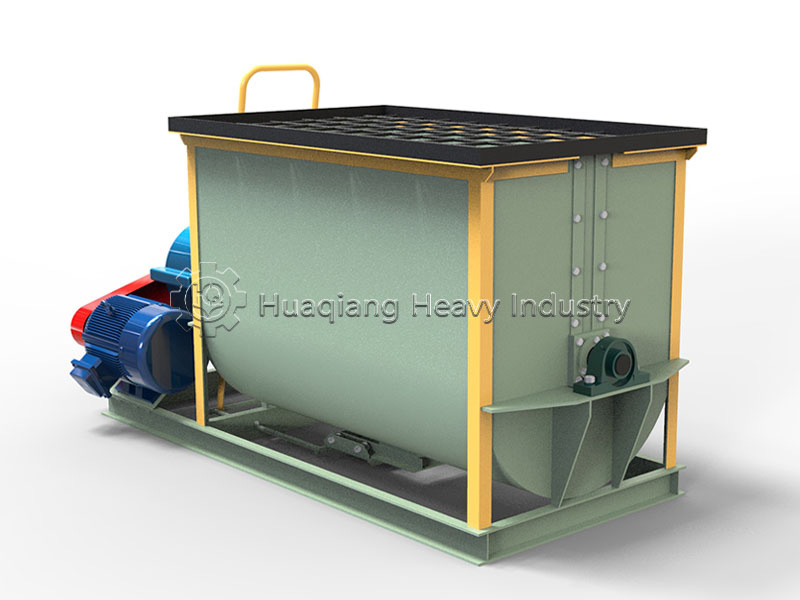
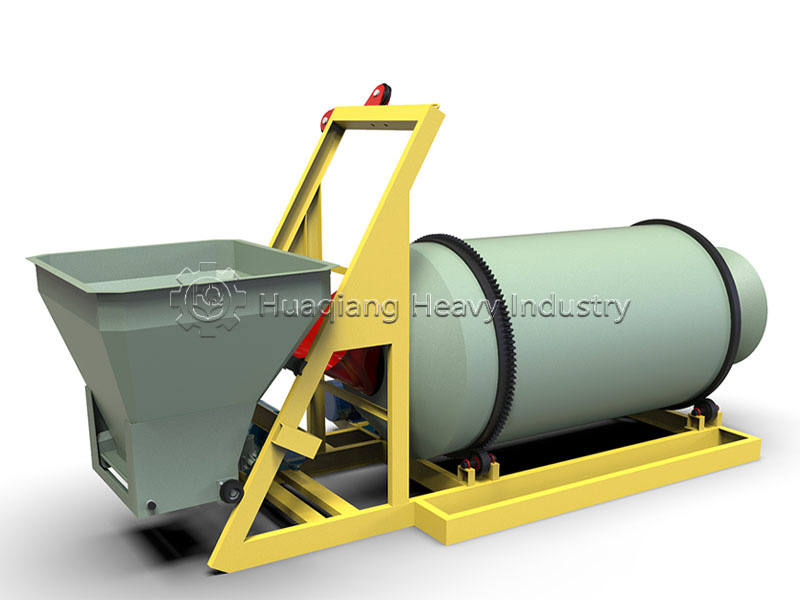
If producing granular organic fertilizer, granulation equipment is required; options include disc granulators, rotary drum granulators, and new type organic fertilizer granulators. the disc granulator produces well-formed, rounded granules. Post-granulation equipment—such as dryers and coolers—is used to reduce moisture content and prevent the granules from clumping during storage.
Finally, an automatic packaging machine handles the quantitative bagging and sealing of the finished organic fertilizer, enabling automated packaging and reducing labor costs.
Equipment selection depends on factors such as the daily volume of chicken manure to be processed, site conditions, the budget, and whether the final product is to be powdered or granular organic fertilizer. Small-scale farms can set up simple production lines for powdered organic fertilizer with minimal equipment investment, whereas large-scale processing plants are advised to install complete granulation lines, as the granular product commands a higher market price. A well-configured setup of chicken manure organic fertilizer production equipment not only addresses the challenge of livestock and poultry manure pollution but also transforms waste into high-quality organic fertilizer, enabling resource recycling.



.jpg)