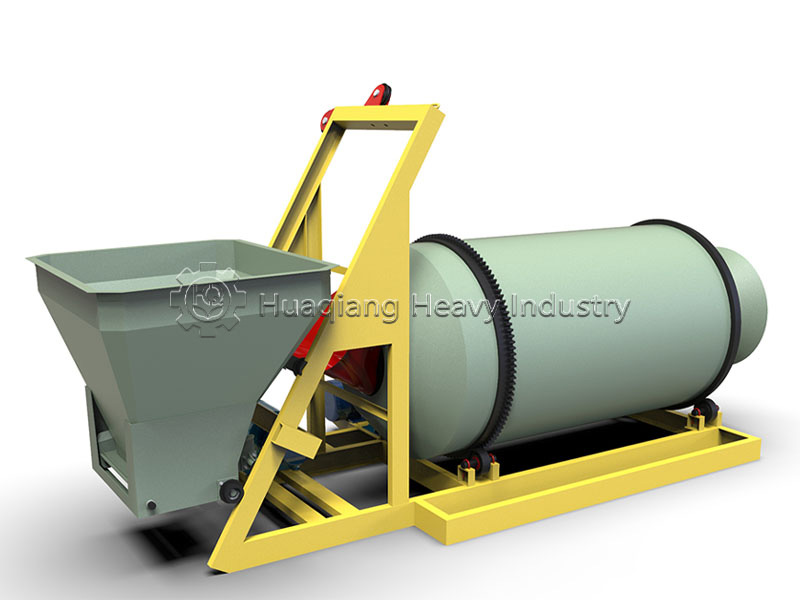
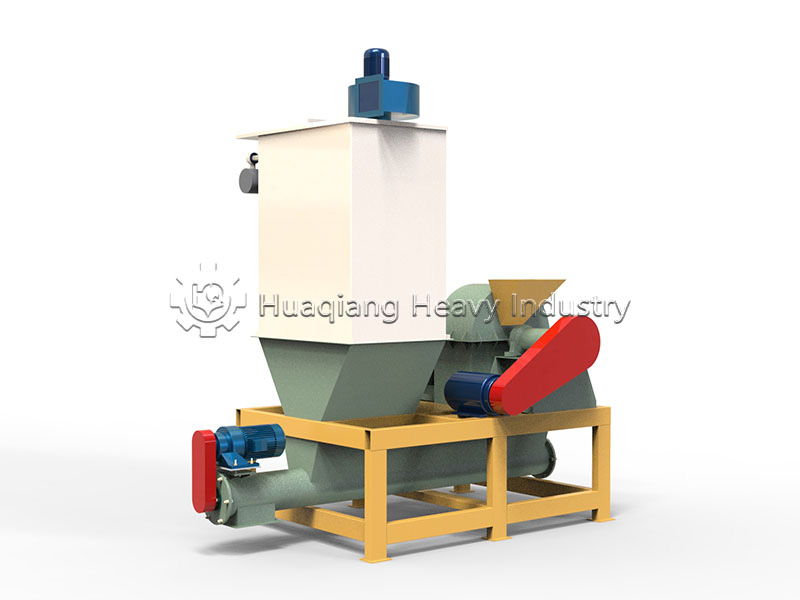
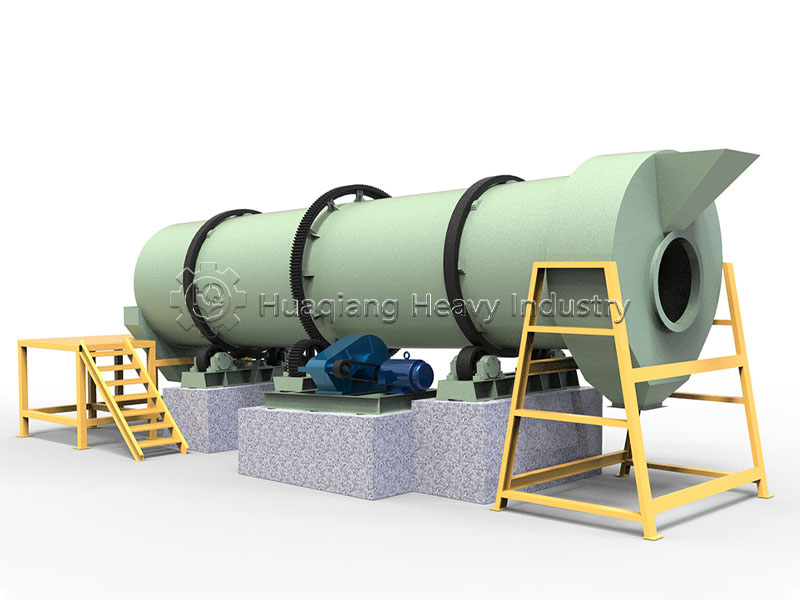
With the continuous development of ecological agriculture and the rising market demand for organic fertilizer, the resource utilization of waste—such as livestock and poultry manure, crop straw, and fungal residue—relies on a complete set of organic fertilizer production equipment. A comprehensive production line is structured around four key stages: raw material pre-treatment, fermentation and composting, granulation, and post-processing/packaging. Each stage utilizes specialized equipment to enable large-scale, environmentally safe production.
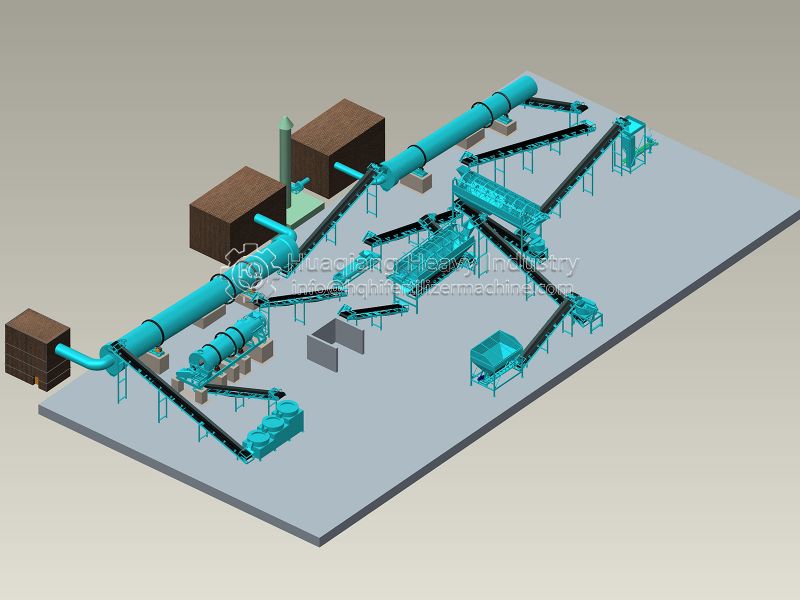
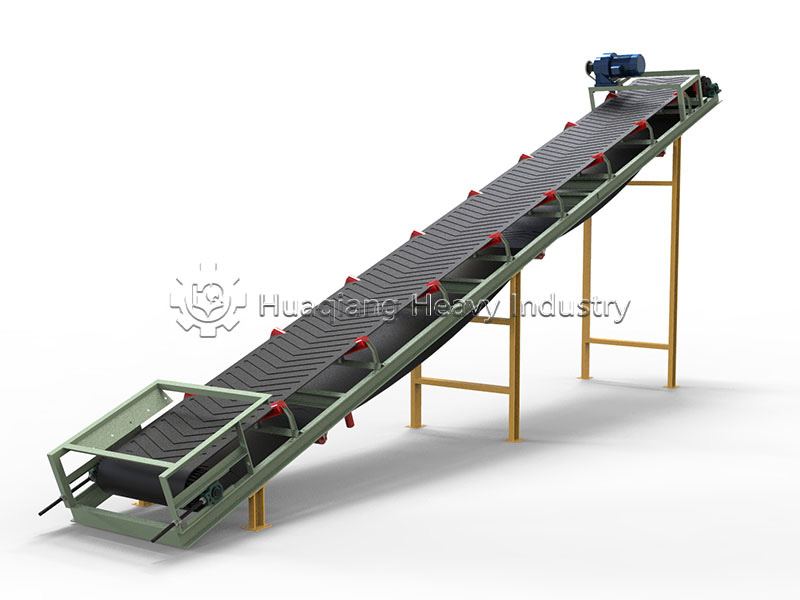
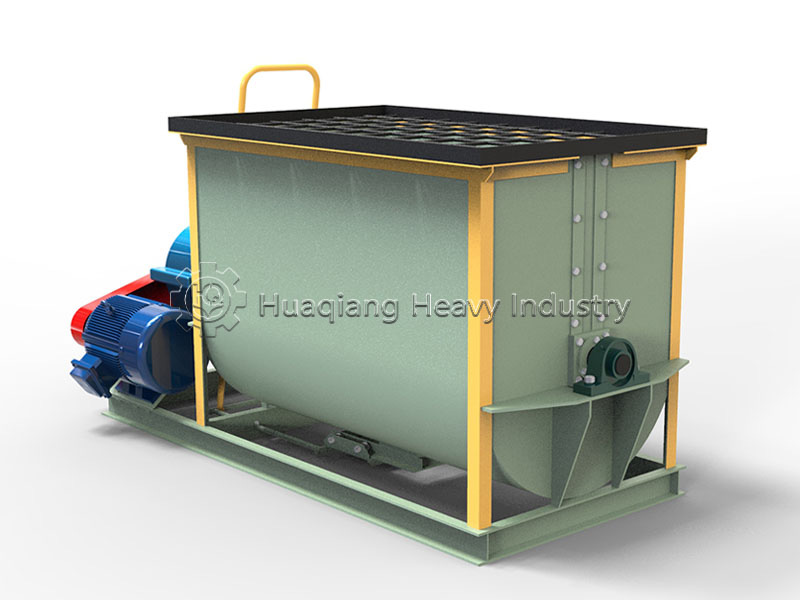
Raw material pre-treatment serves as the foundation of the process, typically involving crushers, batching systems, and mixers. Semi-wet material crushers are designed to handle high-moisture manure and compacted compost, breaking down large clumps to achieve an optimal particle size and improve aeration. Automated batching system allow for the precise proportioning of ingredients—such as manure, straw, and microbial agents—according to specific formulas. Twin-shaft paddle mixers ensure thorough blending of these materials, adjusting moisture content and the carbon-to-nitrogen (C/N) ratio to create ideal conditions for subsequent fermentation. Conveying equipment links these individual units, ensuring a continuous flow of materials throughout the process.
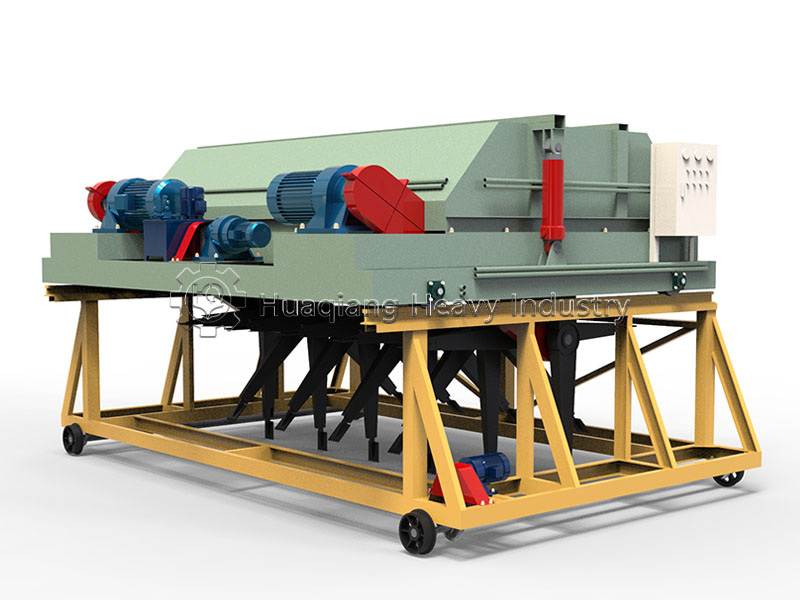
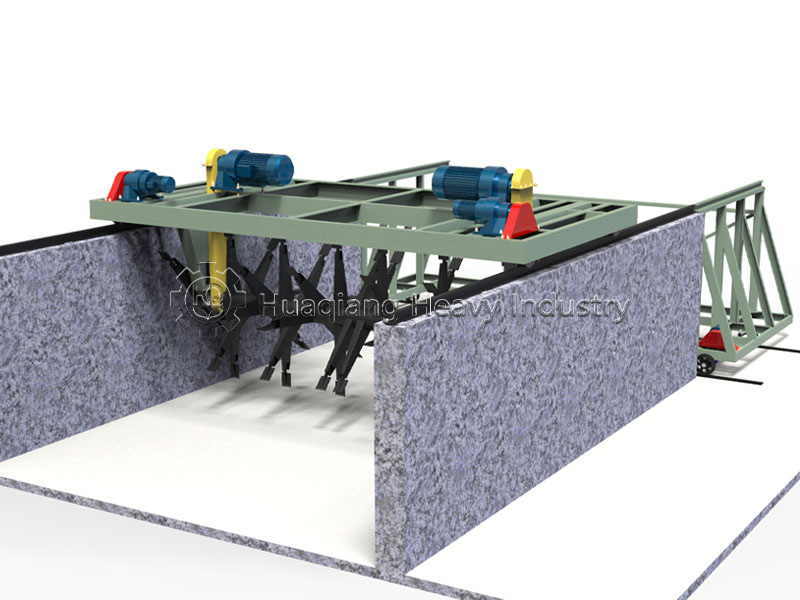
Fermentation and composting are critical to the quality of organic fertilizer, with the compost turner serving as the primary piece of equipment. Common types include trough type compost turners, crawler-type compost turners, and chain-plate compost turners. These machines periodically turn the compost pile to replenish oxygen and promote the proliferation of aerobic microorganisms. This process also facilitates heat and moisture dissipation—preventing the pile from becoming anaerobic and foul-smelling—while accelerating decomposition and eliminating insect eggs and harmful pathogens. For smaller-scale operations, enclosed fermentation tanks can be used; these require less space and are less susceptible to weather conditions.
Once decomposition is complete, the material moves to the granulation stage. Various types of granulators are available: disc granulators are easy to adjust and produce uniform, rounded granules, making them suitable for small-to-medium capacities; rotary drum granulators offer high throughput, ideal for large-scale facilities;stirring-tooth granulators are well-suited for high-moisture organic raw materials; and flat-die extrusion granulators operate at ambient temperatures with a streamlined process. Following granulation, the product passes through drum dryers and coolers to reduce moisture content, increase granule hardness, and prevent clumping. A drum screen separates out the qualified granules, while undersized fragments and oversized particles are returned for re-granulation.
The final stage involves finished-product packaging equipment: a quantitative bagging scale paired with a bag-sewing machine automatically weighs, fills, and seals the product to create standardized, ready-to-market goods. To further increase product value, a coating machine can be integrated to apply an anti-caking layer to the surface of the granules.
Organic fertilizer production lines offer flexible configurations. For instance, producing only powdered organic fertilizer eliminates the need for granulation and drying equipment, resulting in lower initial investment; conversely, a full-process setup for granular organic fertilizer yields a product that is more convenient to store and apply. Huaqiang Heavy Industry provides customized organic fertilizer equipment solutions tailored to specific site dimensions and raw material types, helping livestock and crop-farming enterprises transform waste into a resource and advance green, circular agriculture.