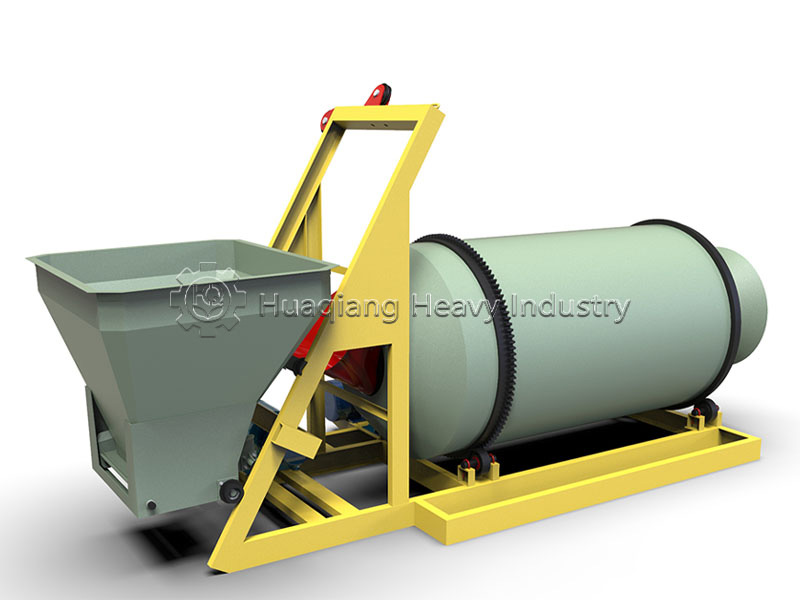
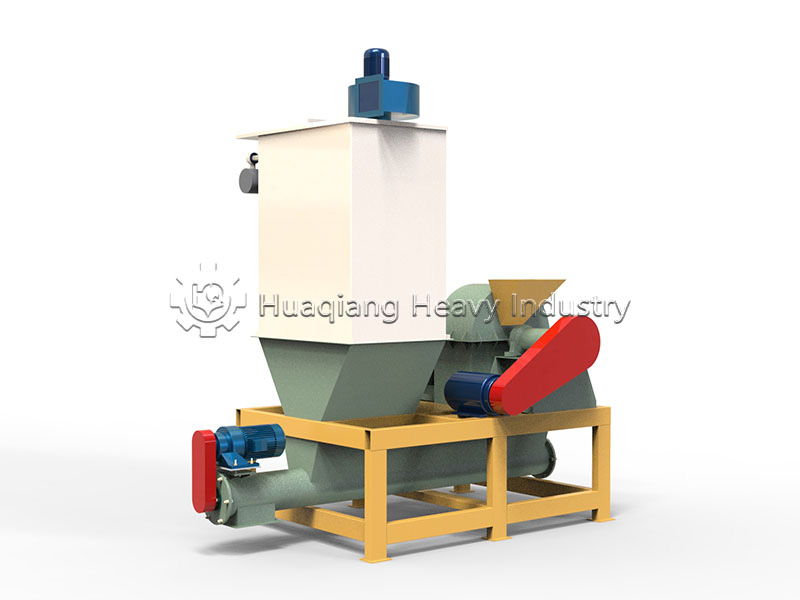
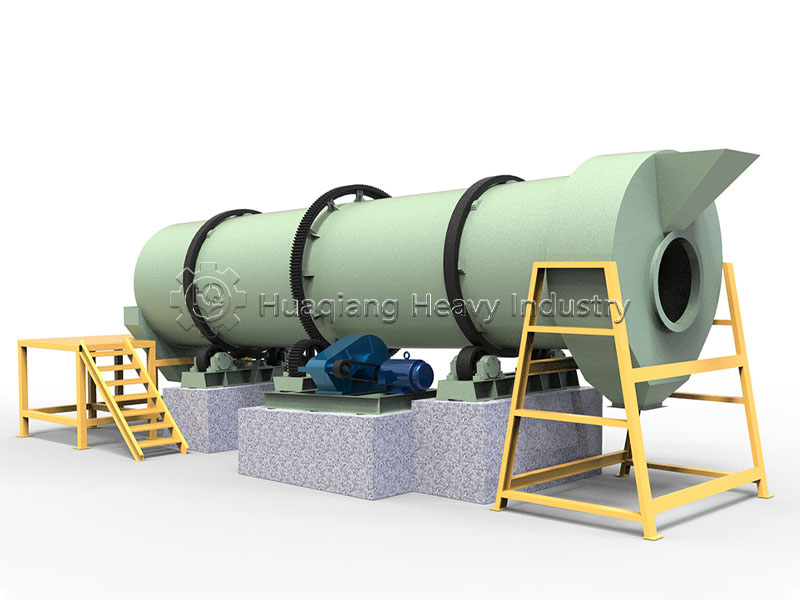
Organic fertilizer production relies on the decomposition and processing of organic waste, such as livestock and poultry manure, crop straw, and fungal residue. A stable organic fertilizer production line consists of several key modules: fermentation, pre-treatment, granulation, and post-treatment. Selecting the right core equipment is crucial for ensuring product quality, production capacity, and compliance with safety (harmlessness) standards. Huaqiang Heavy Industry provides comprehensive equipment solutions tailored to projects of various scales.
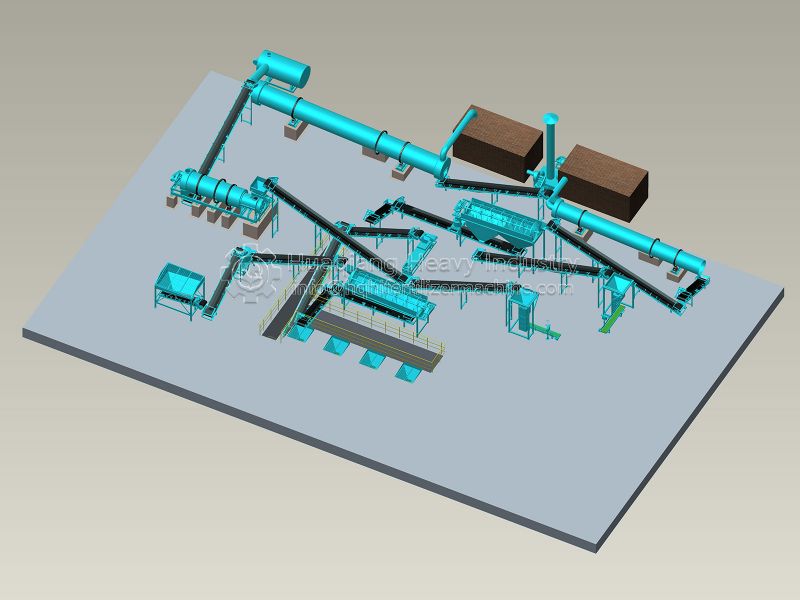
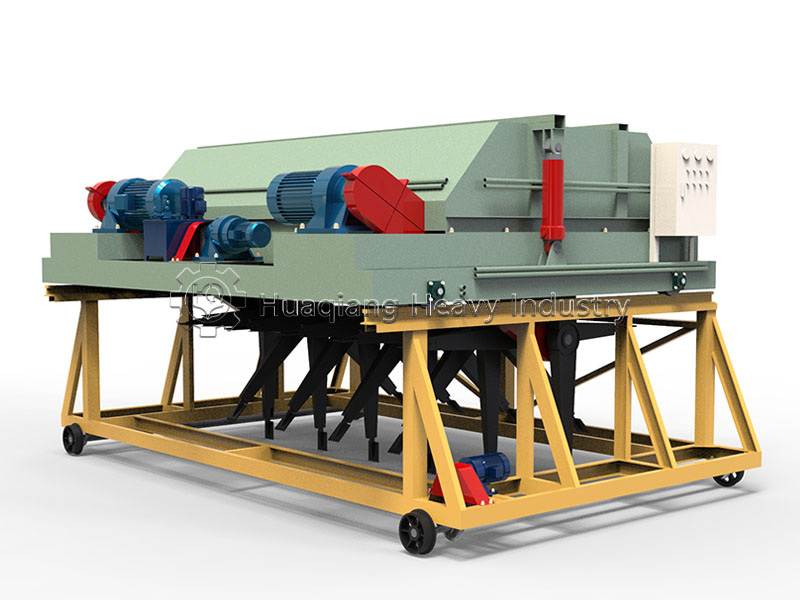
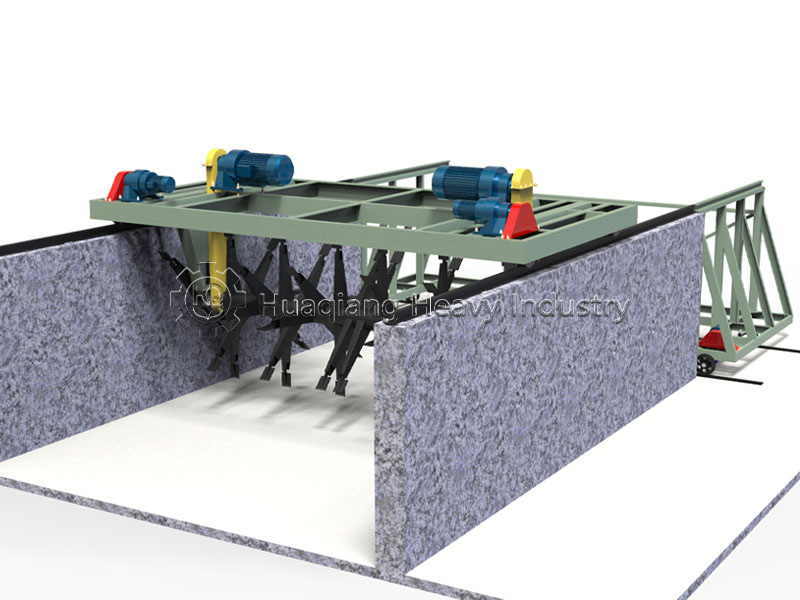
Fermentation is the most critical stage in organic fertilizer production, and the performance of the compost turning machine determines the effectiveness of the composting process. Common types include crawler-type compost turners, chain-plate compost turners, and trough-type compost turners. These machines continuously turn the compost and provide aeration, maintaining a high temperature of 55–65°C. This process eliminates insect eggs, pathogens, and weed seeds, ensuring the material is fully decomposed and rendered harmless. Crawler-type turners offer flexible site adaptability and do not require the construction of fermentation troughs, while chain-plate turners—capable of reaching greater depths—are well-suited for large-scale trough-based fermentation projects. Enterprises can select the appropriate equipment based on their specific site conditions and production capacity.
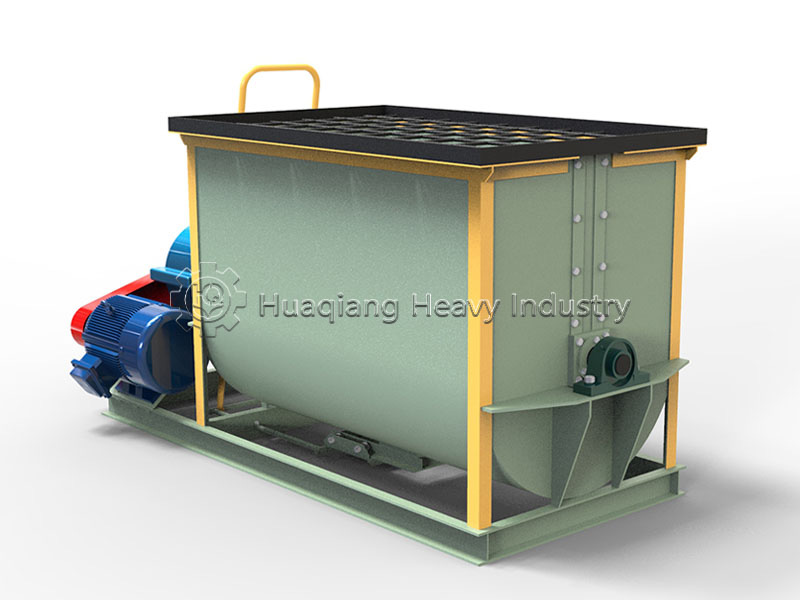
Following decomposition, the material enters the pre-treatment stage, which utilizes semi-wet material crushers and double shaft paddle mixers. Since fermented materials tend to clump, semi-wet material crushers are specifically designed to break down high-moisture organic matter, refining the particle size to prevent large chunks from interfering with the subsequent granulation process. Dual-shaft mixers ensure the thorough blending of the decomposed base material, microbial agents, and additives, allowing for precise adjustment of the carbon-to-nitrogen (C/N) ratio and moisture content. This ensures an even distribution of nutrients, laying a solid foundation for granulation.
Granulation is the defining stage in the production of granular organic fertilizer. A stirring-tooth granulator is commonly used; it is ideal for the wet granulation of organic materials containing coarse fibers, offering a stable pelletizing rate and producing uniform, rounded granules. Compared to other types of granulation equipment, the stirring-tooth granulator is highly adaptable to fermented organic fertilizer and is easy to maintain, making it an excellent choice for both small-to-medium and large-scale organic fertilizer processing plants.
Because the granules contain high moisture levels after the granulation process, they must be processed using a drum dryer and a rotary cooler. The dryer reduces the moisture content of the granules to a level suitable for storage, while the cooler rapidly lowers their temperature to prevent re-absorption of moisture and mold growth, thereby extending the shelf life of the fertilizer. Following cooling, a rotary screen classifier sorts the granules, removing fine powder and oversized clumps. The remaining, high-quality granules then proceed to the coating stage, where anti-caking agents are applied as needed.
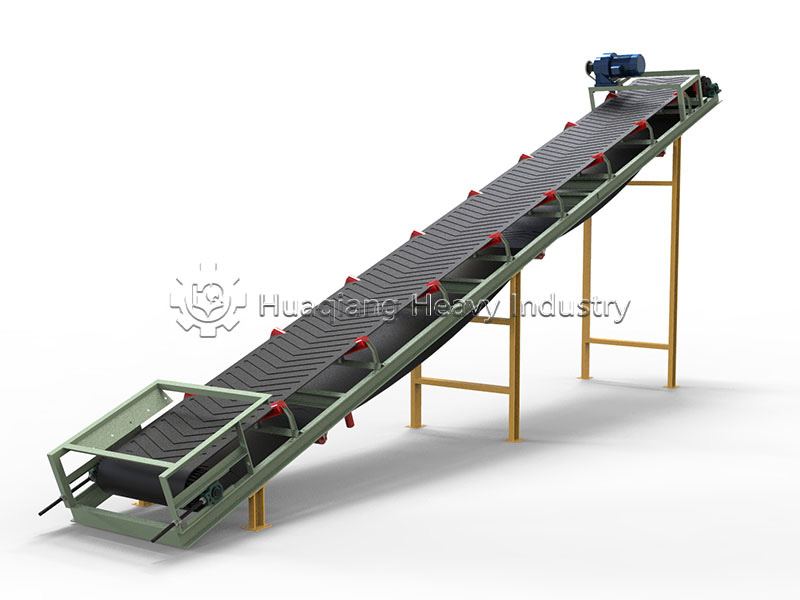
At the end of the production line, an automated packaging machine handles precise filling and sealing, preparing the product for storage and sale. Conveyor systems serve as essential auxiliary equipment, linking the various stages to enable continuous, automated production.
Overall, the configuration of an organic fertilizer production line should be planned based on the specific type of raw materials, available space, and target production capacity. While the granulation and drying units can be omitted for powdered organic fertilizer, the production of granular organic fertilizer requires a complete suite of forming and post-processing equipment. A well-optimized selection of core equipment not only lowers operational and maintenance costs but also ensures a stable output of commercial organic fertilizer that meets industry standards—ultimately facilitating the recycling and resource utilization of livestock and poultry waste.