With the continuous development of green agriculture and the growing demand for the resource utilization of waste materials—such as livestock manure and crop straw—establishing new organic fertilizer plants has become a popular choice for investors. A complete organic fertilizer production line comprises equipment configured for four main stages: raw material pretreatment, fermentation and composting, granulation, and finished product packaging. Huaqiang Heavy Industry offers one-stop services, flexibly configuring production lines for either powdered or granular organic fertilizer based on required production capacity.
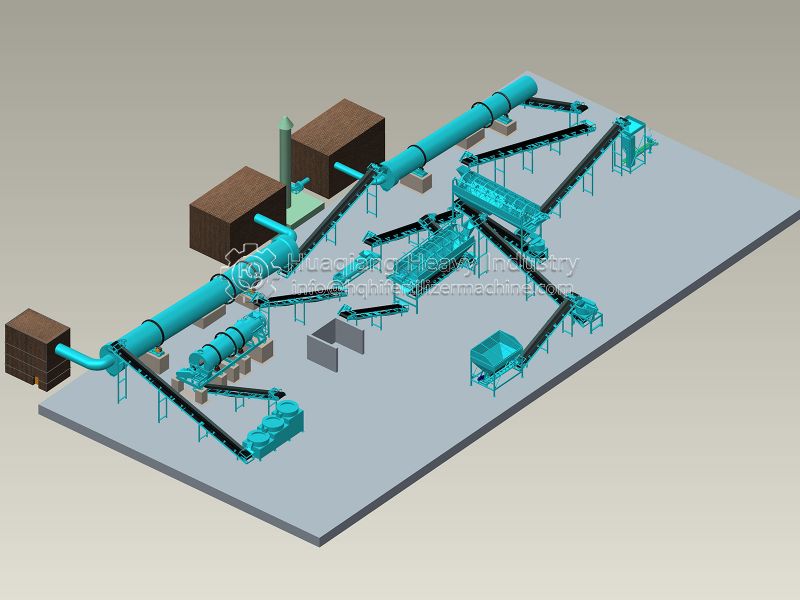
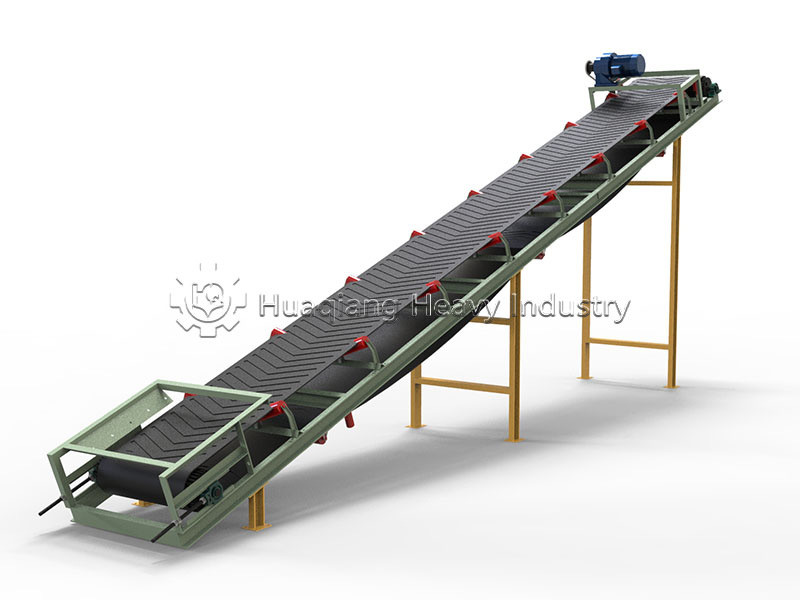
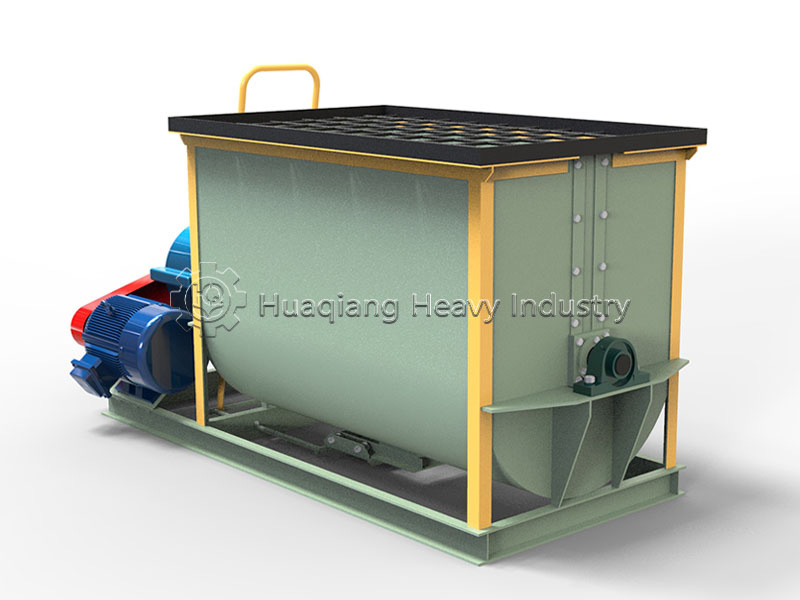
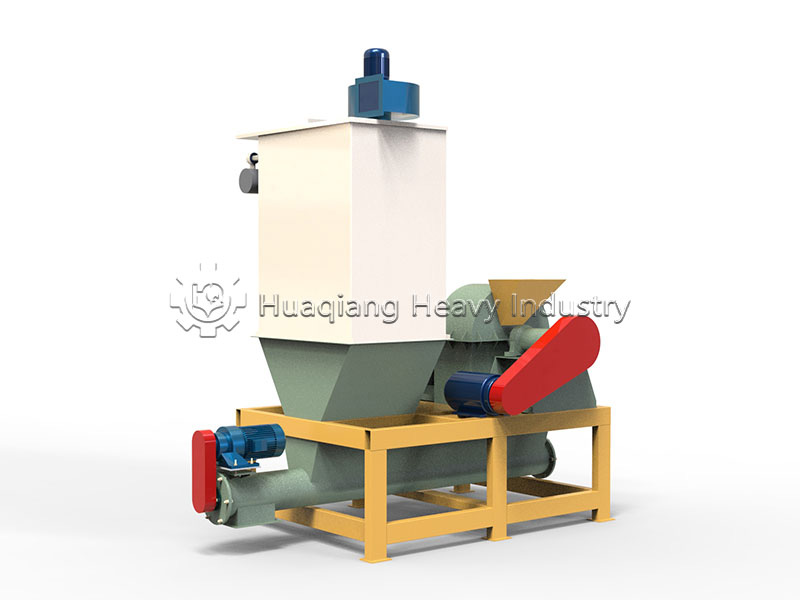
Raw material pretreatment is the initial stage of production. Raw materials—typically cow manure, chicken manure, straw, and spent mushroom substrate—often have high moisture content and form large clumps. Semi-wet material crushers break down large lumps, while straw crushers chop auxiliary materials; horizontal mixers are used to blend manure, straw, and microbial inoculants in specific proportions, adjusting moisture content and the carbon-to-nitrogen (C/N) ratio. Belt conveyors and storage hoppers handle material transport and temporary storage, ensuring continuous feeding and reducing manual handling costs.
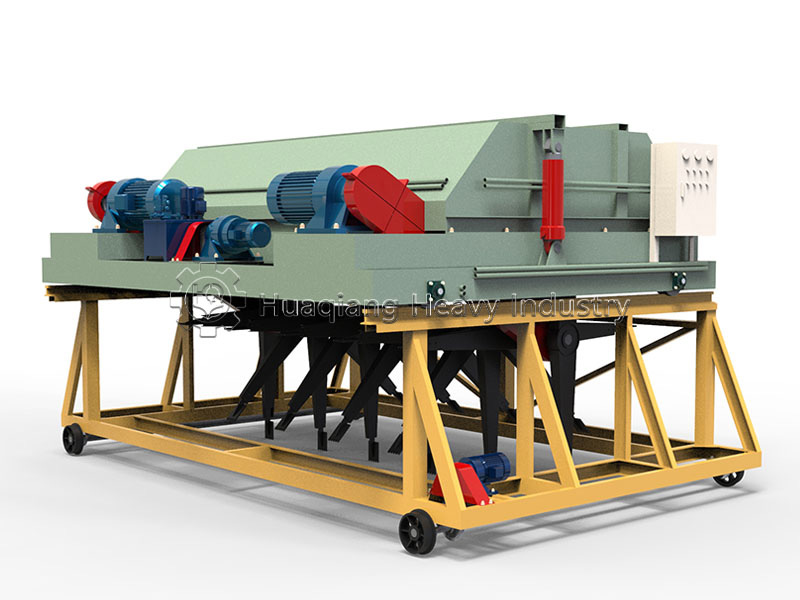
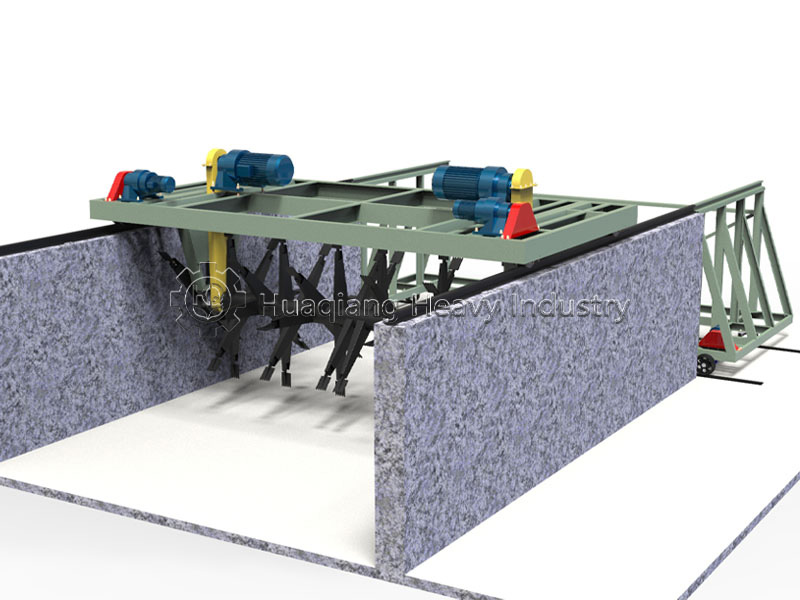
Fermentation and composting form the core of organic fertilizer production, with the compost turner serving as the key piece of equipment. Mainstream options include trough-type compost turners and crawler-type compost turners. Trough-type turners are suitable for large-scale facilities; they operate within fermentation troughs, continuously turning and aerating the material to accelerate aerobic fermentation. Crawler-type turners do not require built fermentation troughs and offer high site adaptability, making them ideal for small-to-medium-sized plants. The turning process increases oxygen levels, promotes microbial decomposition, eliminates insect eggs and pathogens, and ensures the material is fully composted. Facilities are also equipped with deodorization systems to meet environmental emission standards.
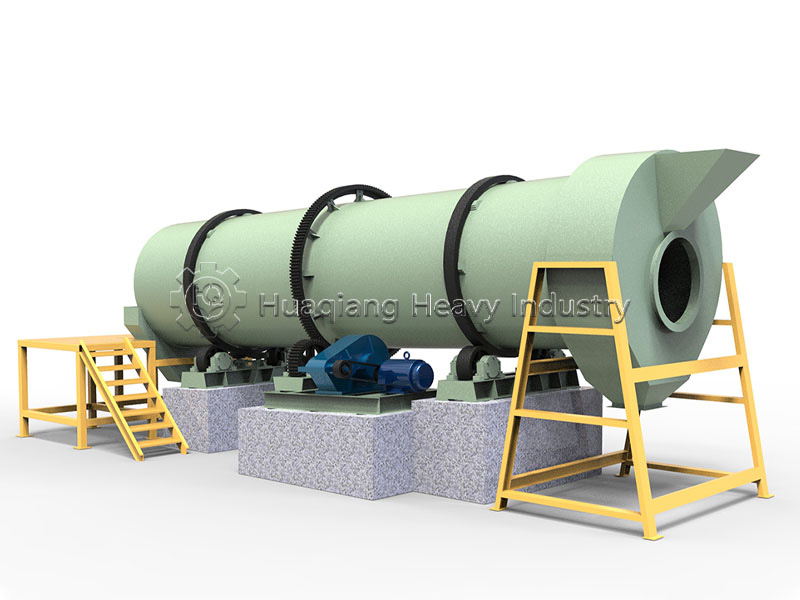
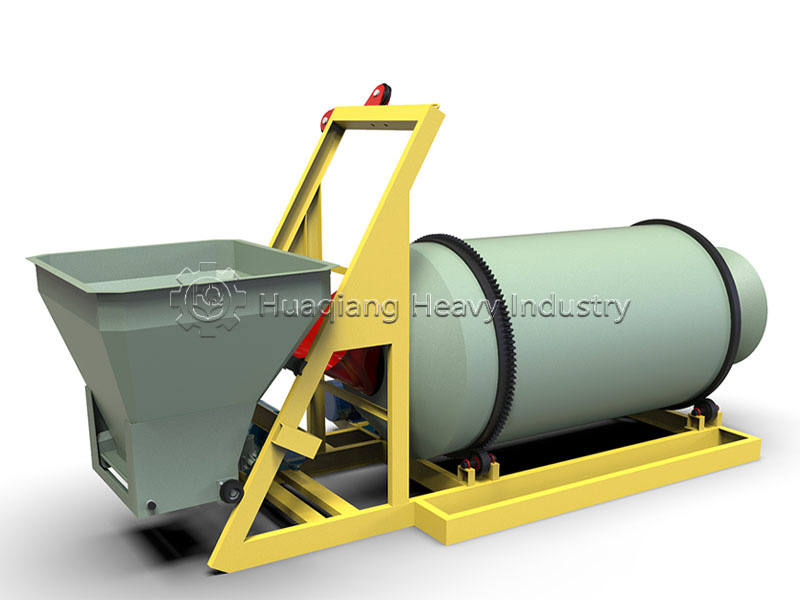
If producing granular organic fertilizer, downstream processing equipment is essential. Granulation options include disc granulators and stirring-tooth granulators, which process the composted powder into uniform granules. As granules have high moisture content after formation, a drum dryer is used to reduce moisture, followed by a cooler to rapidly lower the temperature and prevent the granules from reabsorbing moisture or clumping. A drum screening machine classifies the finished product, separating out substandard granules for reprocessing, while a coating machine applies an anti-caking layer to the granule surface, enhancing both appearance and storage stability. Powdered organic fertilizer production lines eliminate the need for granulation, drying, and cooling equipment, resulting in lower initial investment.
The final stage is product packaging. Automatic quantitative packaging machines handle weighing, bagging, and sealing, ensuring precise measurement while saving on labor costs. The entire production line is equipped with an electrical control system that centrally manages the startup and shutdown of all equipment, ensuring stable production.
Equipment selection for organic fertilizer plants should be based on factors such as annual output, site conditions, budget, and product form. Small-scale projects often prioritize powdered fertilizer configurations due to lower investment and simpler operation and maintenance; for large-scale plants, a complete granular organic fertilizer production line is recommended to ensure greater market competitiveness. A well-planned equipment setup, combined with one-stop service support, enables the stable production of high-quality organic fertilizer and facilitates the resource-efficient recycling of livestock and poultry waste.



.jpg)