Organic fertilizer is produced from agricultural and forestry waste—such as livestock manure, crop straw, and sawdust—through industrial processing that converts these materials into high-quality soil amendments. Leveraging its one-stop organic fertilizer production line services, Huaqiang Heavy Industry divides the entire production process into six core steps to ensure the stable conversion of raw materials into commercial fertilizer.
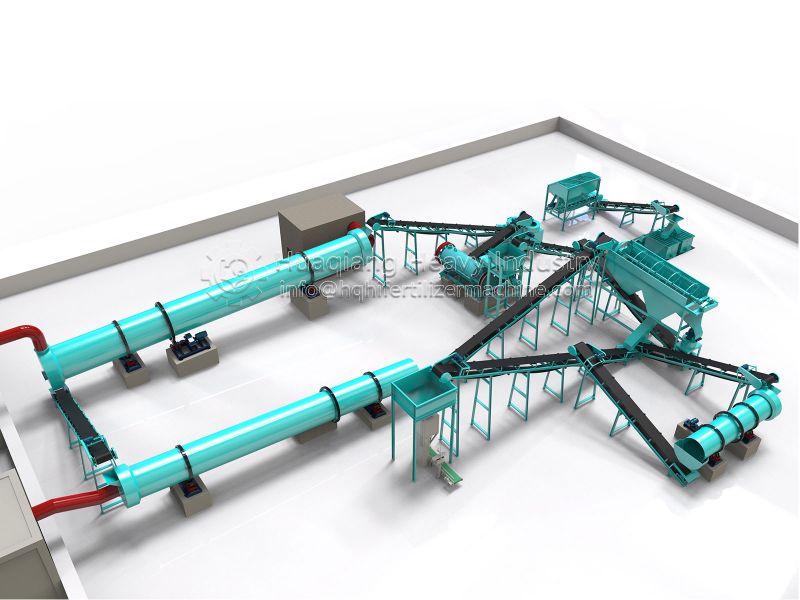
Step 1: Raw material pretreatment. Raw materials such as livestock manure, straw, and spent mushroom substrate are collected; impurities like stones and plastics are removed, and coarse fibrous materials (like straw) are pulverized. The carbon-to-nitrogen (C/N) ratio is adjusted according to the formula, and auxiliary materials are added to regulate moisture content to 50%–60%. Finally, fermentation inoculants are introduced to create favorable conditions for microbial proliferation—a foundational step for ensuring the quality of the subsequent fermentation process.
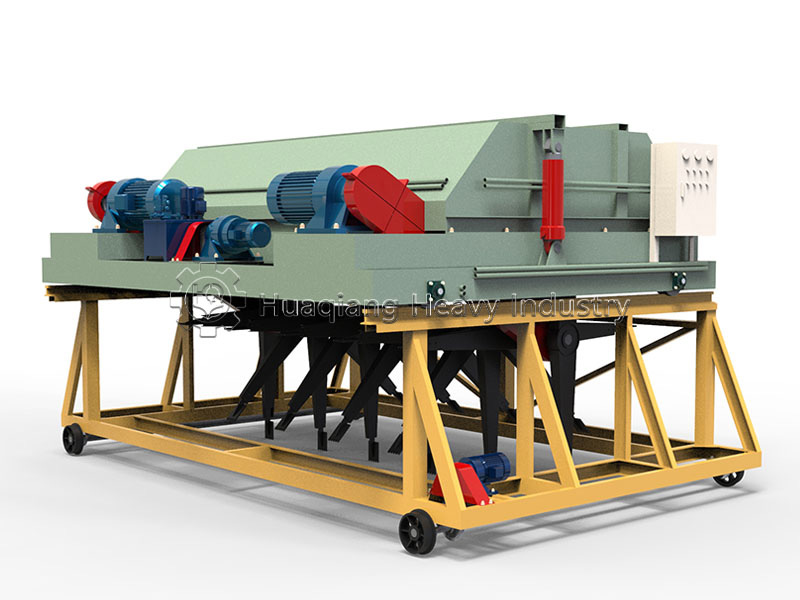
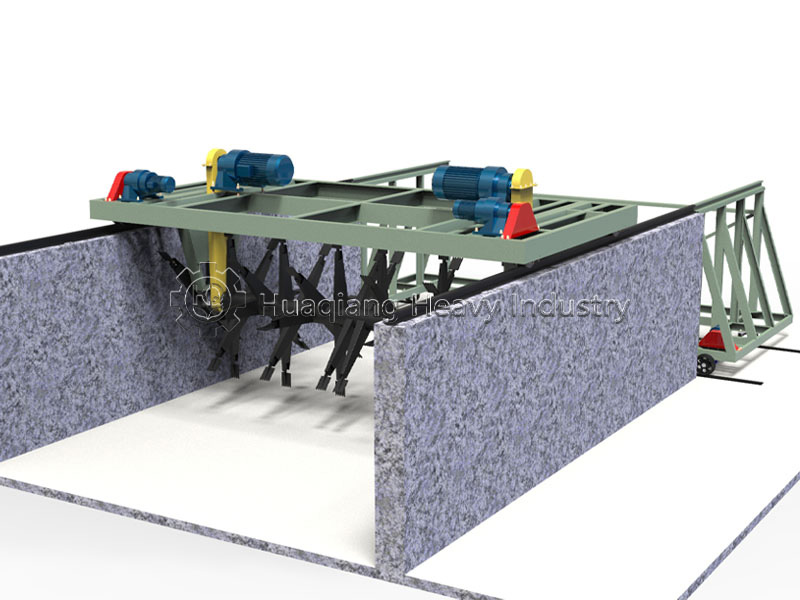
Step 2: High-temperature aerobic fermentation and maturation. The mixed materials are piled in the fermentation workshop, where an organic fertilizer compost turner regularly aerates the pile. The pile temperature rises to 60–70°C; this sustained high heat kills insect eggs and pathogens while breaking down complex organic matter. After several days of fermentation, the material undergoes harmless treatment and the odor gradually dissipates, resulting in matured compost (a semi-finished product). Ensuring full maturation is a critical control point, as un-matured raw materials can cause "seedling burn."
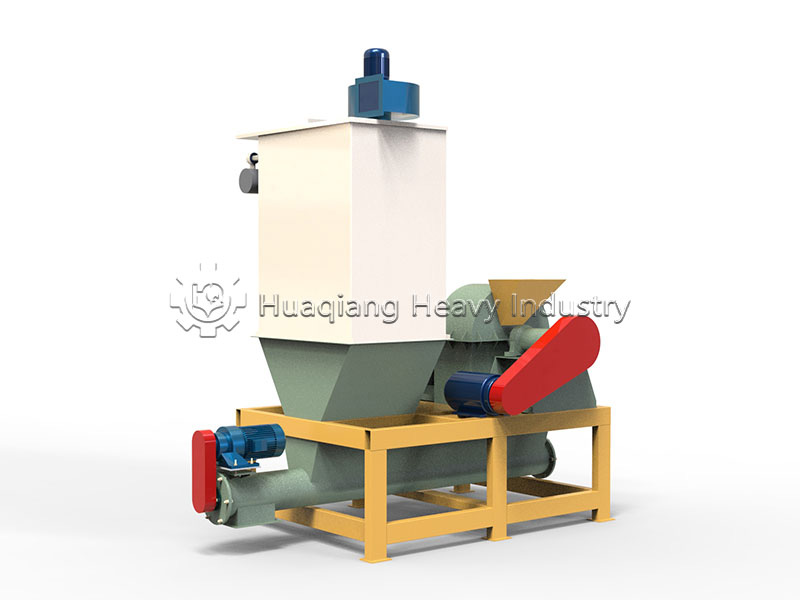
Step 3: Pulverization and screening. Fermented materials often contain clumps, so they are fed into a crusher to be broken down, followed by a drum screener to remove large, undecomposed residues. The resulting fine material is uniform in texture, meeting standards for powdered organic fertilizer and preparing the material for granulation.
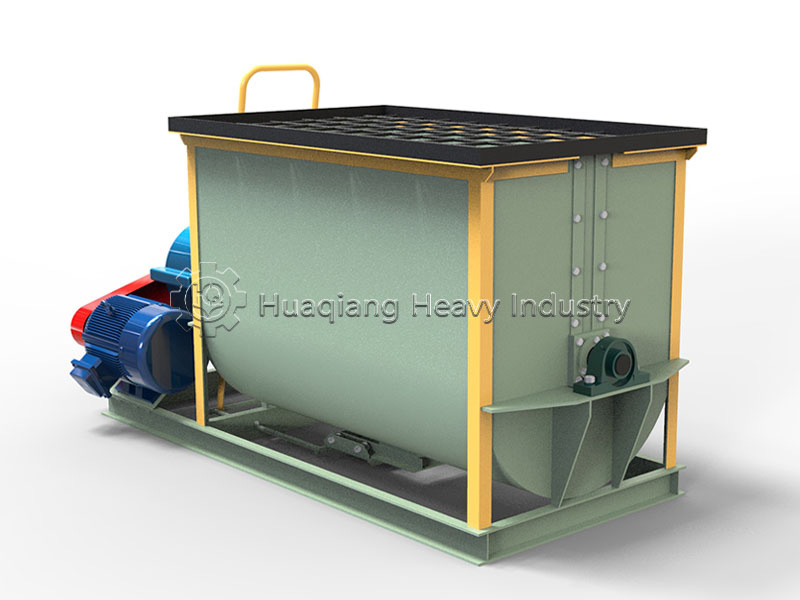
Step 4: Ingredient mixing. In accordance with product standards, secondary nutrients and trace elements are added as needed, and the mixture is thoroughly blended in a mixer to ensure even nutrient distribution. Powdered organic fertilizer is essentially complete at this stage and can be packaged directly, whereas material intended for granular fertilizer proceeds to the next step.
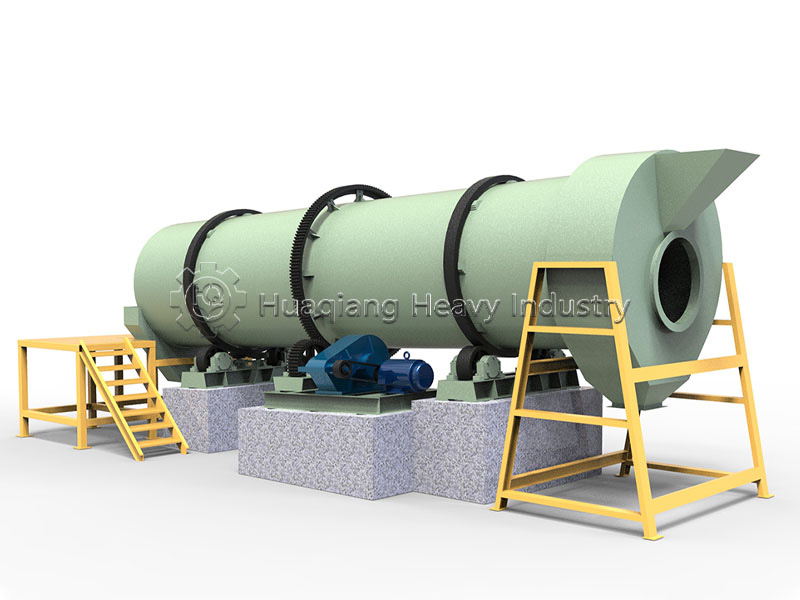
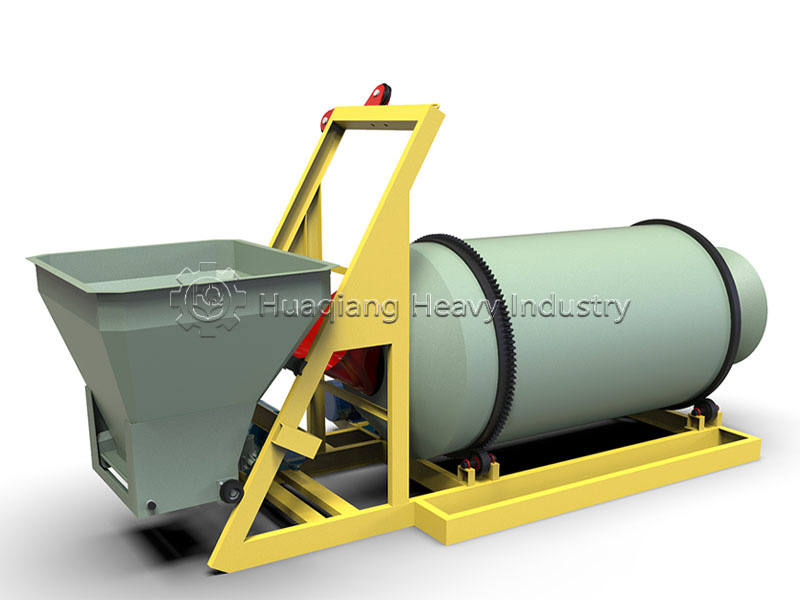
Step 5: Granulation, drying, and cooling. The mixed materials are fed into a new type organic fertilizer granulator to form granules. As the newly formed granules have a high moisture content, they require low-temperature drying to bring moisture levels within industry standards. The hot granules are then cooled to prevent clumping and mold growth. After cooling, they undergo screening to separate fines from qualified granules; the fines can be recycled back into the granulation process.
The sixth step involves coating, testing, and packaging. The granular organic fertilizer may undergo a coating process to enhance its anti-caking properties. Samples are tested for parameters such as organic matter, nutrient content, and heavy metals. Once quality standards are met, automated packaging equipment handles quantitative bagging and sealing before the product is warehoused as finished organic fertilizer ready for market.
This complete organic fertilizer production line transforms waste into a valuable resource; it not only resolves pollution issues caused by agricultural waste but also produces fertilizer that revitalizes the soil and boosts soil fertility, thereby supporting the development of green agriculture.



.jpg)