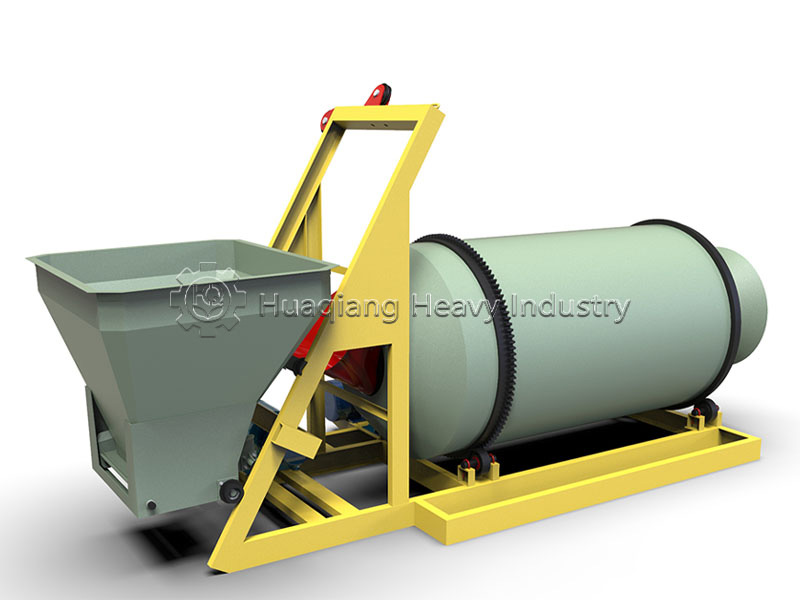
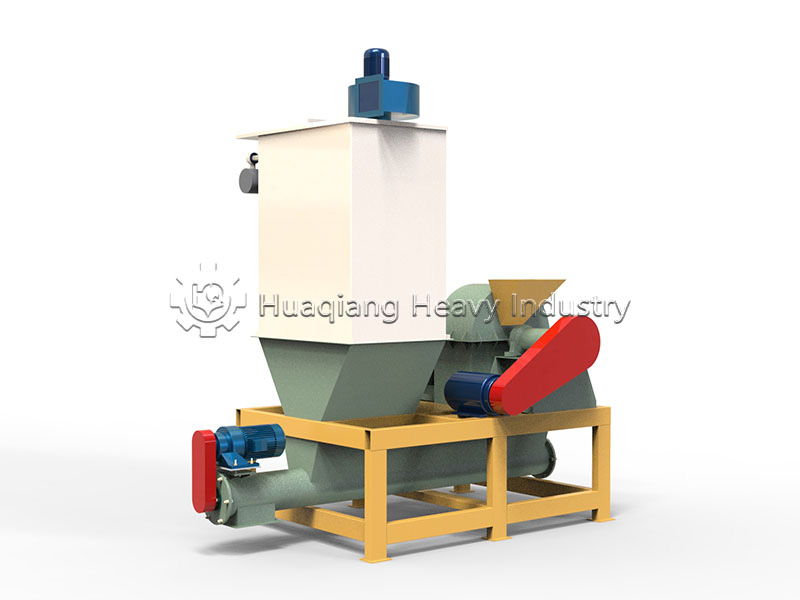
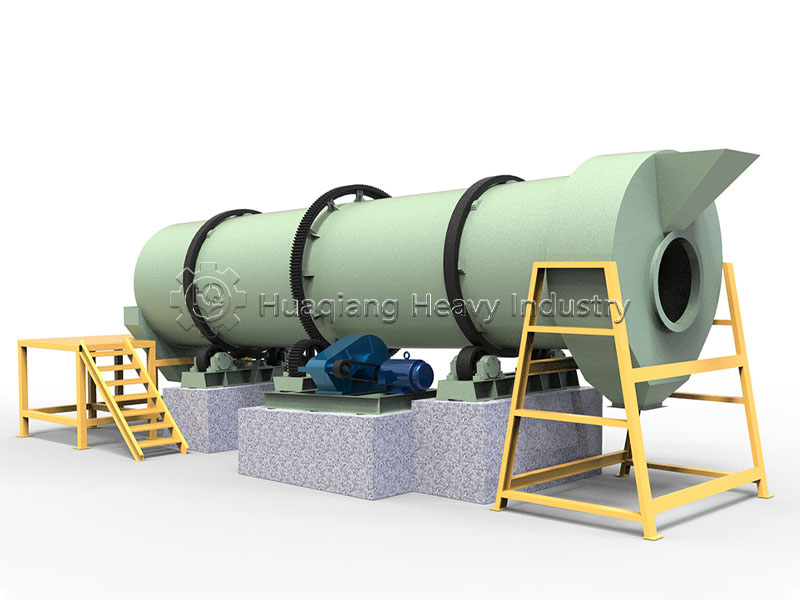
While chicken manure is rich in nutrients, raw, fresh manure often contains parasite eggs and pathogens. Applying it directly can cause "root burn" and soil contamination; therefore, it must undergo standardized, harmless treatment to be converted into high-quality organic fertilizer. The production process centers on high-temperature aerobic fermentation—a mature and stable method that serves as the primary approach for the resource utilization of livestock and poultry waste.
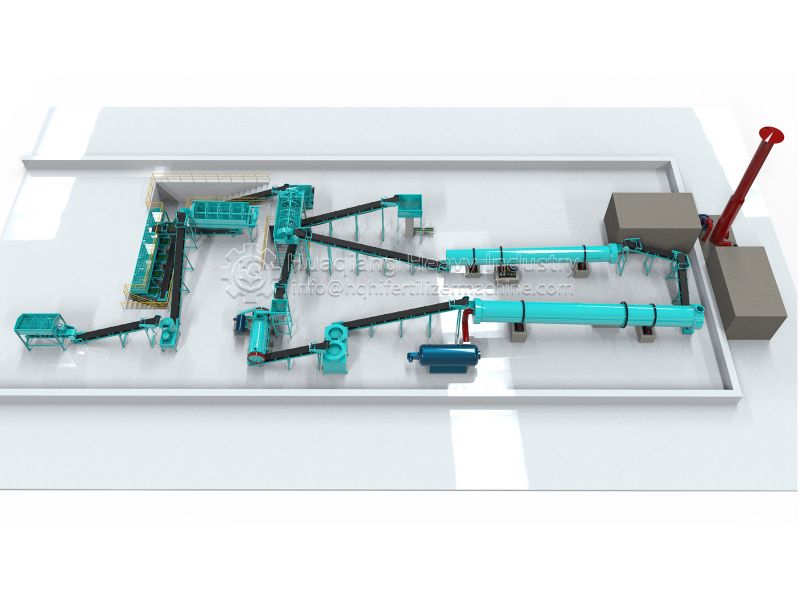
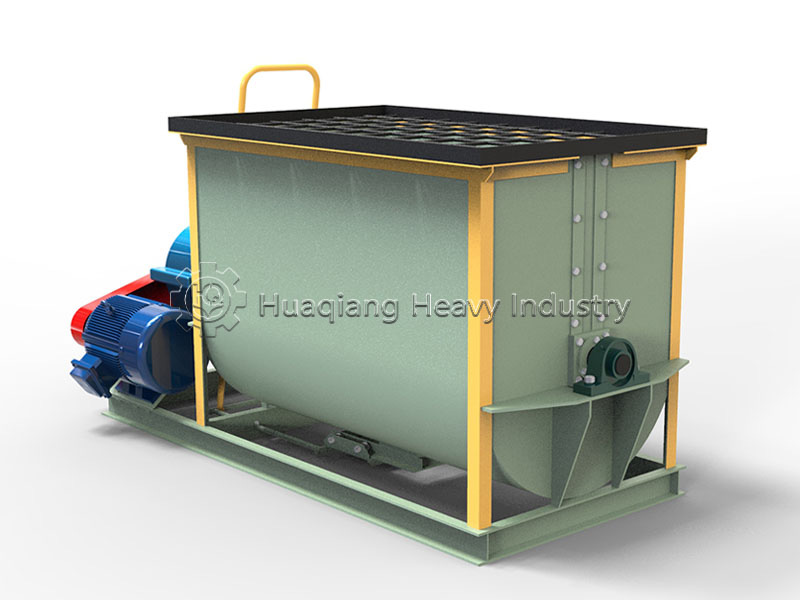
The first step is raw material pretreatment and blending. Fresh chicken manure has a high moisture content, so it is first processed through dewatering equipment to reduce moisture, while impurities such as feathers and plastic are removed. To adjust the carbon-to-nitrogen (C/N) ratio and improve aeration, auxiliary materials—such as pulverized straw, rice husks, or sawdust—are added. Specialized microbial fermentation agents are also incorporated. The materials are thoroughly mixed, with moisture content adjusted to approximately 55% to ensure optimal microbial reproduction. A proper mix is essential for successful fermentation; a C/N ratio between 25:1 and 30:1 typically yields the best results.
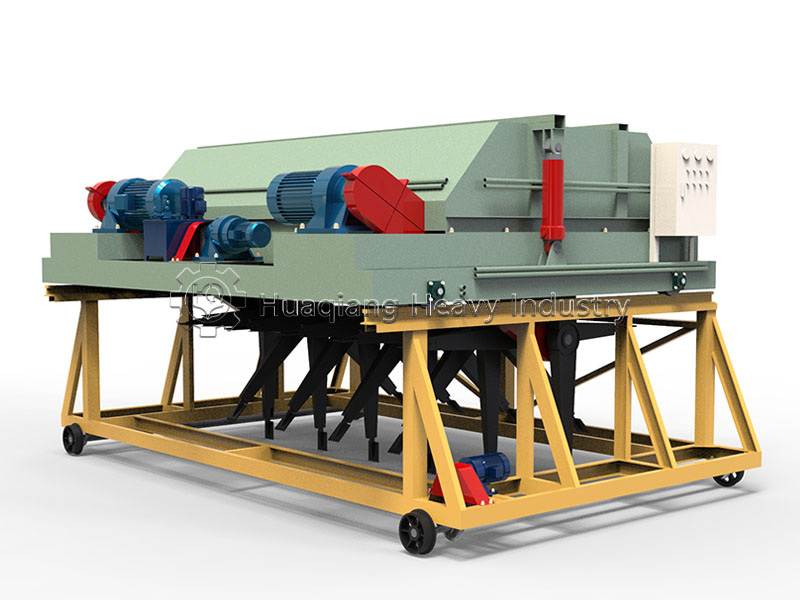
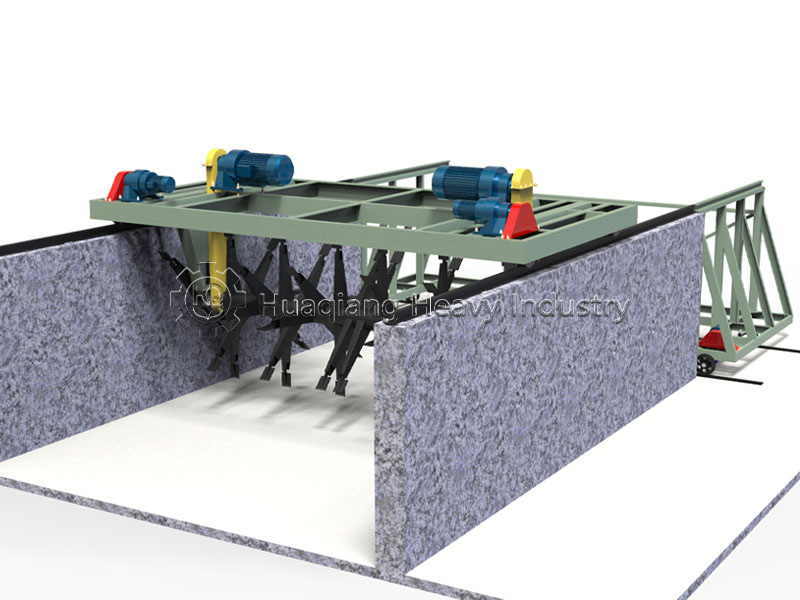
The second step is high-temperature aerobic fermentation and maturation, which is the critical stage of the entire production process. The mixed materials are arranged into windrows and moved into the fermentation facility, where a organic fertilizer compost turning machine is used to periodically turn the piles and supply oxygen. Driven by microbial activity, the temperature of the material rises to 55–70°C and is maintained at this level for 7 to 15 days. This sustained high temperature eliminates parasite eggs, pathogens, and weed seeds, while also neutralizing odors, thereby rendering the material safe. Throughout fermentation, the temperature is monitored and the piles are turned regularly to prevent anaerobic conditions, which would otherwise cause foul odors. Once fully decomposed, the material takes on a brownish color, a loose texture, and is free from pungent smells.
Following fermentation, the material undergoes post-processing. The decomposed matter is first fed into a crusher and then passed through a screening system to remove any large, hardened clumps. For the production of powdered organic fertilizer, the product simply needs to be screened and tested for nutrient content. If granular organic fertilizer is desired, the powdered material is fed into a granulator, followed by low-temperature drying and cooling to bring the moisture content within the standard range—preventing caking and mold growth. Additionally, secondary nutrients and micronutrients can be added as needed to enhance fertilizer efficacy.
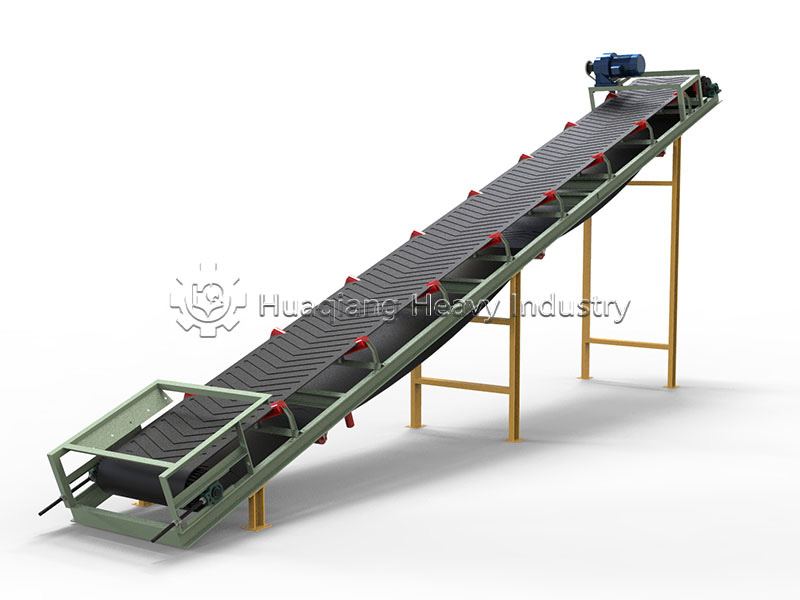
Finally, the product undergoes screening and quality inspection; once all specifications are met, it is automatically packaged and moved to storage. Huaqiang Heavy Industry offers complete equipment solutions for setting up organic fertilizer production lines, enabling the automated, continuous production of high-quality organic fertilizer from chicken manure.
Producing organic fertilizer from chicken manure not only addresses the environmental challenges posed by waste at poultry farms, but the resulting fertilizer also improves soil structure and fertility, reduces reliance on chemical fertilizers, and aligns with the goals of ecological agriculture. When farmers and agricultural operations apply well-composted chicken manure fertilizer, it enhances soil aggregate structure and promotes root growth, facilitating a sustainable, circular system of crop and livestock production.