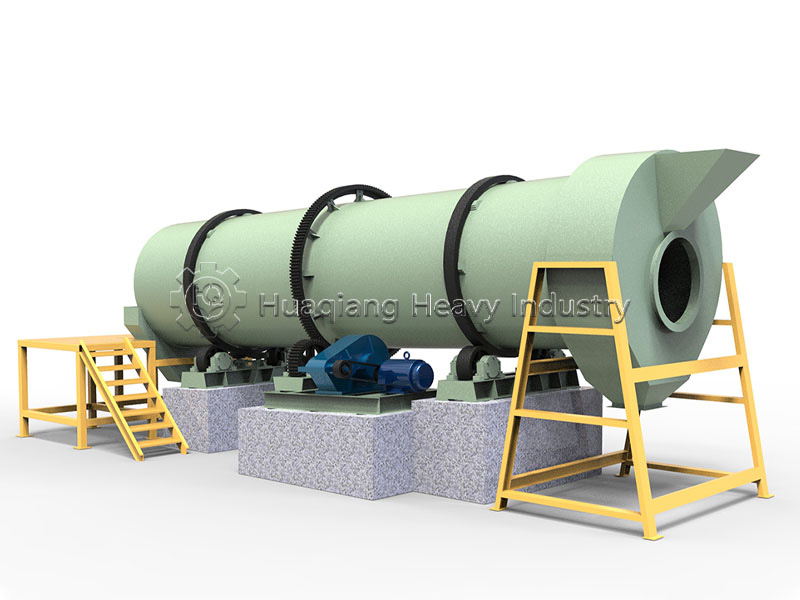
With the implementation of policies to reduce chemical fertilizer use and increase efficiency, the organic fertilizer industry is experiencing a boom. Choosing the right production machinery has become crucial for those starting their businesses. Currently, the market is flooded with equipment of varying levels and low-priced, under-equipped products. Blindly purchasing machinery can easily lead to numerous production failures and high operating costs. Based on industry experience, purchasing organic fertilizer production machinery should focus on the following four core aspects, balancing practicality, economy, and long-term development.
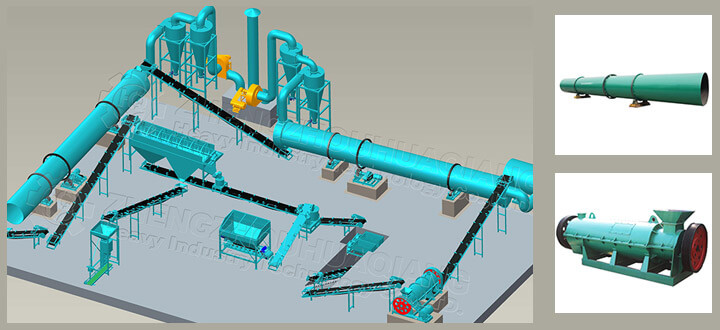
First, accurately match production needs to avoid a mismatch between capacity and operating conditions. Equipment specifications should be determined based on the scale of production and the characteristics of raw materials: small-scale farms can choose simple, low-investment single-machine equipment; medium and large-scale processing plants need to be equipped with complete organic fertilizer production lines. At the same time, select suitable models based on the moisture content and fiber content of different raw materials such as livestock manure and straw. For example, high-moisture materials should prioritize new type organic fertilizer granulators, while high-fiber raw materials require powerful crushing devices to ensure smooth and efficient production.
Second, strictly control equipment quality to build a solid foundation for stable production. The materials and core components of the equipment directly determine its service life. Priority should be given to models using stainless steel or wear-resistant alloy steel for parts in contact with materials to resist corrosion and wear. Key components such as motors and reducers should be from well-known brands, and the equipment should be verified for quality certification to avoid potential malfunctions due to substandard materials and reduce future maintenance costs.
Furthermore, environmental compliance and alignment with industry development trends are crucial. With increasingly stringent environmental regulations, equipment must be equipped with comprehensive waste gas and dust treatment devices to ensure that ammonia and dust emissions meet standards. At the same time, priority should be given to models with low energy consumption and low noise, which not only meet policy requirements but also reduce long-term operating costs and achieve green production.
Finally, the manufacturer's strength and after-sales service are paramount for long-term operation. Choose reputable fertilizer machinery manufacturers with R&D capabilities and extensive case studies. Prioritize their after-sales service system, clarifying the warranty period for core equipment, fault response time, and spare parts supply capabilities. Comprehensive after-sales service can promptly resolve equipment failures, reducing downtime losses, while the manufacturer's technical support can also help optimize production processes.
When purchasing organic fertilizer production machinery, it is necessary to abandon the misconception of "only looking at the price" and comprehensively consider the suitability for needs, quality performance, environmental compliance and after-sales guarantee in order to select high-performance equipment with good cost performance, lay a solid foundation for organic fertilizer production and achieve a win-win situation for economic and ecological benefits.


.jpg)