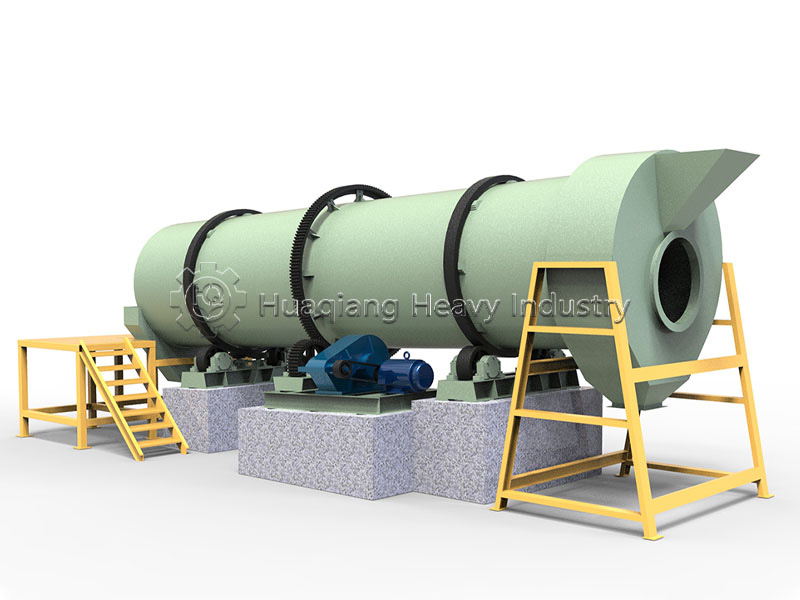
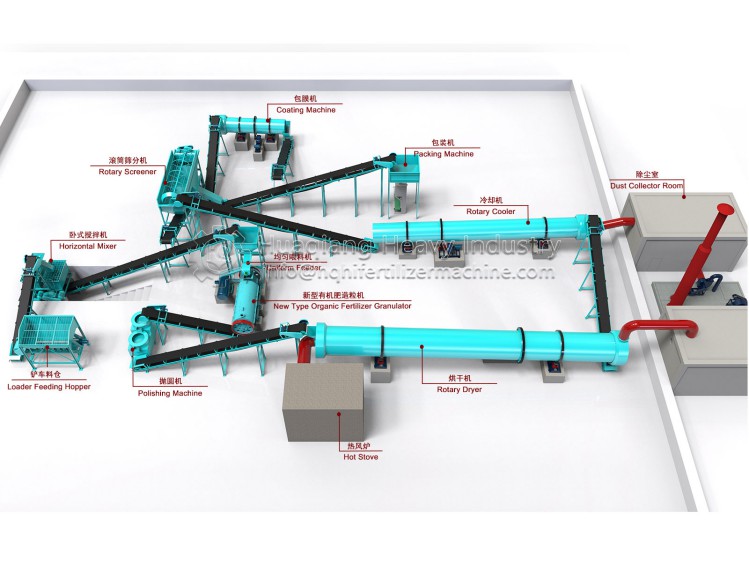
Organic fertilizer is a green fertilizer that improves soil quality and increases yield. Its raw materials are widely available and diverse, mostly consisting of various organic wastes, processed through fermentation, crushing, and granulation processes on the organic fertilizer production line. A high-quality raw material ratio is crucial for ensuring the fertility and quality of organic fertilizer. Commonly used raw materials in organic fertilizer production lines are mainly divided into four categories, all sourced naturally and environmentally friendly, enabling the resource utilization of waste.
Livestock and poultry manure is the core raw material for organic fertilizer production and is the most widely used. Common types include chicken manure, pig manure, cow manure, and sheep manure. These raw materials are rich in nitrogen, phosphorus, potassium, and various trace elements, with ample organic matter content, making them the main source of organic fertilizer fertility. Chicken manure has a high nutrient concentration, while cow manure is loose in soil and easily decomposes. After being treated with harmless fermentation on the production line, all types of manure can completely eliminate pathogens and insect eggs, avoid root burn problems, and provide a mild and long-lasting fertilizer effect, suitable for various crops and soils.
Agricultural waste is a key auxiliary material for adjusting the raw material ratio, mainly including crop straw, rice husks, corn cobs, soybean meal, and rapeseed cake. These raw materials are high in carbon, which can adjust the carbon-nitrogen ratio of the raw materials, loosen the fermentation pile, improve aeration, and promote microbial fermentation and decomposition. At the same time, straw and cake materials, after decomposition, can replenish soil organic matter, improve soil compaction, and are important ingredients for producing high-quality organic fertilizer.
Industrial organic by-products are high-quality supplementary raw materials, encompassing distiller's grains, vinegar residue, sugar residue, medicinal herb residue, and mushroom residue. After harmless treatment, these industrial wastes have high organic matter content, few impurities, balanced nutrients, and a fine texture that is easy to ferment. This not only reduces the production cost of organic fertilizer but also enables the recycling of industrial waste, aligning with the concept of green production.
In addition, compliantly treated household organic waste and natural minerals are also auxiliary raw materials. Sorted and screened fruit and vegetable residues, kitchen waste, as well as peat and sphagnum moss, are rich in organic matter and can enhance fertilizer activity. All raw materials must undergo screening, impurity removal, water adjustment, and proportioning pretreatment before entering the organic fertilizer production line for processing, ultimately producing safe and efficient ecological organic fertilizer.



.jpg)