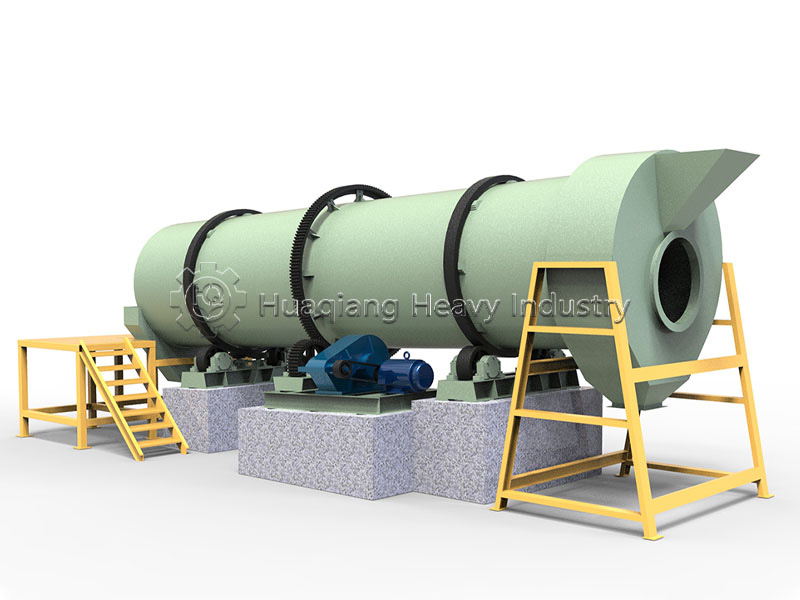
Organic fertilizer production lines are complete sets of equipment designed to convert organic waste—such as livestock manure, crop straw, and sludge—into usable resources. Different capacity specifications entail significant variations in production scale, site requirements, and investment costs; therefore, customers should determine the optimal solution based on raw material supply and market demand. Huaqiang Heavy Industry offers one-stop services for organic fertilizer production lines—ranging from system design and equipment manufacturing to on-site installation and commissioning—to suit projects of various capacities.
_800x600.jpg)
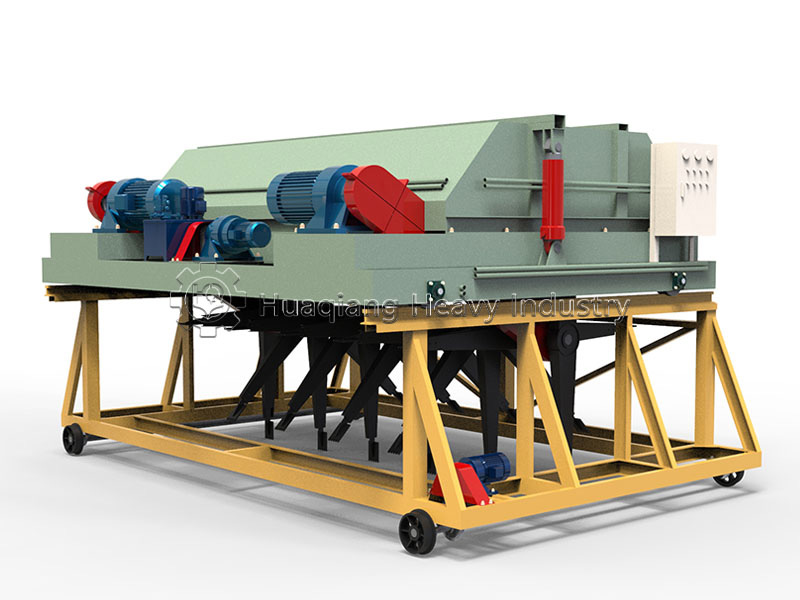
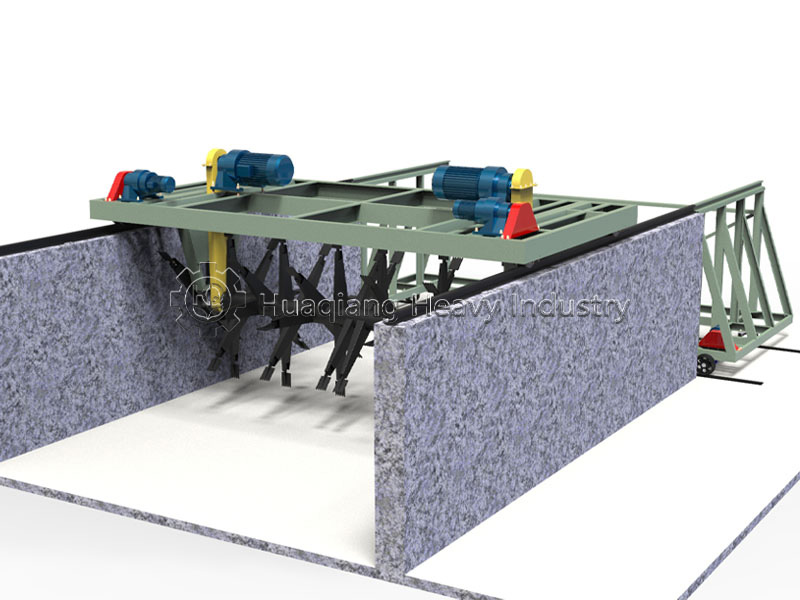
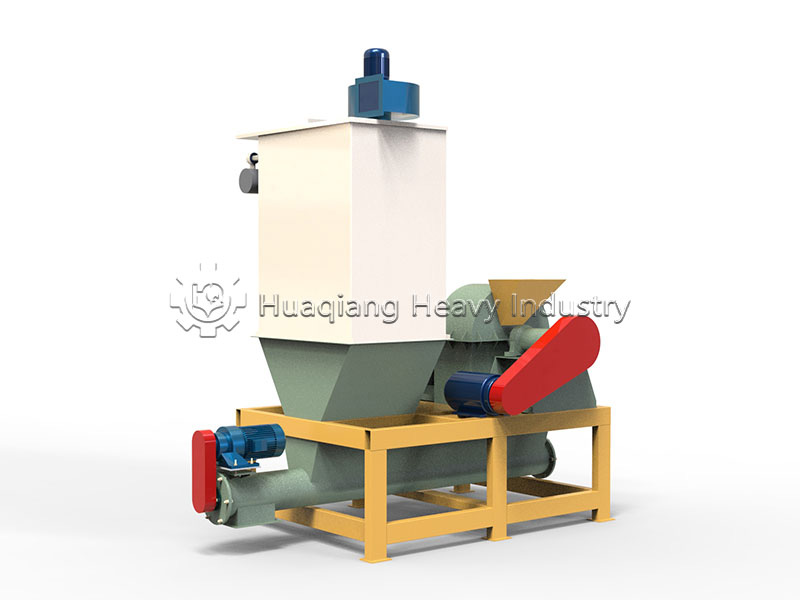
Small-scale organic fertilizer production lines typically have capacities ranging from 10,000 to 30,000 tons per year, making them ideal for family farms and small livestock operations. These projects feature limited raw material supplies, compact footprints, and lower initial investment costs. Equipment configurations include fermentation turners, half-wet material crushers, disc granulators, and screening machines, capable of producing either powdered or granular organic fertilizer. These lines offer moderate automation, require minimal labor, and are easy to maintain; they are frequently used to process manure on-site at farms, supplying nearby fruit and vegetable bases, and offer a short payback period.
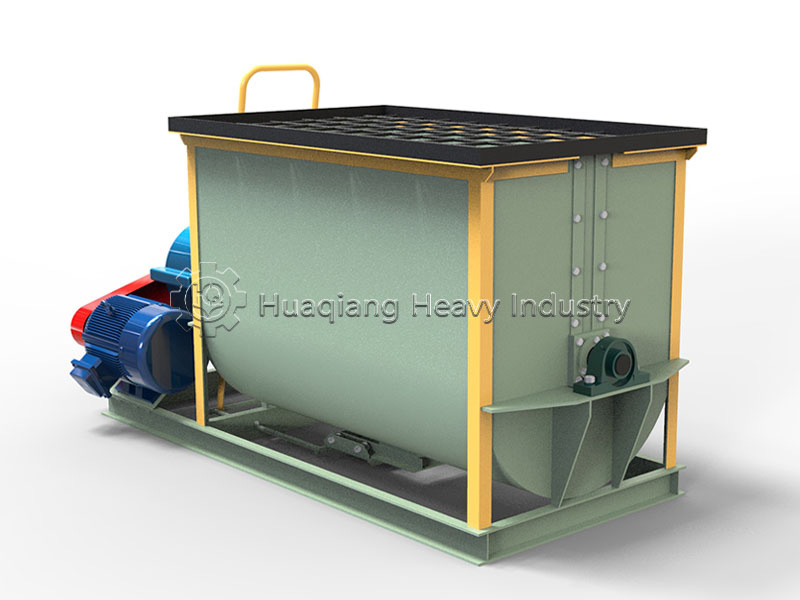
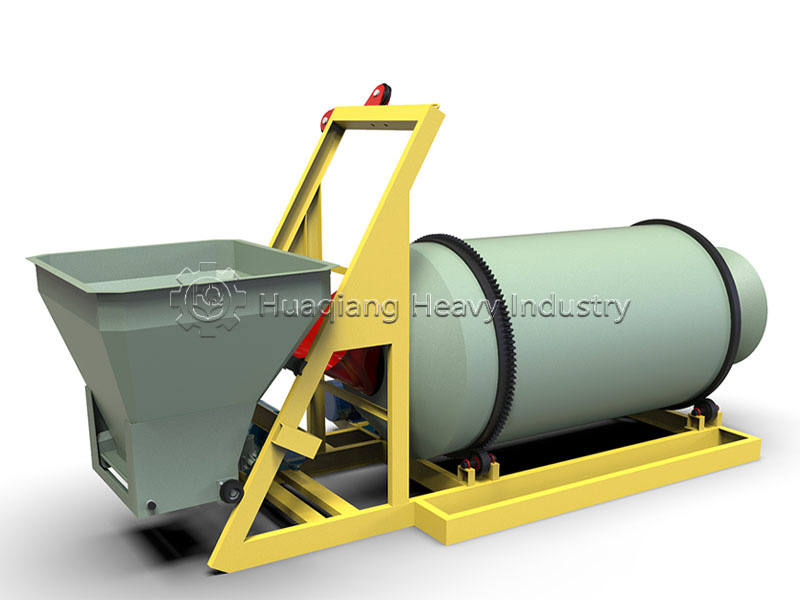
Medium-scale organic fertilizer production lines typically feature capacities of 50,000 to 100,000 tons per year. This is the most common specification for organic fertilizer plants, suitable for medium-sized livestock enterprises and regional waste treatment centers. These lines feature comprehensive equipment setups, including continuous fermentation systems and integrated crushing, granulating, drying, and cooling processes. With higher levels of automation, they produce uniform granules of consistent quality. Balancing raw material processing volume with market supply capabilities, these lines serve local and regional agricultural markets while meeting both economic and environmental disposal needs; they represent a significant portion of the projects undertaken by Huaqiang Heavy Industry.
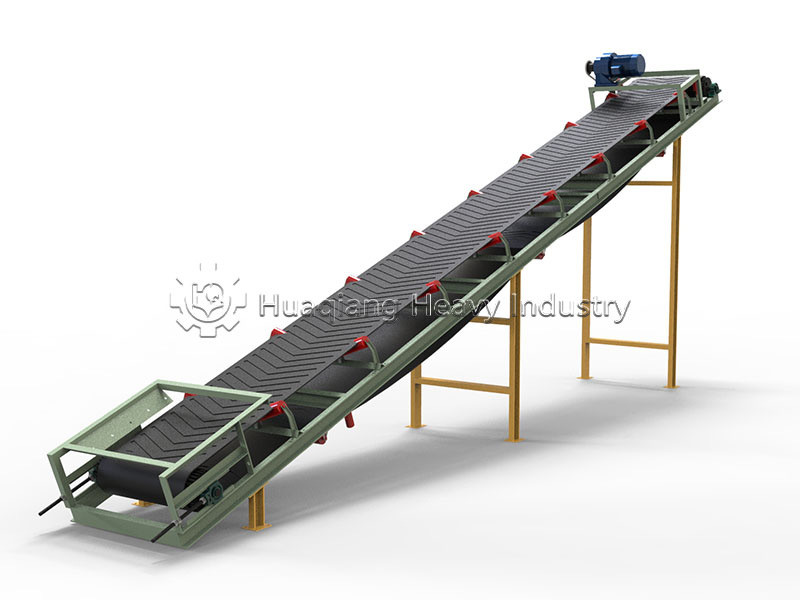
Large-scale organic fertilizer production lines can achieve capacities of 150,000 to 300,000 tons per year, making them suitable for large livestock conglomerates and regional centralized organic waste treatment projects. These lines utilize continuous, enclosed production processes and are equipped with large-scale turning machinery, automatic batching systems, and coating equipment. The entire production line features a high degree of intelligence, enabling continuous, 24-hour operation. These projects require a large footprint and feature comprehensive environmental protection facilities, enabling the large-scale processing of raw materials such as cattle manure, chicken manure, and crop straw. Beyond standard organic fertilizer, the finished products can include bio-organic fertilizers, allowing access to a broader agricultural market; the model is well-suited for large-scale, brand-oriented operations.
When selecting equipment, one must look beyond annual output figures and distinguish between powdered and granular organic fertilizers. For the same production capacity, granular production lines involve more complex processes and higher equipment investment. Additionally, factors such as raw material moisture content and fermentation cycles affect actual output, so design plans must incorporate operational flexibility.
In summary, organic fertilizer production lines are available in a wide range of capacities—from 10,000 to 300,000 tons per year—with tailored solutions for everything from small-scale farm use to large regional fertilizer plants. Huaqiang Heavy Industry provides one-stop services, customizing production line plans based on the client's raw materials, site area, and budget to facilitate the resource utilization of organic waste and the production of high-quality organic fertilizer.


.jpg)