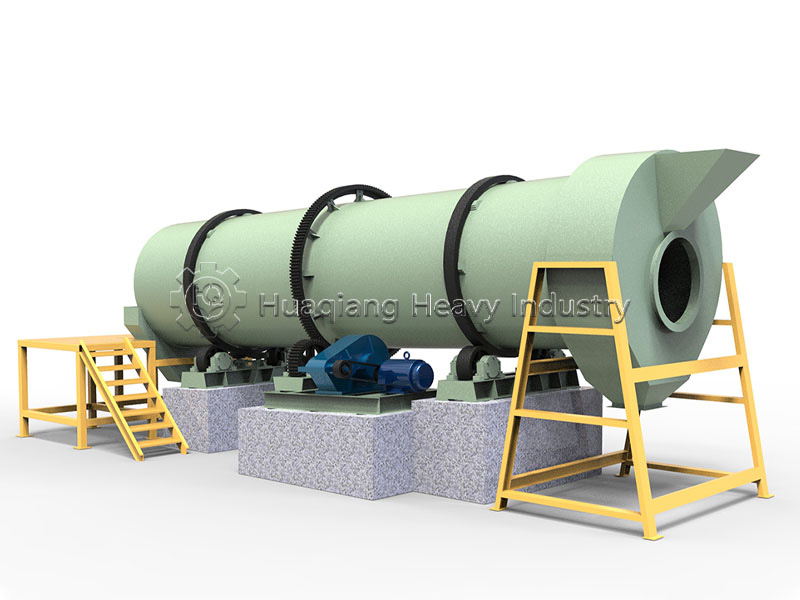
In large-scale organic fertilizer production, loader feeding hoppers, seemingly simple material containers, are actually crucial hubs connecting raw material supply and subsequent processing. They bear multiple responsibilities, including storage, regulation, and efficiency enhancement, directly determining the smoothness and stability of the production line. They are indispensable core equipment in modern agricultural organic fertilizer production.
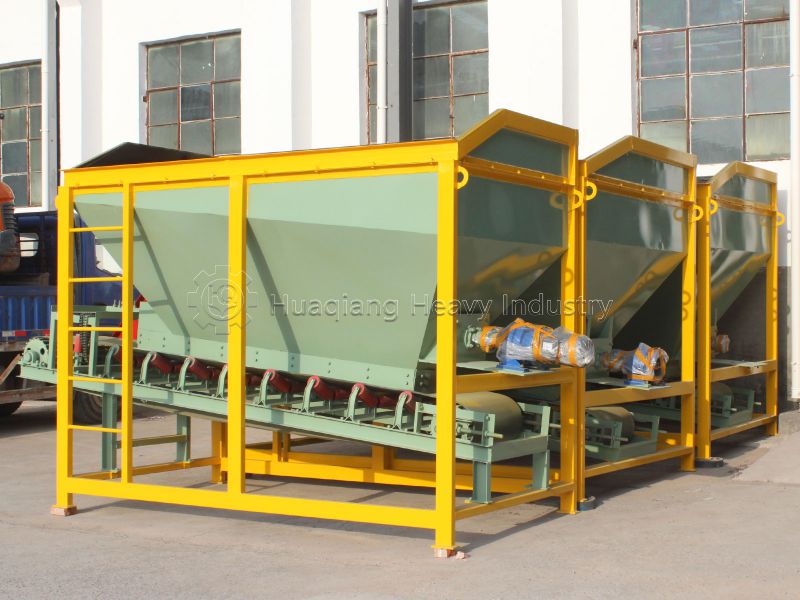
The primary function of loader feeding hoppers is centralized storage of raw materials, solving the problem of production coordination. Organic fertilizer raw materials are diverse, mostly loose materials such as livestock manure, straw, and kitchen waste, with inconsistent batches and quantities. Forklift hoppers, with customized capacities, can store several tons of raw materials at a time, eliminating the need for frequent refills. This avoids pollution and loss caused by open-air raw material storage and enables centralized control of raw materials, providing a continuous material supply for subsequent processing and completely overcoming the pain point of low efficiency in manual feeding.
Precisely controlling the feeding rhythm to ensure stable and efficient production is its core function. The loader feeding hopper is equipped with a speed-regulating conveyor and a flow-aiding vibration structure at its bottom. This allows for flexible adjustment of the feeding speed based on the processing capacity of subsequent equipment such as crushers and mixers, ensuring uniform feeding and preventing equipment idling or blockages. Simultaneously, some hoppers have the function of breaking up and mixing large pieces of raw materials, pre-treating loose materials, improving the continuity of subsequent processing, maintaining stable operation of the entire production line, significantly reducing downtime losses, and improving overall production efficiency.
Furthermore, the loader feeding hopper optimizes the production process and reduces labor and operating costs. Its operation is simple, requiring no complex civil engineering; only one loader is needed to complete the raw material loading, replacing the traditional multi-person material handling and feeding mode, significantly reducing labor intensity and costs. At the same time, the enclosed hopper design combined with a breathable structure reduces the escape of odors from raw materials and prevents moisture accumulation that could lead to spoilage, balancing environmental protection and material preservation, further reducing production losses and environmental management costs.
As the "material hub" of the organic fertilizer production line, the loader feeding hopper, with its multiple advantages in storage, regulation, and efficiency enhancement, connects all aspects of raw material supply and deep processing, solving many pain points in the handling of bulk materials. It not only improves production efficiency and product quality but also promotes the transformation of organic fertilizer production towards large-scale, automated, and environmentally friendly practices, providing solid equipment support for the green development of modern agriculture.



.jpg)