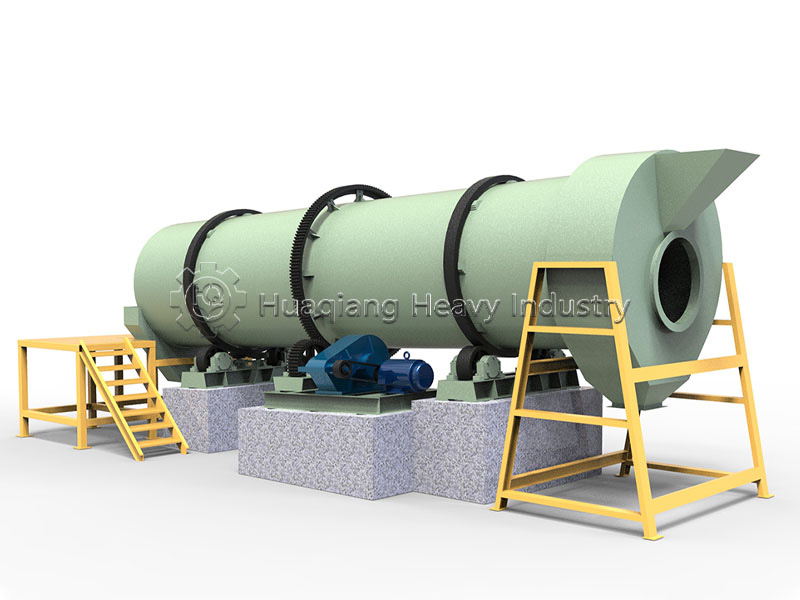
In the wave of green transformation in agriculture, organic fertilizer production equipment serves as a crucial link connecting agricultural waste with high-quality fertilizers. Its core function lies in achieving the resource utilization of organic waste, promoting improved fertilizer quality and efficiency, protecting the agricultural ecological environment, injecting strong momentum into sustainable agricultural development, and solving many difficulties in traditional agricultural development.
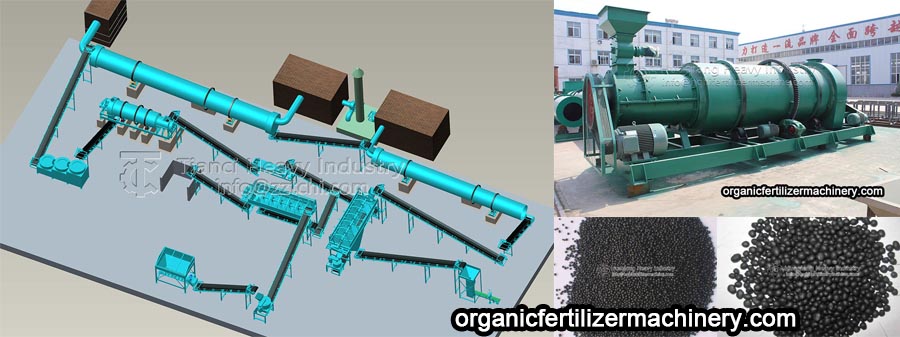
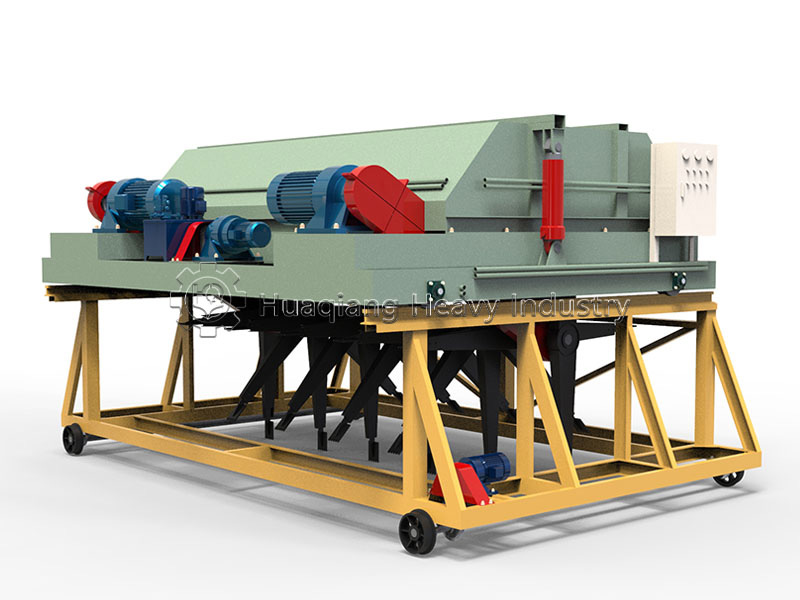
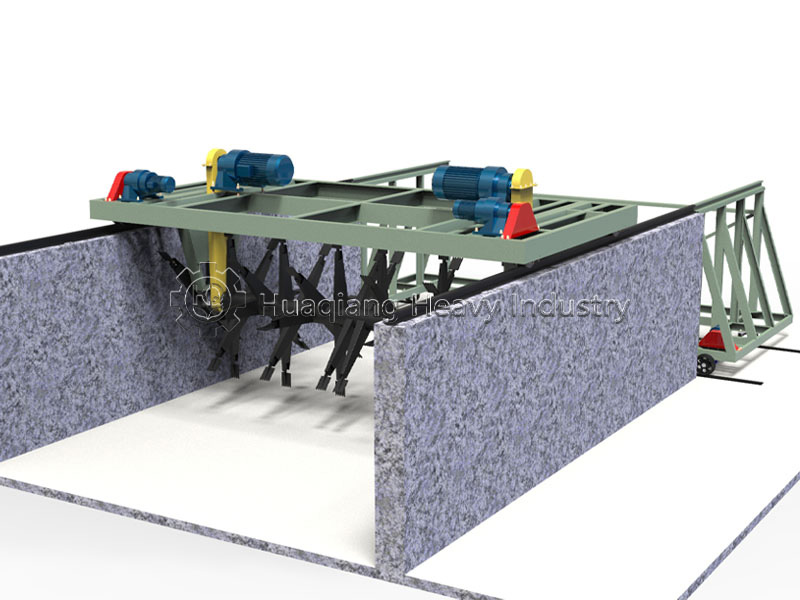
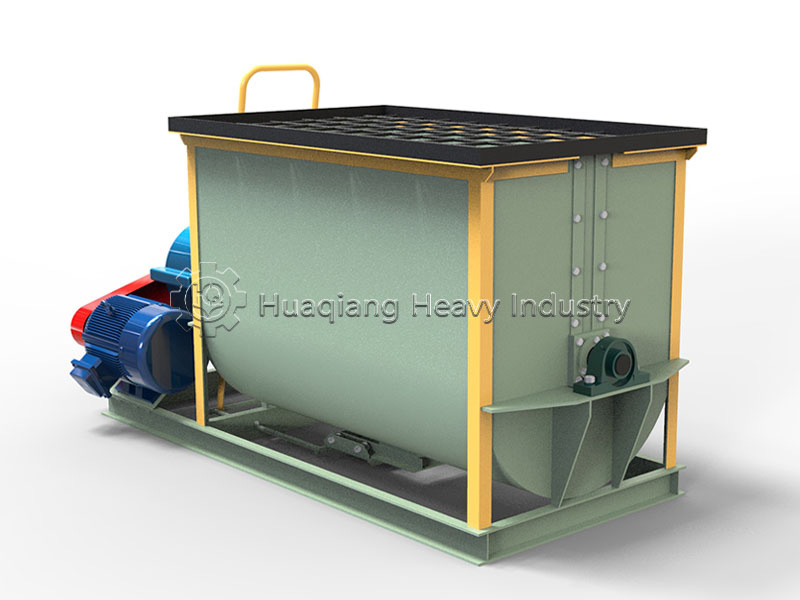
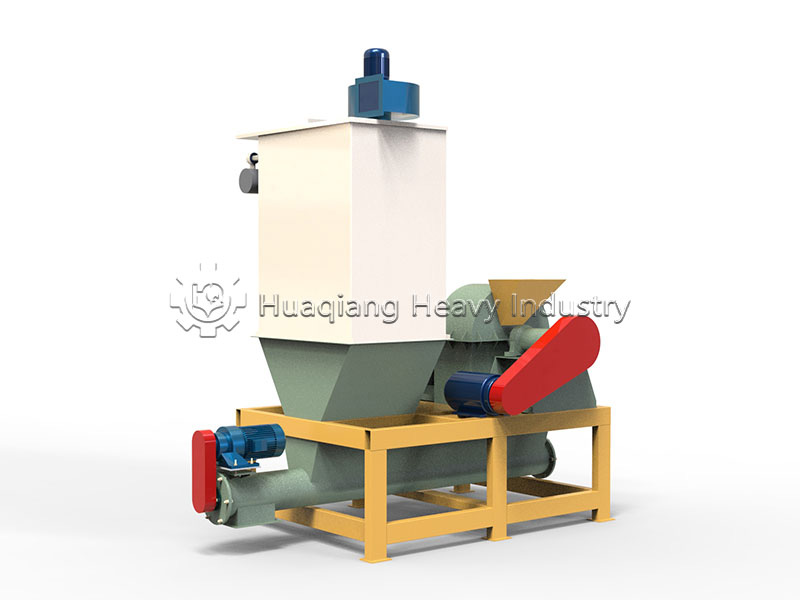
The primary core function of organic fertilizer making machine is to achieve harmless treatment and resource utilization of organic waste. In traditional agriculture, livestock manure and crop straw are often piled up indiscriminately, easily leading to ammonia volatilization and sewage leakage, polluting soil and water bodies. However, specialized fermentation and crushing equipment can transform these wastes into valuable resources. Fermentation equipment, through precise temperature control and sterilization, thoroughly eliminates pathogens and weed seeds, while crushing equipment homogenizes the materials. This not only solves the problem of waste pollution but also turns waste into valuable resources, transforming "pollution sources" into "nutrient sources" that nourish the soil.
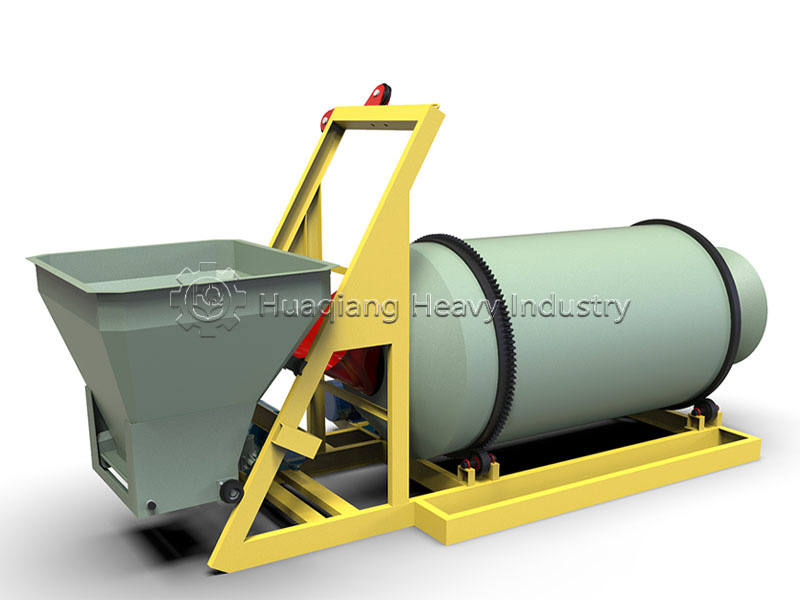
Improving quality and efficiency, and promoting standardized organic fertilizer production, is another core value. Organic fertilizer production equipment, through fine-tuned processing throughout the entire process of granulation, drying, and screening, transforms loose powdery materials into finished fertilizers with uniform granules and stable nutrients. Granulation equipment enables molding without binders, improving fertilizer purity; drying and cooling equipment precisely controls temperature and humidity, reducing nutrient loss; and screening equipment separates impurities, ensuring product qualification rate [1]. This not only improves the practicality and marketability of organic fertilizers but also allows for the slow release of nutrients, significantly increasing utilization efficiency.
Protecting ecological balance and contributing to sustainable agricultural development is a deeper core function of the equipment. The entire production process is energy-efficient and reduces consumption. Through technologies such as enclosed fermentation and exhaust gas purification, harmful gas emissions are significantly reduced, and dust and sewage emissions meet environmental standards. At the same time, the widespread application of high-quality organic fertilizers can improve soil compaction and acidification problems, enhance soil fertility, reduce the ecological damage caused by chemical fertilizers, and build an ecological closed loop of "waste-fertilizer-agricultural products."
In summary, the core function of organic fertilizer production equipment is to achieve resource recycling, improve fertilizer quality, and protect the ecological environment. It is not only a valuable aid in agricultural production, but also an important support for promoting green agriculture and achieving harmonious coexistence between humans and nature.



.jpg)