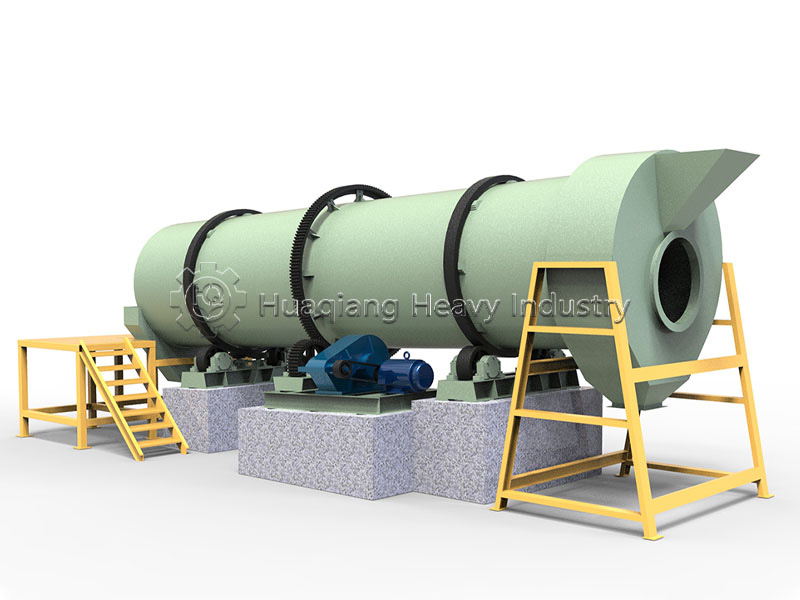
In the construction of an organic fertilizer production line, the selection of an organic fertilizer granulator directly impacts production efficiency, product quality, and overall cost. A scientific decision must be made based on actual needs to avoid overkill or insufficient capacity.
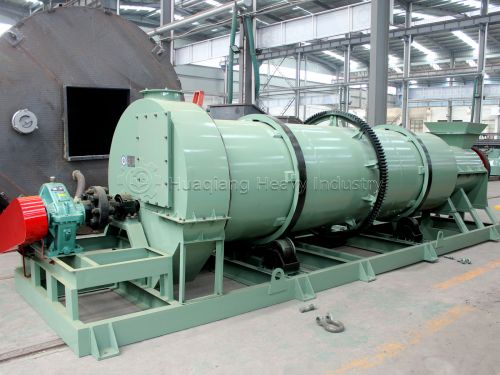
The primary considerations for selection are the production line scale and production capacity requirements. For small production lines with daily outputs typically ranging from 5 to 20 tons, a disc granulator is a cost-effective option. Its simple structure, low investment cost, and easy operation and maintenance allow for rapid adaptation to small-batch production. For medium-sized production lines with daily outputs of 20 to 50 tons, a modified disc granulator or a double roller press granulator can be selected to balance production capacity and product quality. For large-scale production lines with daily outputs exceeding 50 tons, a rotary drum granulator is more suitable. Its strong continuous operation capabilities allow for seamless integration with automated production lines to meet large-scale production needs.
Raw material characteristics are another key consideration for selection. If the raw material moisture content is between 25% and 35%, a disc granulator is the preferred choice for conventional organic fertilizers, leveraging centrifugal force for efficient granulation. If the raw material moisture content is low (10%-20%) and contains sensitive components such as humic acid and amino acids, a double roller press granulator is preferred. This eliminates the need for drying pretreatment and reduces the damage to active bacterial strains caused by high temperatures, ensuring high-quality organic fertilizer. If the raw material composition is complex and contains a high concentration of impurities, a rotary drum granulator offers greater adaptability, and spray adjustment can reduce the impact of raw material variations on granulation.
Additionally, product requirements and budgetary costs should also be considered. If high-hardness and uniformity are required to enhance market competitiveness, an double roller press granulator offers a clear advantage in granule strength. If cost control is a priority, a disc granulator offers lower initial investment and lower operating and maintenance costs. Furthermore, room should be left for equipment upgrades to avoid equipment obsolescence due to subsequent capacity expansion, ensuring that the selection decision is both relevant for the current situation and takes into account long-term development. Scientific selection can not only improve production efficiency, but also ensure the stable quality of finished products, lay a solid core foundation for the organic fertilizer production line, and help enterprises seize advantages in the green agricultural market.



.jpg)