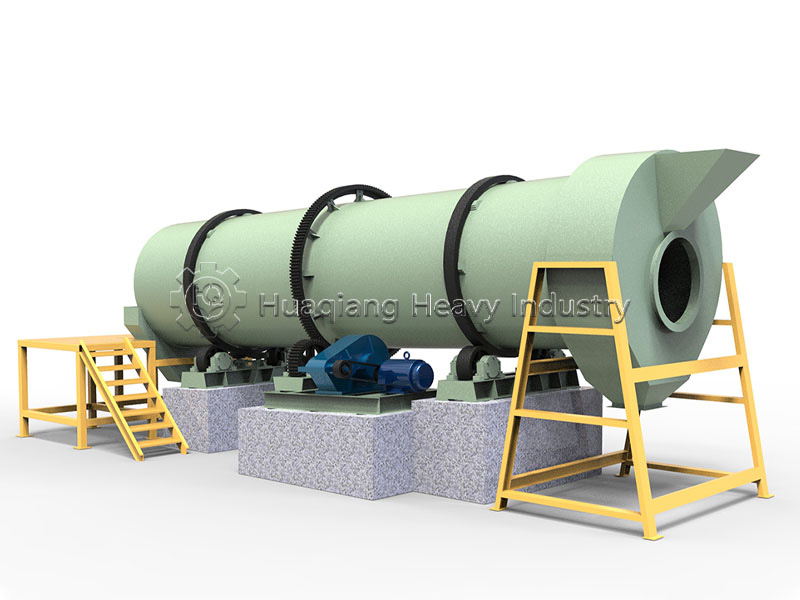
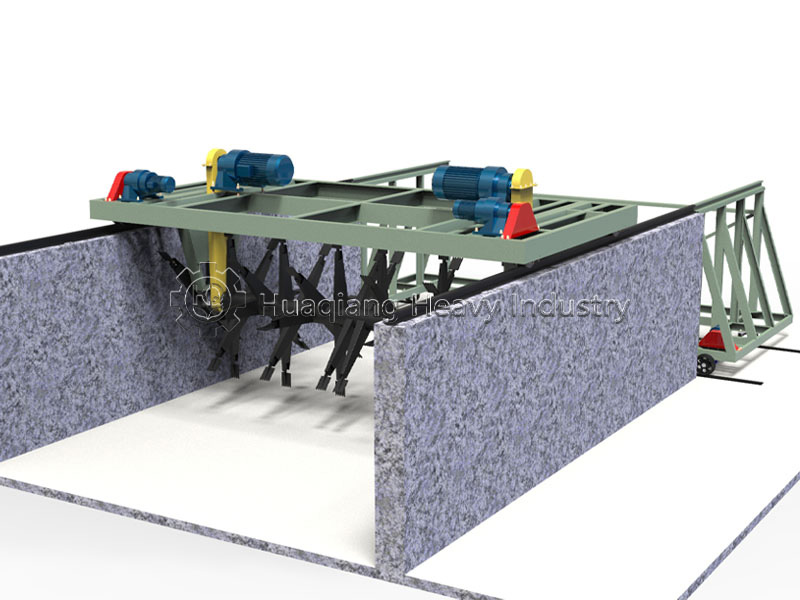
The organic fertilizer compost turning machine is a core piece of equipment in the organic fertilizer production line. Its proper operation directly impacts operational safety, compost quality, and equipment lifespan. Mastering scientific operating precautions is crucial for ensuring efficient and orderly production.
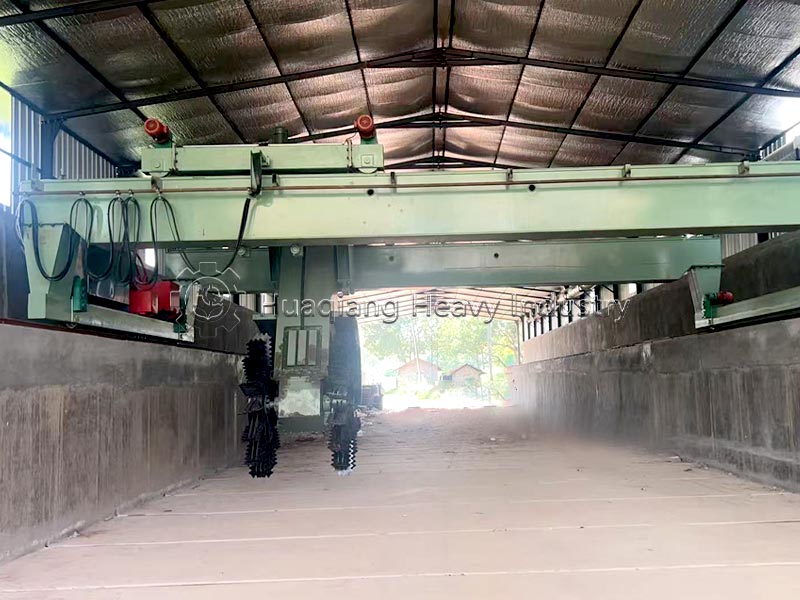
Thorough preparation is essential before operation. A comprehensive check of the equipment status is required, focusing on the tightness of core components such as the turning wheel and rotating shaft to ensure there is no loosening or deformation. Check that protective devices such as the curved splash guard and anti-splash curtain are intact to prevent organic fertilizer from splashing and causing injury or environmental pollution during operation. At the same time, ensure sufficient fuel and lubricating oil, that there are no leaks in the electrical and hydraulic systems, that the water level in the dust suppression component's water tank is adequate, and that the atomizing nozzles are working properly. In addition, the work area should be cleared of debris such as stones and metal to prevent damage to the equipment; a work area should be designated, and unauthorized personnel should be prohibited from entering. Operators must wear appropriate protective equipment.
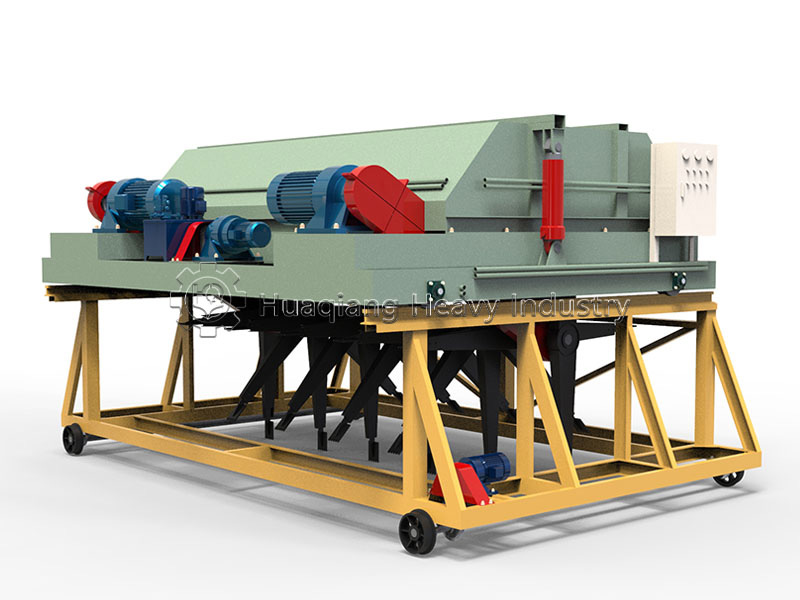
Standardized operation is crucial during work. After starting the equipment, a no-load test run should be performed. Only after the speed is stable and all components are operating normally should the machine be put into operation. Adjust the turning depth appropriately according to the height and humidity of the organic fertilizer pile using the adjustment frame to avoid overloading the equipment. Maintain a constant speed during operation to ensure even turning and no missed areas. Observe the equipment's operating sound and vibration; if any abnormalities occur, stop the machine immediately for inspection. For equipment equipped with GPS, ensure that the operating trajectory is accurately recorded and uploaded to the monitoring platform. Furthermore, control the working environment; activate the dust suppression system when there is significant dust to reduce environmental pollution.
Proper maintenance is necessary after operation. After stopping the machine, promptly clean any remaining organic fertilizer from the equipment, especially the turning wheel and the inside of the splash guard, to prevent material buildup from affecting subsequent use. Lubricate all rotating parts of the equipment to prevent rust; check for wear and tear on components and replace damaged parts promptly. Finally, park the equipment in the designated area, take precautions against rain and moisture, and record the equipment's operating status to provide a basis for future maintenance.
Following these precautions will ensure the safety of operators, improve composting efficiency, extend equipment lifespan, and lay a solid foundation for high-quality organic fertilizer production.



.jpg)