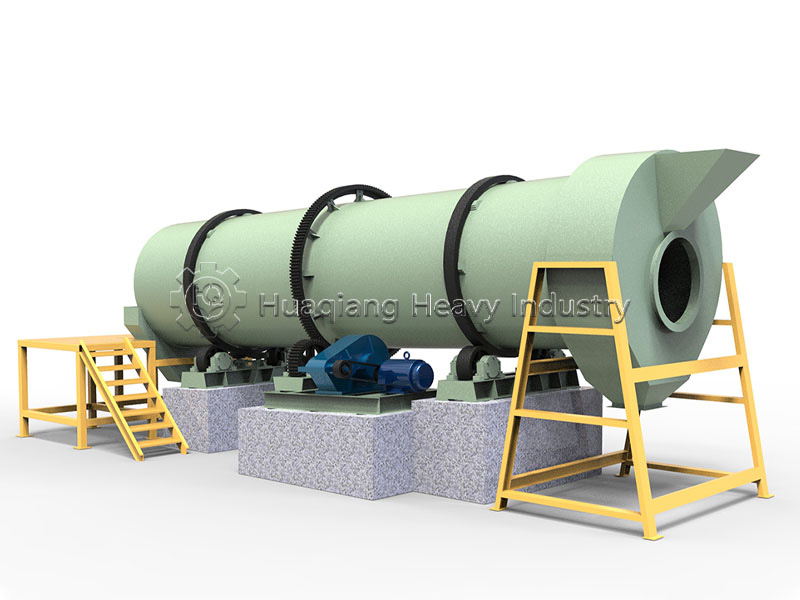
Organic fertilizer production equipment is the core support of organic fertilizer production, and its operational stability directly affects production efficiency and product quality. During long-term, high-intensity operation, organic fertilizer machine is prone to various malfunctions. Mastering scientific solutions can effectively reduce downtime losses. The following are the causes and solutions for several common malfunctions.
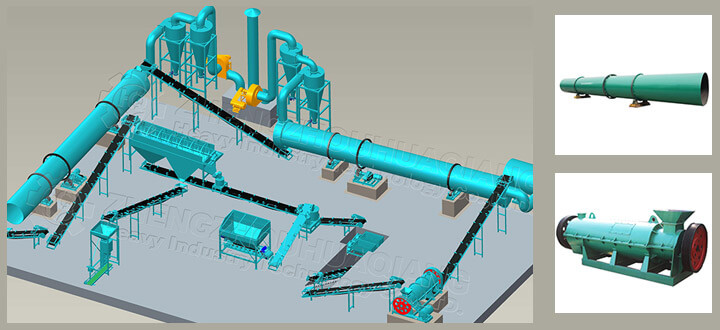
Abnormal equipment vibration is one of the high-frequency malfunctions, often caused by loose parts, imbalance, or bearing damage. To solve this, first shut down and disconnect the power, check the fastening bolts of key components such as the crusher and granulator, and tighten any loose parts; if the rotating parts such as the rotor and drum are unbalanced, dynamic balancing correction is required; if the bearings are overheating or making abnormal noises, it indicates wear or lack of lubrication, and lubricating grease should be added promptly; in severe cases, the bearings should be replaced.
Substandard material processing, such as poor granulation and uneven crushing particle size, is usually related to the material moisture content and mismatched equipment parameters. For poor granulation, the material moisture content needs to be checked and adjusted to a suitable range of 40%-60%, and the granulator die holes should be checked and any blocked holes cleaned; for uneven crushing particle size, check whether the screen is damaged and whether the hammer blades are worn, replace damaged parts and adjust the feeding speed to ensure even feeding.
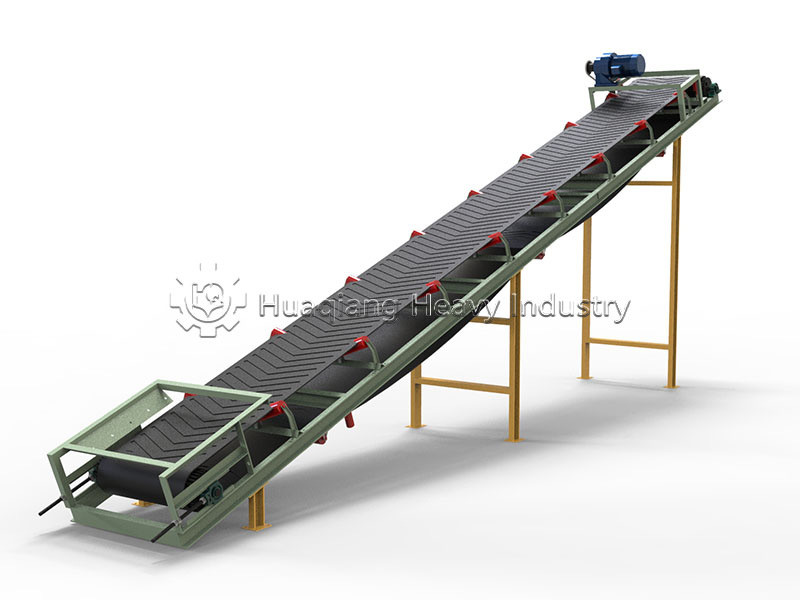
Motor overload shutdown is also a common problem, often caused by excessive load or circuit failure. First, check if there is material blockage in the equipment, and clean the inlet and outlet channels; if it is a circuit problem, check whether the voltage is stable and whether the wiring is aging, and repair the circuit promptly; if the load is normal but still overloaded, the transmission system needs to be checked to eliminate problems such as overtightened belts and gear jamming.
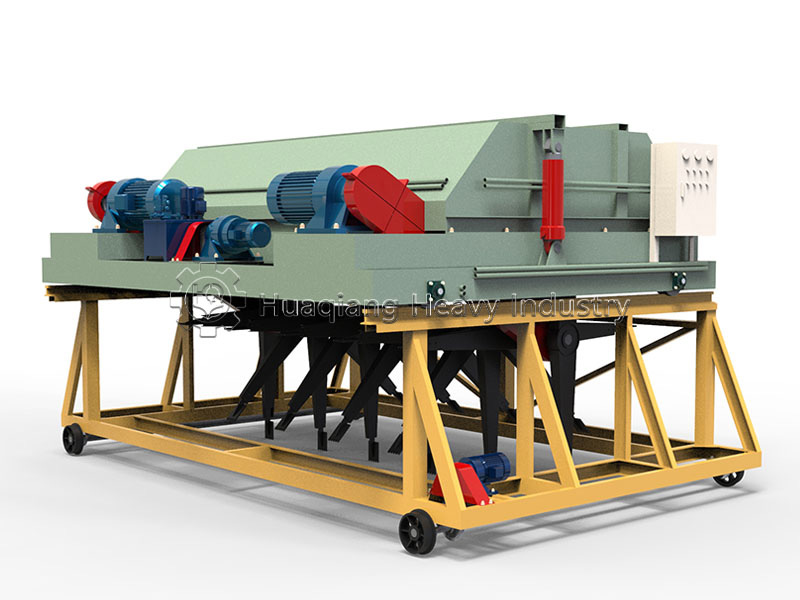
Prevention is better than repair. A regular maintenance mechanism should be established, including regular cleaning of equipment, checking for component wear, and replenishing lubricating grease. At the same time, standardize the operation procedures of the organic fertilizer making machine to avoid overloading. Through scientific maintenance and accurate troubleshooting, the failure rate of organic fertilizer equipment can be significantly reduced, ensuring smooth production.



.jpg)