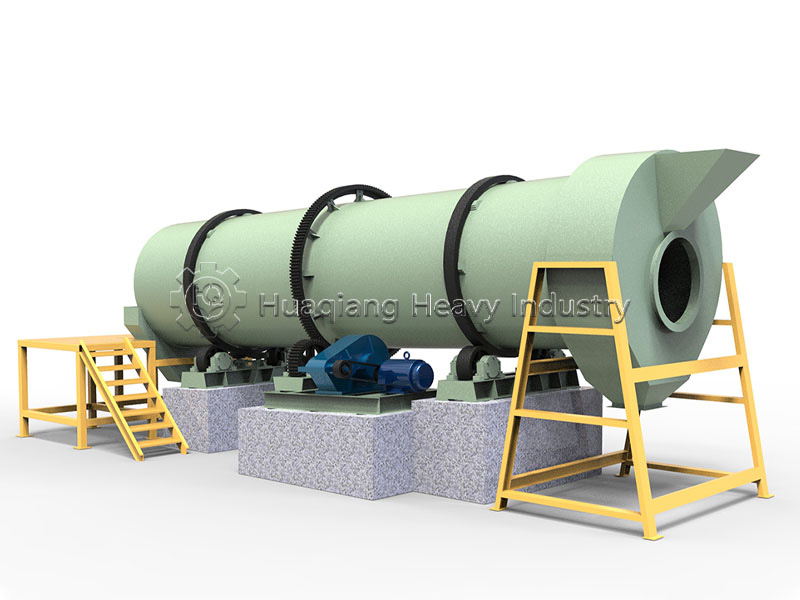
In organic fertilizer production lines, equipment maintenance costs directly impact a company's operational efficiency and market competitiveness, and are a core component of operating expenses. Effectively managing maintenance costs not only significantly improves equipment operational stability and efficiency, and extends equipment lifespan, but also effectively reduces unnecessary expenses and enhances overall corporate profitability. Reducing organic fertilizer production equipment maintenance costs is not simply about cutting spending, but requires a focus on the entire equipment lifecycle management, from initial selection and daily operation and maintenance to fault handling, precisely targeting multiple key links to build a systematic cost control system.
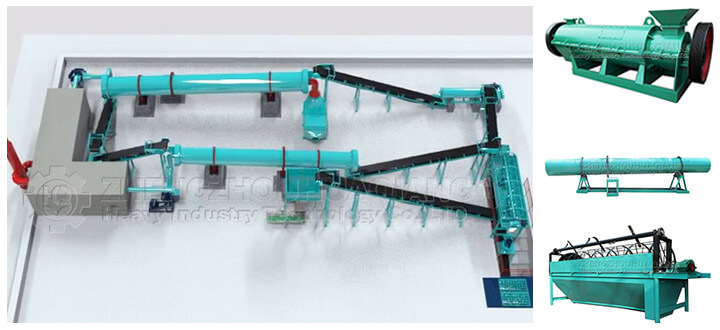
Scientific equipment selection is the fundamental prerequisite for reducing maintenance costs. Companies need to accurately select suitable equipment models and specifications based on their production scale and the physical and chemical characteristics of raw materials (such as livestock manure, straw, etc.). Priority should be given to models with reliable quality, mature technology, and a good market reputation. Such equipment not only has a lower failure rate, but also has strong parts interchangeability and convenient procurement channels, which can significantly reduce the cost and waiting time for customized parts. At the same time, it is recommended to use modern equipment with intelligent monitoring and data acquisition functions. By real-time monitoring of key parameters such as equipment speed, temperature, and vibration, abnormal signals can be detected in a timely manner, providing data support for precise maintenance and avoiding ineffective spending caused by blind repairs.
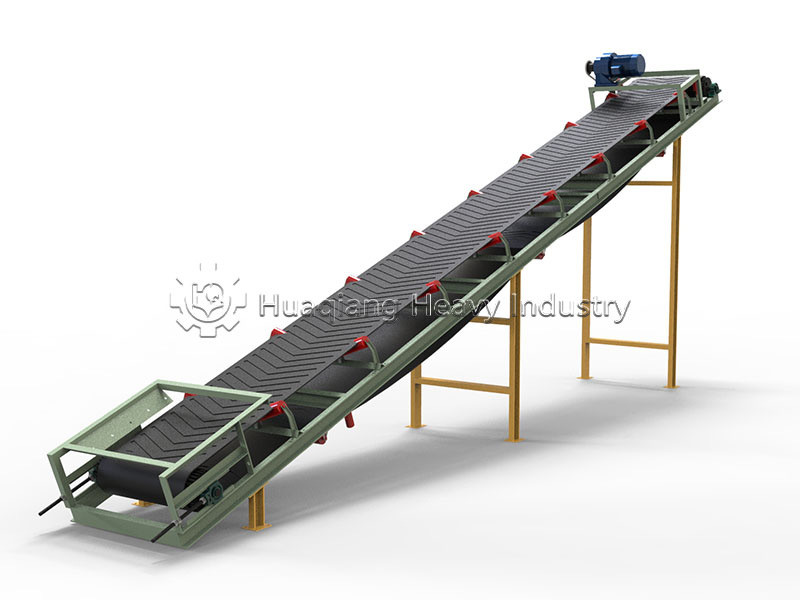
Daily meticulous maintenance is a key measure for controlling maintenance costs. Companies need to establish and improve equipment maintenance management systems, clarifying the maintenance cycle, specific content, and responsible personnel for each type of equipment (such as crushers, fermentation tanks, conveyors, granulators, etc.), and assigning maintenance tasks to specific positions and individuals. Regularly carry out basic maintenance work such as cleaning, lubrication, tightening, and adjustment of organic fertilizer machine. For example, promptly remove material residue and impurities from the crusher to prevent component wear and jamming; strictly replace the lubricating oil with the appropriate model according to the equipment manual to reduce friction loss of transmission parts. Although daily maintenance requires a certain amount of manpower and resources, it can effectively prevent equipment failures and avoid downtime losses and high repair costs caused by sudden failures.
Optimizing fault handling procedures is also indispensable. Establish equipment failure archives, recording failure types, causes, and solutions, summarizing experience and patterns, and preparing spare parts for easily damaged components in advance to shorten downtime. At the same time, we are implementing preventive maintenance, using regular inspections and data analysis to predict potential failures, shifting maintenance from "reactive repair" to "proactive prevention," and reducing losses caused by equipment failures. In addition, we are strengthening operator training to improve their ability to operate equipment correctly, reducing equipment damage caused by human error and controlling maintenance costs at the source.



.jpg)