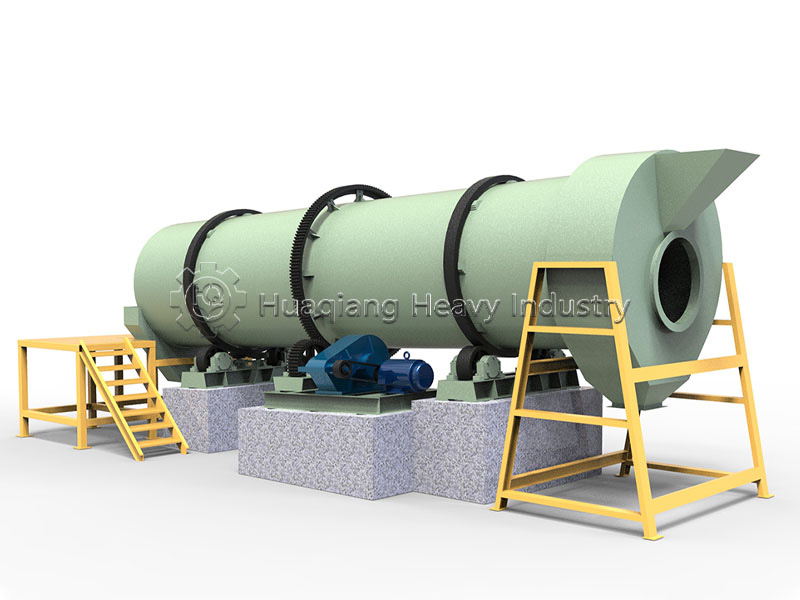
The maintenance cycle for organic fertilizer production equipment is not a fixed value, but rather the result of scientific calculations based on multiple factors, including the characteristics of the organic fertilizer machine, operating conditions, and material properties. Determining a reasonable cycle is crucial for ensuring production continuity and reducing failure rates. The core logic lies in "maintenance on demand," avoiding both excessive maintenance that increases costs and insufficient maintenance that leads to accelerated equipment wear.
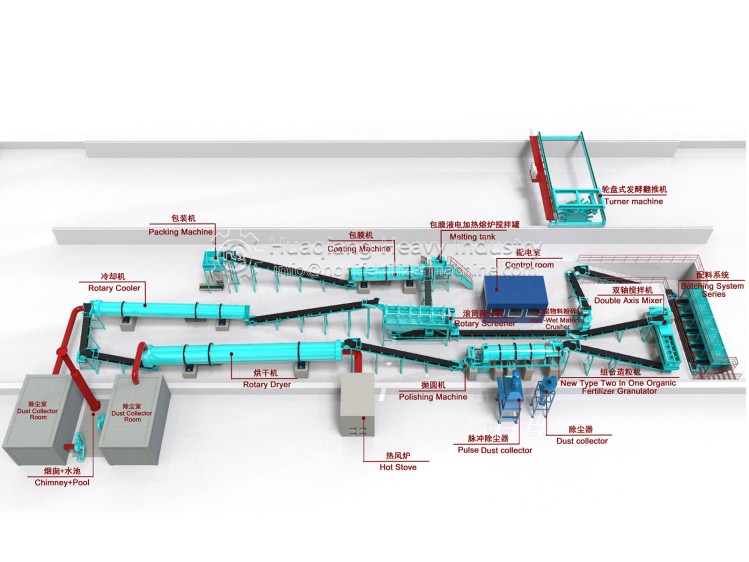
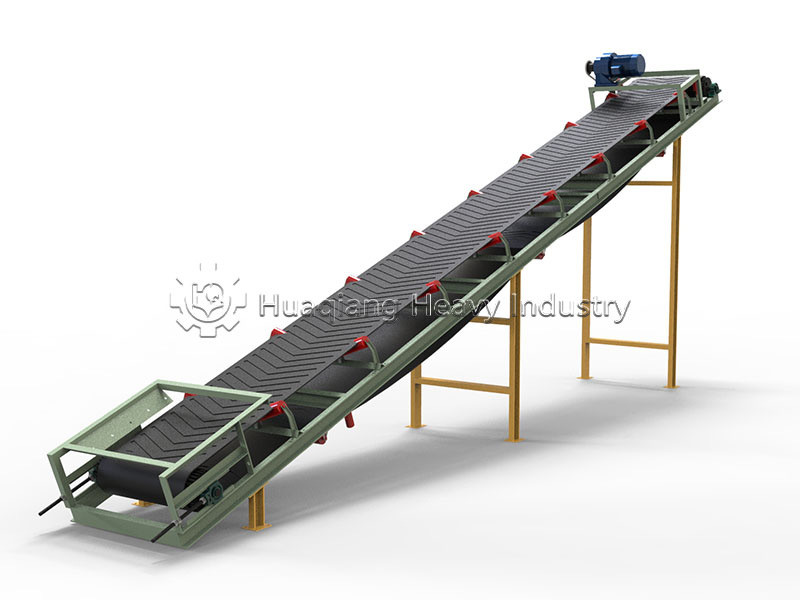
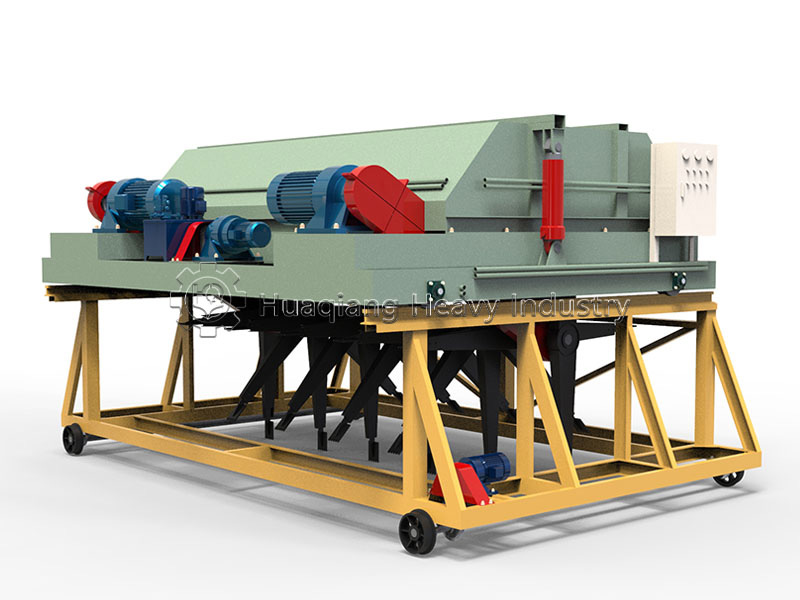
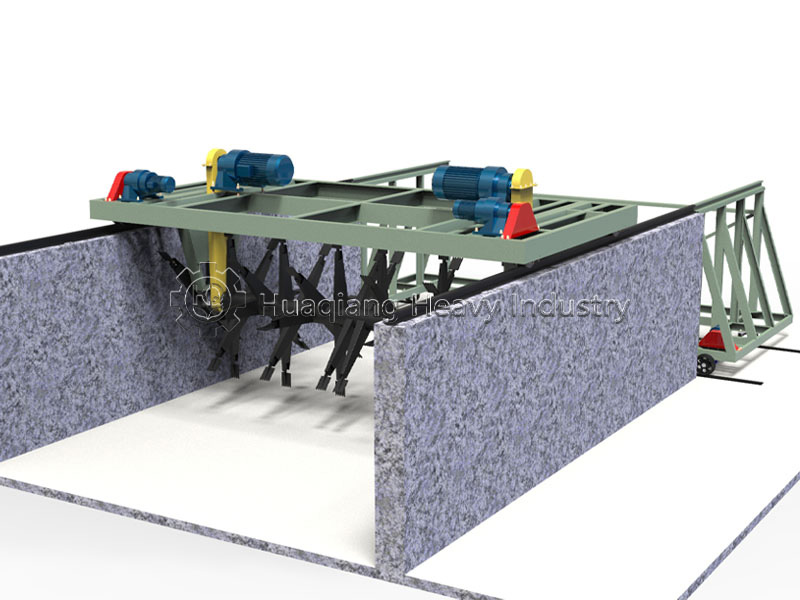
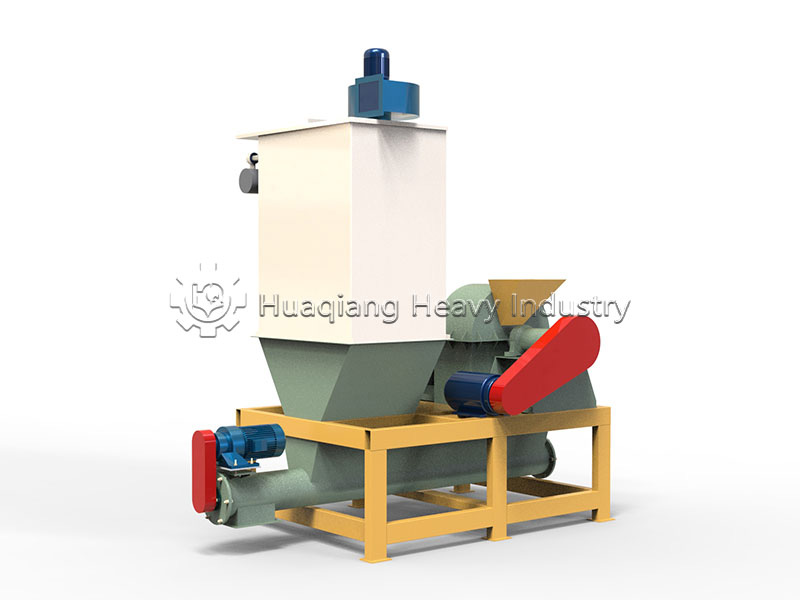
Equipment type is the basic basis for determining the maintenance cycle. Different types of equipment have significantly different wear patterns: core crushing equipment (such as crushers) is prone to blade wear and bearing overheating due to long-term material impact, and the maintenance cycle is usually 10-15 working days, with a focus on checking the condition of wear parts; fermentation and turning equipment is subject to humus corrosion, requiring weekly inspections of hinges and transmission components, and monthly comprehensive maintenance; conveying equipment (belt conveyors, screw conveyors) has a maintenance cycle of 20-30 working days, based on conveyor belt wear and motor load, focusing on tension adjustment and lubrication maintenance.
Workload and production environment directly affect cycle adjustments. For production lines operating at full capacity continuously, equipment component fatigue and wear accelerate, requiring a 30%-50% reduction in the maintenance cycle; if the production environment has high dust levels and humidity, it will accelerate the aging of motors and electrical components, requiring increased frequency of dust removal and moisture-proof maintenance. In addition, material characteristics should not be overlooked: when processing materials with high water content and strong corrosiveness, the equipment contact surfaces are prone to corrosion, and the maintenance cycle should be shortened by 10-15 working days compared to processing dry materials.
Determining the maintenance cycle also requires referencing the baseline values in the equipment manual for the organic fertilizer making machine and dynamically optimizing it based on actual production data. New equipment can initially follow the manufacturer's recommended cycle (usually 20-30 working days), while recording failure frequency and component wear rates; after 3-6 months of operation, the cycle can be fine-tuned based on actual data – if a certain piece of equipment frequently experiences bearing failures, the lubrication maintenance cycle can be shortened from 15 days to 10 days. In summary, determining the maintenance cycle for organic fertilizer production line equipment requires "basing it on fundamental characteristics and dynamically adjusting it according to working conditions." Through scientific calculation and practical optimization, the goal is to achieve a balance between stable equipment operation and maintenance costs.



.jpg)