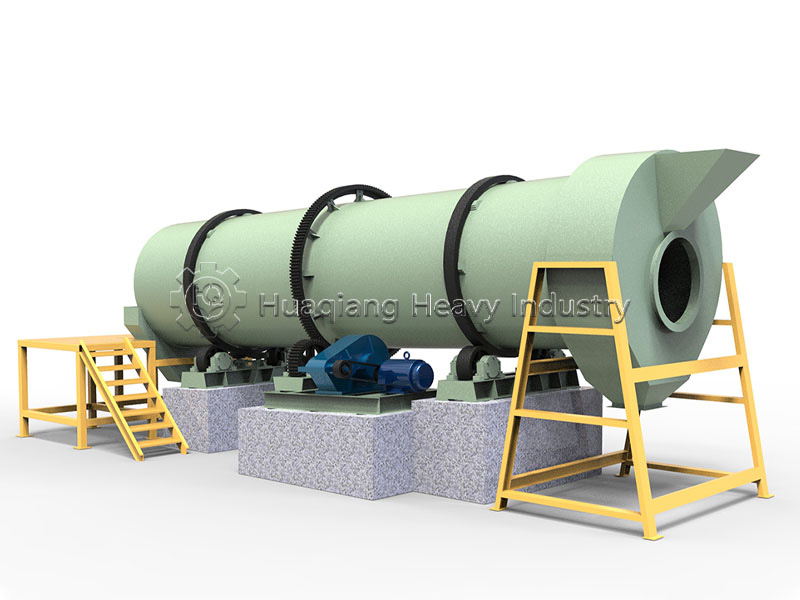
Organic fertilizer production lines are core equipment in the agricultural materials production field, and their operating status directly impacts production efficiency and enterprise profitability. To extend the service life of the production line, a comprehensive management system encompassing daily maintenance, standardized operation, and environmental protection is necessary to ensure the long-term stable operation of organic fertilizer production equipment.
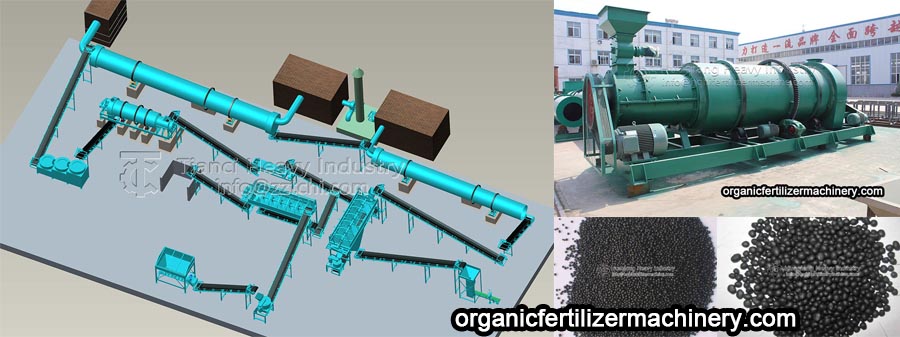
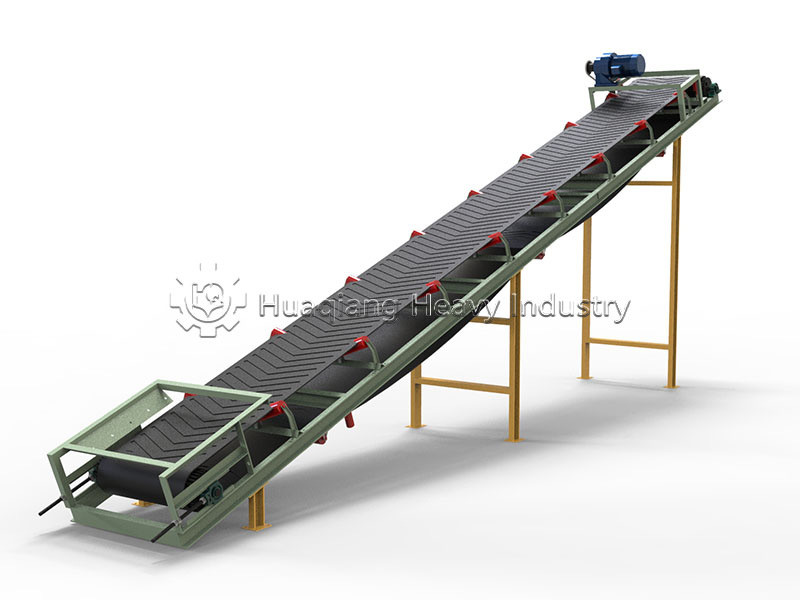
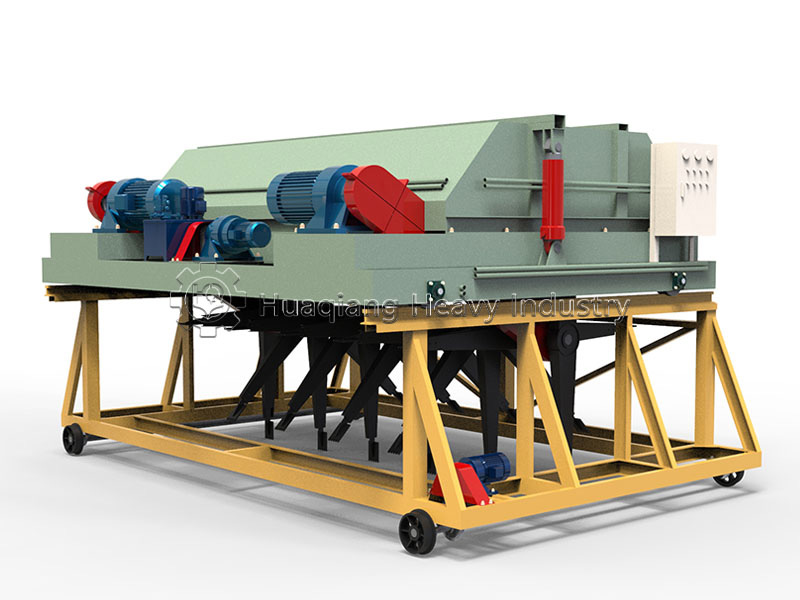
Proper daily cleaning and regular maintenance are fundamental prerequisites. The organic fertilizer production process generates a large amount of material residue and dust, which can easily accumulate on key components of equipment such as crushers, granulators, and conveyors. Companies should establish a daily cleaning system, promptly cleaning residual materials on the surface and inside the equipment after production to prevent corrosion of components or blockage of pipelines. At the same time, lubricating oil should be replaced regularly and wear parts, such as the molds of organic fertilizer granulation machines and the blades of crushers, should be inspected according to the equipment manual. Worn parts should be replaced promptly to prevent minor malfunctions from escalating into major problems.
Standardized operating procedures are crucial for reducing equipment wear and tear. Many equipment failures stem from improper operation. For example, fluctuating feeding speeds can overload the crusher motor; failure to feed materials according to the specified ratio may cause the granulator to clog, accelerating equipment aging. Therefore, companies need to provide professional training to operators, clearly define the operating standards for each piece of equipment, and require employees to strictly follow procedures for starting and stopping equipment and controlling feeding amounts, eliminating equipment damage caused by improper operation.
Strengthening environmental protection is also crucial. Organic fertilizer production lines are often located in humid and dusty workshop environments, making metal components susceptible to rust and short circuits. Companies should ensure proper ventilation and dehumidification in the workshop and install dust covers and anti-rust coatings on key parts of the equipment. For electrical control systems, the insulation of the wiring should be checked regularly to prevent circuit failures caused by dust accumulation or humidity, ensuring the electrical safety of the equipment.
In addition, establishing equipment operation records is also very important. Detailed records of equipment operating hours, maintenance records, and maintenance status should be kept. Data monitoring can be used to predict equipment failures and implement preventive maintenance. By establishing a scientific management system, the service life of the organic fertilizer production line can be effectively extended, laying a solid foundation for reducing operating and maintenance costs and improving production stability for the enterprise.



.jpg)