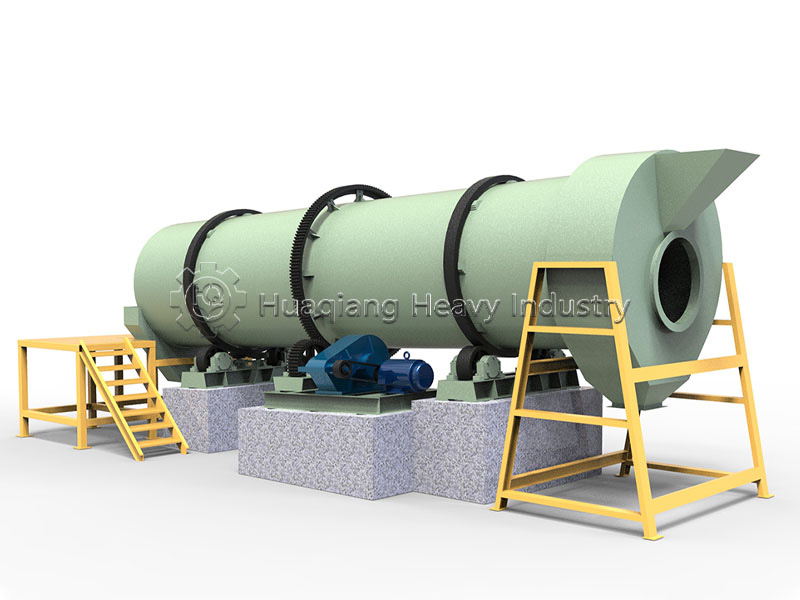
Organic fertilizer production equipment operates in a highly corrosive, high-load, and dusty environment, making it prone to aging issues such as component corrosion, structural deformation, and performance degradation. This not only affects the production efficiency of the organic fertilizer production line but also increases maintenance costs. Preventing equipment aging and deformation requires a comprehensive approach, including source control, daily management, and scientific operation and maintenance, building a full-process protection system to extend equipment lifespan and ensure stable and efficient production.
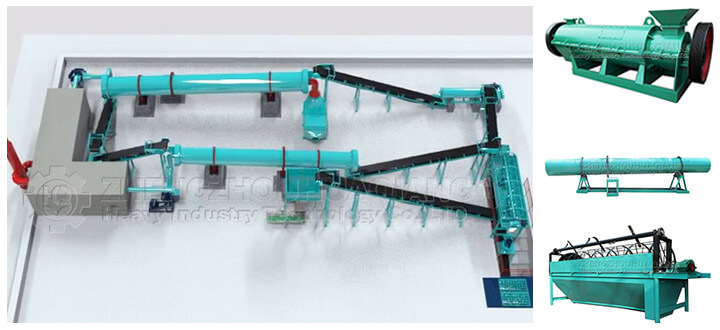
Source control and precise equipment selection are fundamental. The material of the equipment directly determines its resistance to aging and deformation, and must be selected rationally based on the characteristics of the raw materials. When processing high-salt materials such as kitchen waste, corrosion-resistant materials such as 304 and 316L stainless steel should be prioritized to avoid the rapid aging and deformation of conventional carbon steel due to corrosion. For ordinary organic fertilizer production, cost-effective conventional materials can be used, but proper surface anti-corrosion treatment is necessary. Simultaneously, selecting equipment with optimized structures, such as adding reinforcing ribs and optimizing welding processes, reduces stress concentration and minimizes fatigue damage caused by vibration.
Daily operation and maintenance, with standardized management, is crucial. Establish a routine cleaning mechanism, promptly cleaning residual materials inside and outside the equipment after each production run to prevent long-term adhesion of salts and organic acids that could corrode parts. Regularly add appropriate lubricating oil to bearings, chains, and other transmission components, and periodically check oil quality and level to reduce mechanical wear. Strengthen the inspection of fasteners, focusing on tightening bolts in critical components such as motors and reducers to prevent vibration from causing loosening and deformation; regularly replace vulnerable parts such as blades and screens to prevent damage that could affect overall equipment operation.
Scientific management and optimized operating conditions reduce losses. Strictly control production process parameters, setting reasonable temperature gradients in the drying process to prevent thermal fatigue deformation of metal components; set power thresholds through the PLC system to prevent equipment overload. Optimize the working environment, maintaining ventilation and dryness in the workshop, controlling humidity within a reasonable range to prevent accelerated equipment corrosion; install protective covers on exposed parts to prevent dust and rainwater intrusion.
Furthermore, strengthen operator training, standardize start-up, shutdown, and operating procedures to avoid equipment damage caused by misoperation. Establish equipment operation records to document maintenance status and fault information, achieving preventative maintenance. Only by taking multiple measures and implementing precise policies, focusing on aspects such as equipment selection, maintenance, and operating conditions, can we effectively delay the aging and deformation of organic fertilizer production equipment and provide a guarantee for the high-quality development of the organic fertilizer industry.


.jpg)