The core of purchasing an organic fertilizer production line is the scientific matching of equipment. It must not only fit the production process and match the production capacity, but also be suitable for the characteristics of the raw materials. Avoiding "using oversized equipment" or "capacity bottlenecks" is crucial for achieving efficient, environmentally friendly, and low-cost production. A reasonable equipment matching is key to improving the quality of organic fertilizer and reducing operating costs. Below, we share practical matching techniques based on the entire production process.
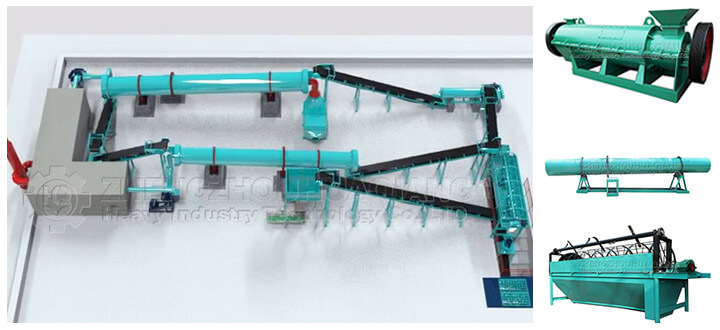
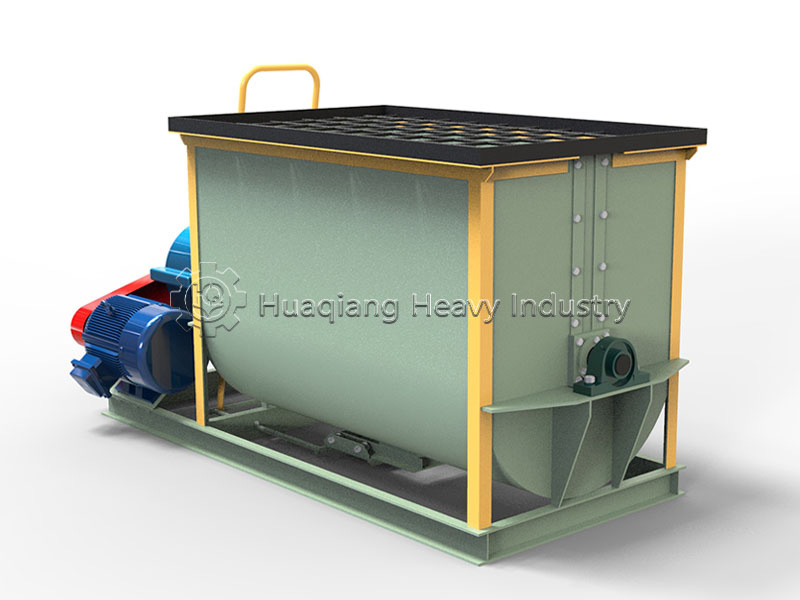
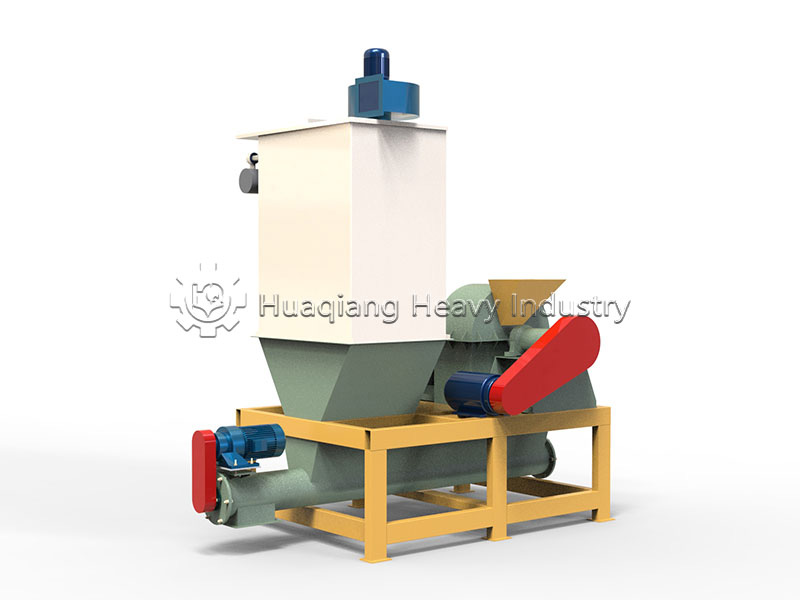
Equipment matching should follow three principles: "closed-loop process, capacity matching, and raw material matching," focusing on four core stages: "pretreatment—fermentation—post-processing—packaging." Equipment for each stage must be seamlessly integrated and indispensable. The pretreatment stage is fundamental and requires equipment matching based on the characteristics of the raw materials: high-moisture livestock and poultry manure requires a solid-liquid separator to reduce the moisture content to below 60%; straw-like raw materials require a straw crusher to crush them to 3-5cm to accelerate fermentation; various raw materials require a double axis paddle mixer to precisely mix them at a carbon-to-nitrogen ratio of 25:1 to 30:1 to ensure uniform fermentation.
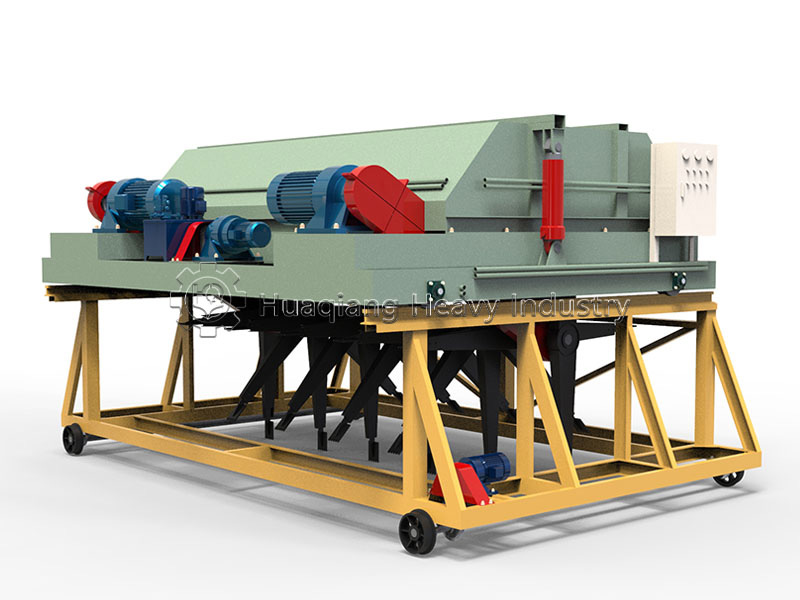
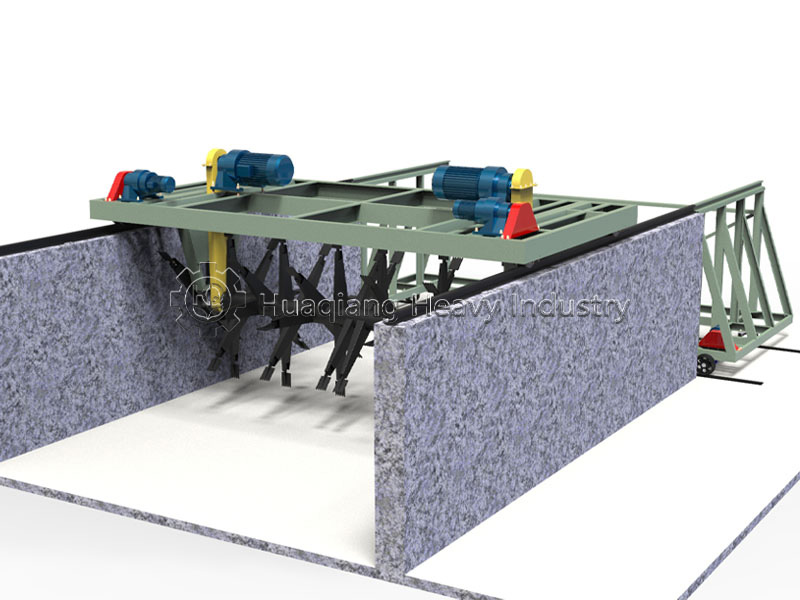
Fermentation is the core process, directly determining the maturity of organic fertilizer. Equipment selection must be based on production capacity. Small production lines can opt for windrow fermentation combined with a windrow compost turning machine, offering low investment costs and high flexibility. Medium and larger production capacities should prioritize trough-type aerobic fermentation equipment, paired with a hydraulic compost turning machine and aeration system, which can shorten the fermentation cycle by 30% and improve automation. Deodorization equipment is also necessary to ensure environmental compliance.
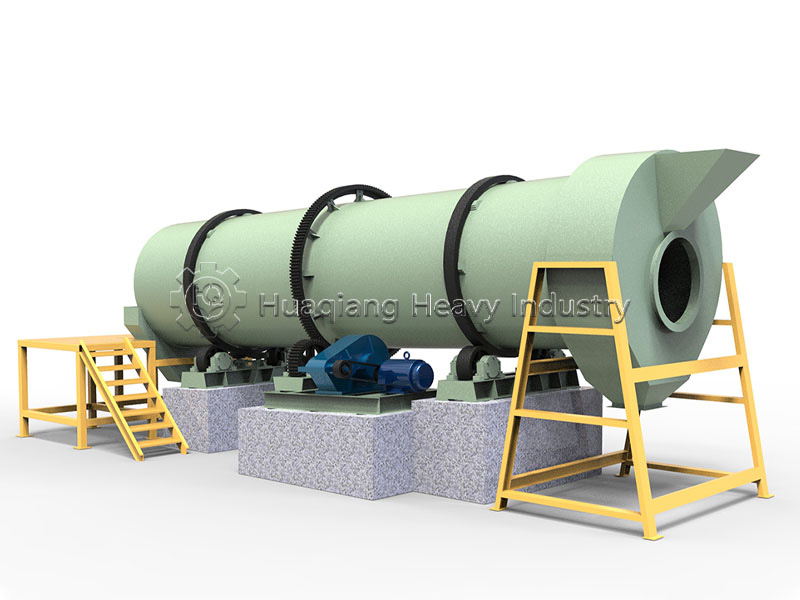
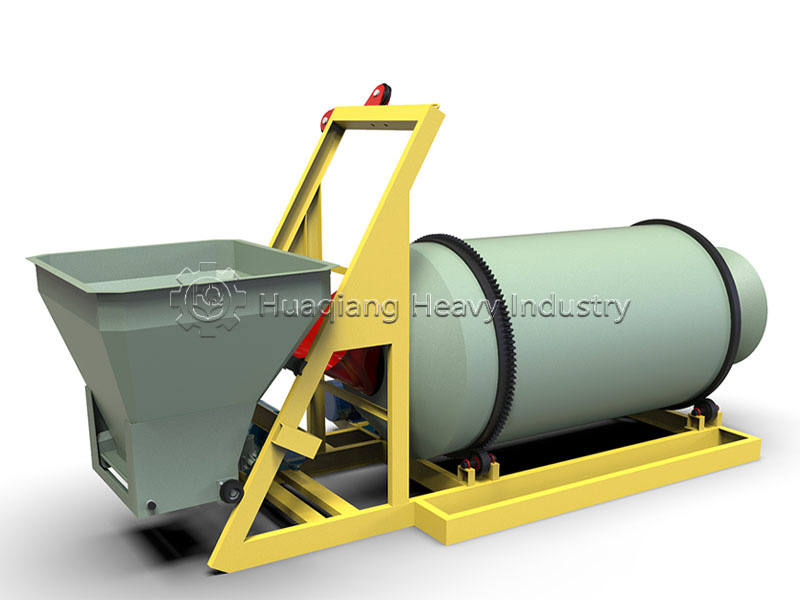
Post-processing and packaging determine the product's commercialization level and must be tailored to specific needs. Powdered organic fertilizer can be simplified, requiring only a drum screen to remove impurities. Granular organic fertilizer requires additional equipment such as a granulator, dryer, and cooler, with drying temperatures controlled below 80℃ to prevent the inactivation of beneficial microorganisms. Automatic quantitative packaging machines are preferred for packaging, improving efficiency and ensuring accurate measurement.
Furthermore, equipment selection must consider compatibility and scalability. Prioritize equipment from the same fertilizer machine manufacturer to ensure standardized interfaces and easy maintenance; allow for future capacity increases. Newcomers should not blindly pursue high-end equipment; small lines should streamline configurations to control costs, while medium and large lines should enhance automation and environmental protection equipment, tailoring the equipment to their specific needs. Only by scientifically matching equipment can organic fertilizer production lines operate efficiently and achieve a win-win situation in resource utilization and economic benefits.



.jpg)