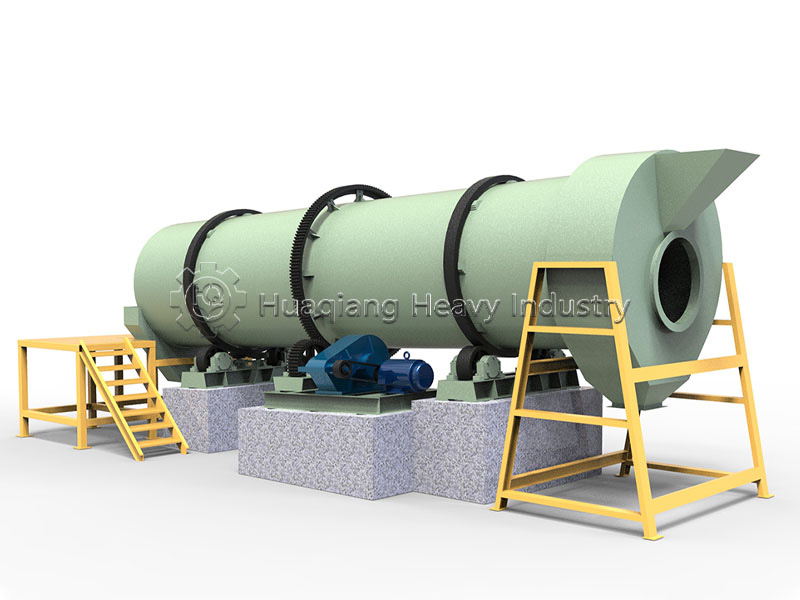
High-quality organic fertilizer is key to improving the quality and efficiency of modern agriculture, and the quality of production equipment directly determines the quality, capacity, and cost of organic fertilizer. Choosing suitable organic fertilizer production equipment, commonly known as organic fertilizer machine, requires comprehensive consideration of core dimensions such as actual needs, equipment performance, and technological adaptability to maximize production benefits.
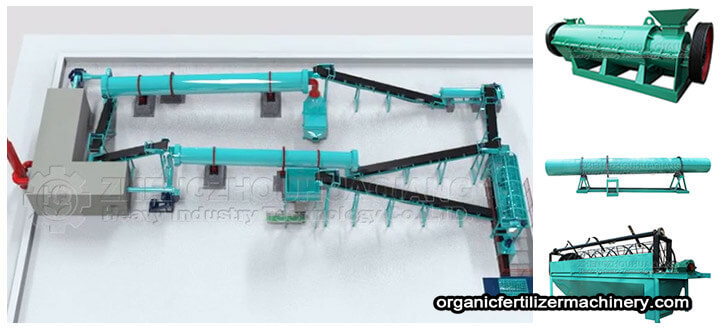
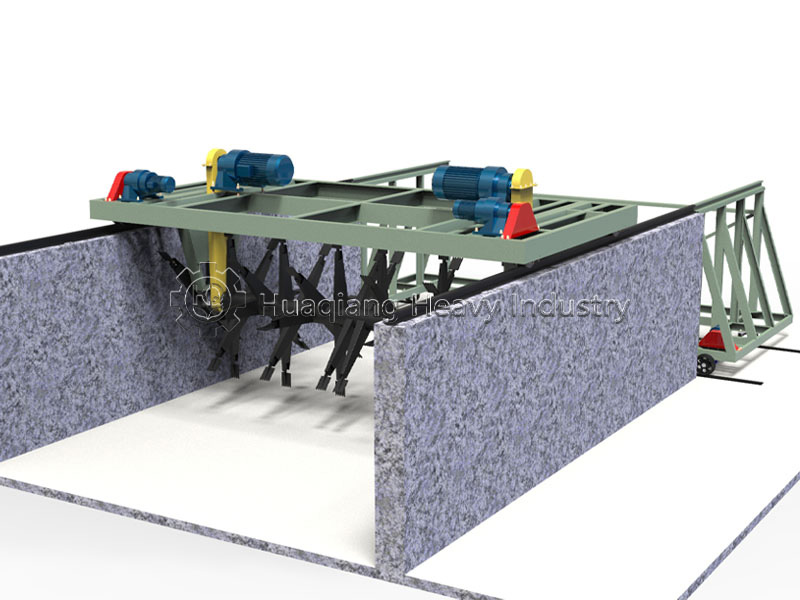
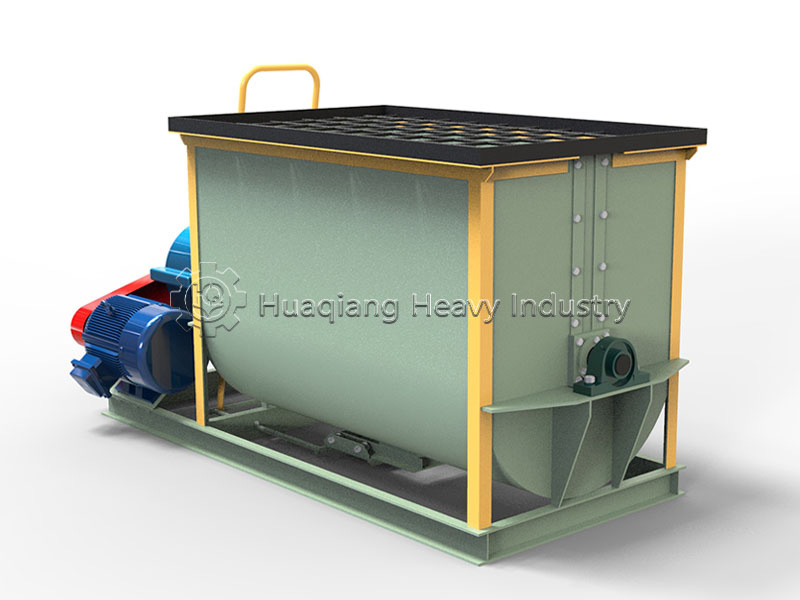
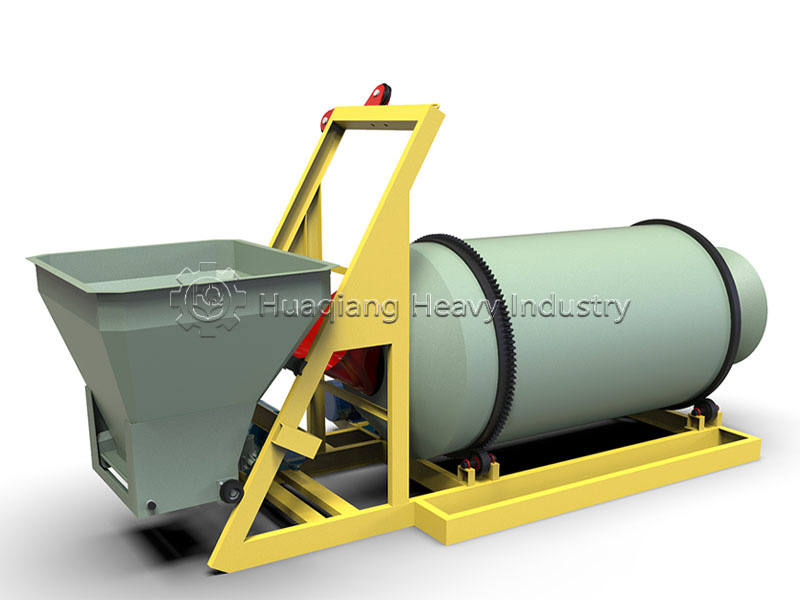
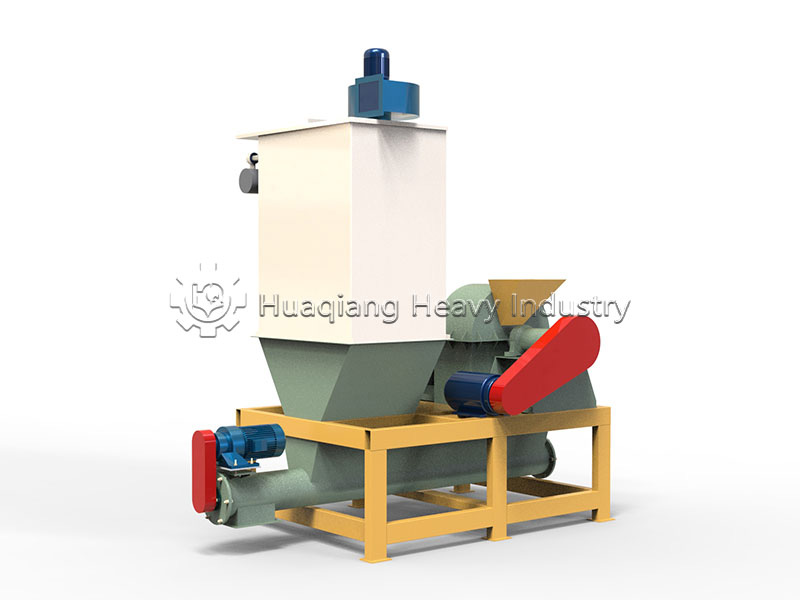
First, clarifying production needs is a prerequisite. Equipment configuration should be determined based on the scale of production capacity, raw material type (such as livestock manure, straw, kitchen waste, etc.), and finished product specifications (granular fertilizer, powdered fertilizer). Small-scale farmers can choose small integrated equipment to reduce investment; large-scale production lines require a complete set of equipment including fermentation, crushing, granulation, and drying to ensure a smooth process. At the same time, the characteristics of the raw materials directly affect equipment selection. For example, high-moisture raw materials require priority to be equipped with efficient dehydration equipment, while fibrous raw materials require attention to the crushing effect of the crusher.
Second, adhere to the bottom line of equipment quality. High-quality equipment should use wear-resistant and corrosion-resistant steel, especially for parts in contact with raw materials, to reduce wear and the frequency of failures. It's essential to check if the equipment has comprehensive quality certifications, conduct on-site inspections to assess its operational stability, and understand the ease and cost of replacing vulnerable parts. Furthermore, the completeness of safety protection devices is crucial, such as overload protection and dust/explosion-proof facilities, to ensure production safety.
Secondly, focus on technological advancement and environmental friendliness. Advanced fermentation technology can shorten the composting cycle and improve fertilizer efficiency, while intelligent control systems enable precise control and reduce labor costs. With increasingly stringent environmental requirements, equipment must possess efficient exhaust gas treatment and solid-liquid separation functions to prevent waste gas and wastewater pollution and ensure compliance with local environmental standards.
Finally, consider the manufacturer's strength and after-sales service. Choosing a fertilizer machinery manufacturer with strong R&D capabilities and rich production experience will provide professional selection guidance. Comprehensive after-sales service ensures timely maintenance and repair, minimizing production downtime.
Selecting organic fertilizer production equipment requires a balance of practicality, reliability, and environmental friendliness, precisely matching it to your specific needs to provide a solid guarantee for high-quality organic fertilizer production.

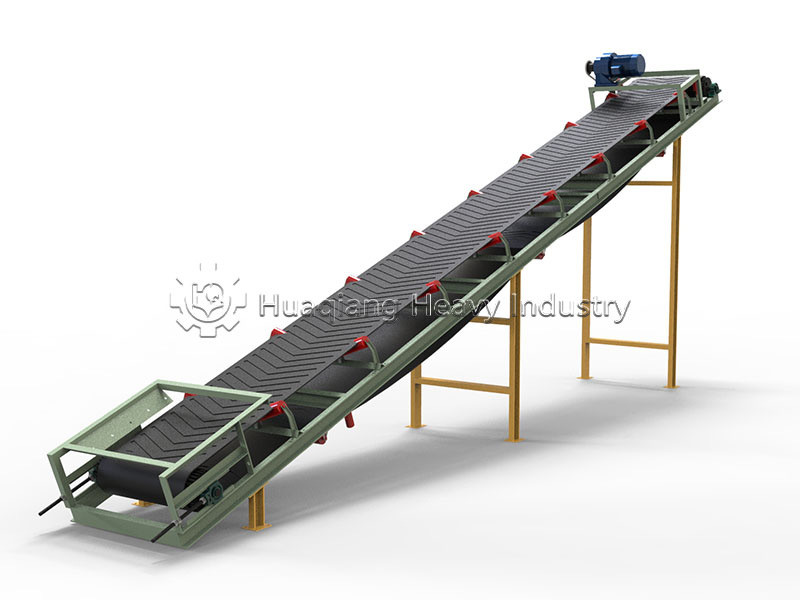

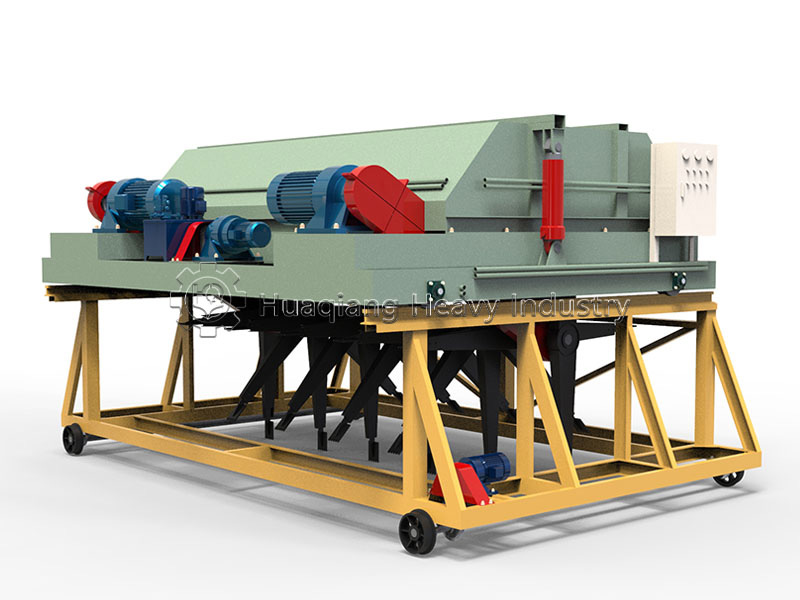

.jpg)