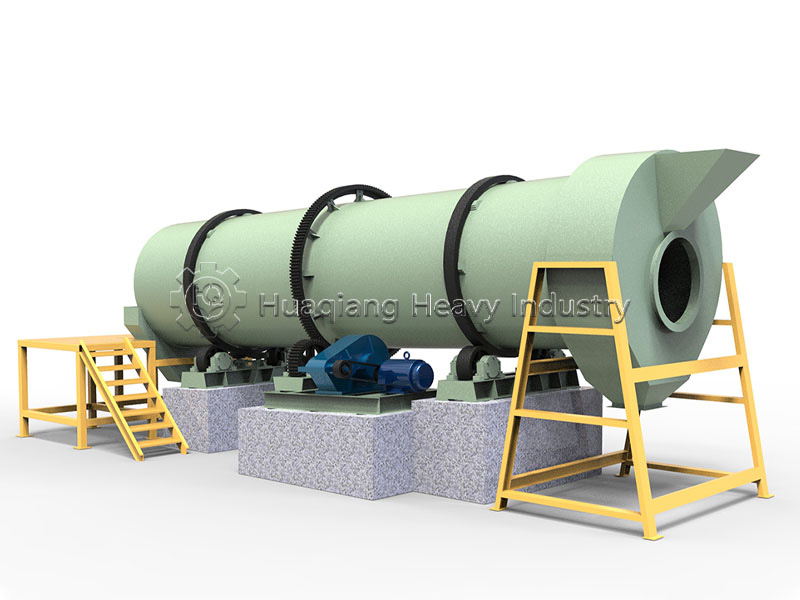
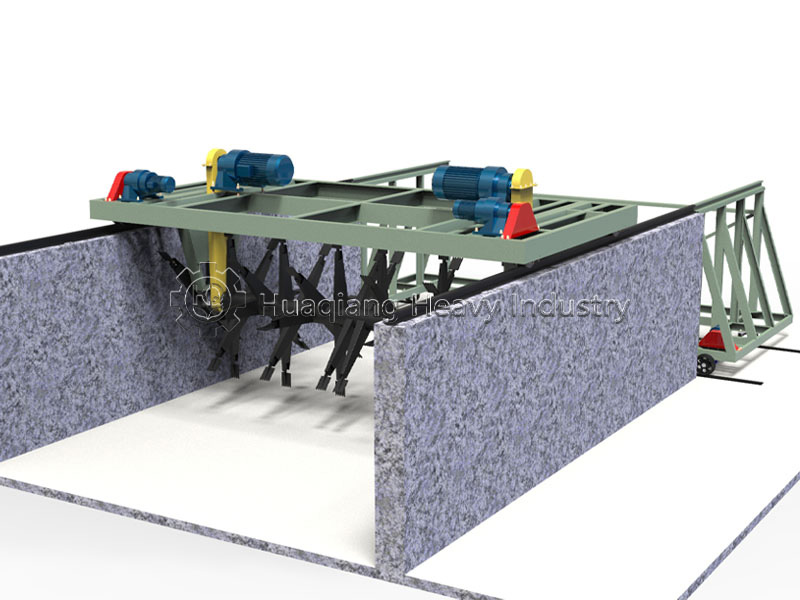
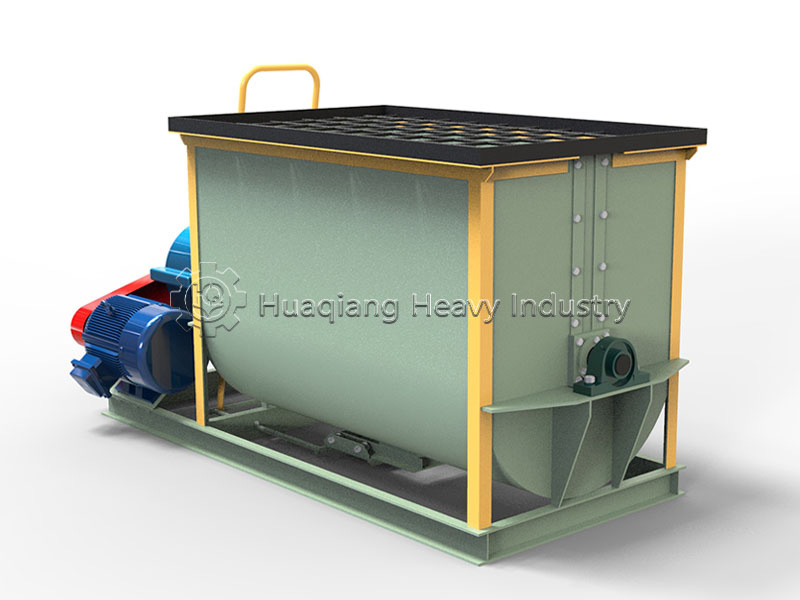
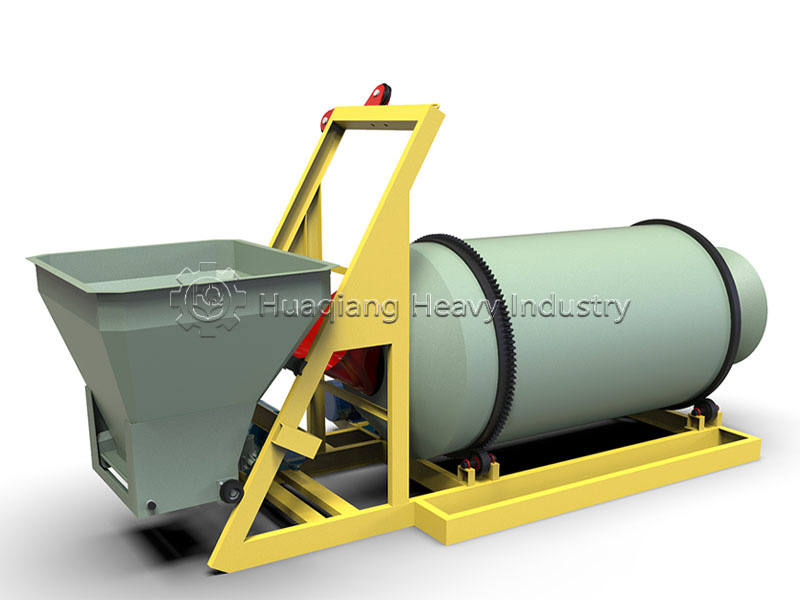
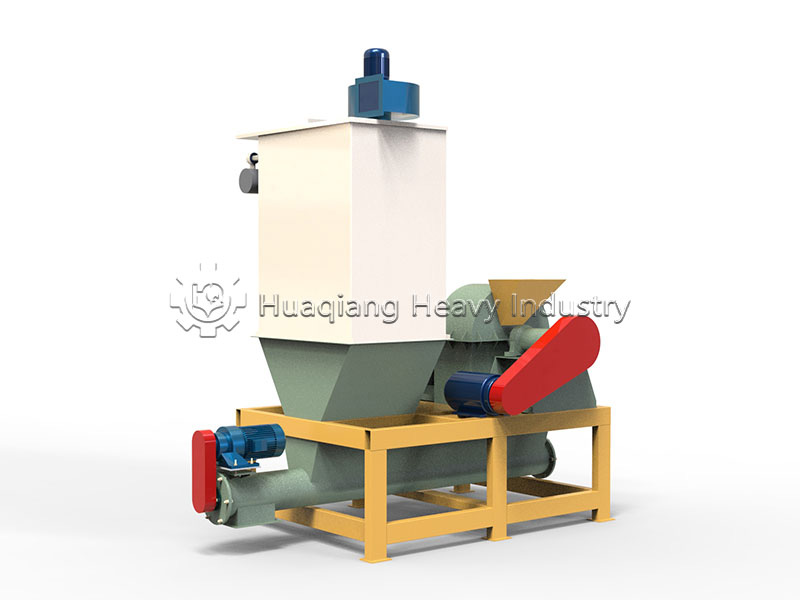
The raw materials used in organic fertilizer production—such as livestock and poultry manure or crop straw—are typically moist, adhesive, and corrosive. During long-term operation, equipment such as compost turners, crushers, granulators, and screening machines is highly susceptible to material buildup and wear. Implementing a scientific maintenance program can reduce downtime caused by malfunctions, extend the service life of the equipment, and ensure the continuous, stable operation of the organic fertilizer production line.
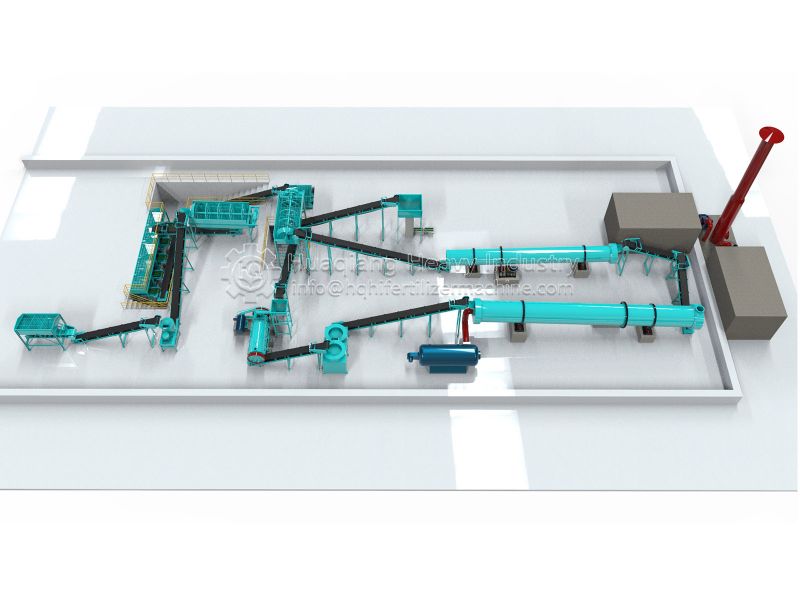
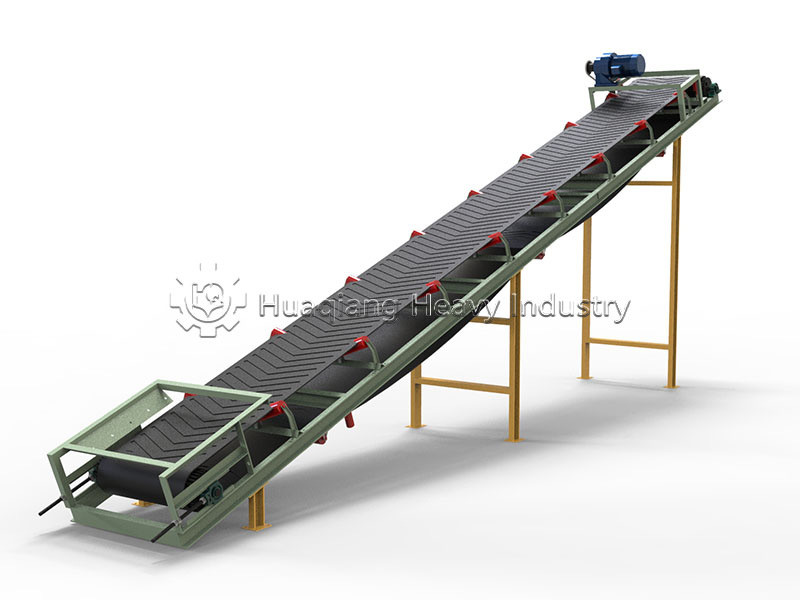
Daily cleaning is the foundation of equipment maintenance. At the end of each production shift, operators must promptly remove any residual material from equipment interiors, screens, roller surfaces, and conveyor belts. If left to accumulate, these residues can harden, ferment, corrode the machinery, and clog discharge outlets, negatively impacting subsequent production runs. During cleaning, pay special attention to clearing the holes in granulation dies and the mesh of screening surfaces. Additionally, remove dust from the surfaces of motors and control cabinets to prevent it from entering electrical components and causing short circuits. Proper cleaning helps prevent corrosion and clogging-related issues at the source.
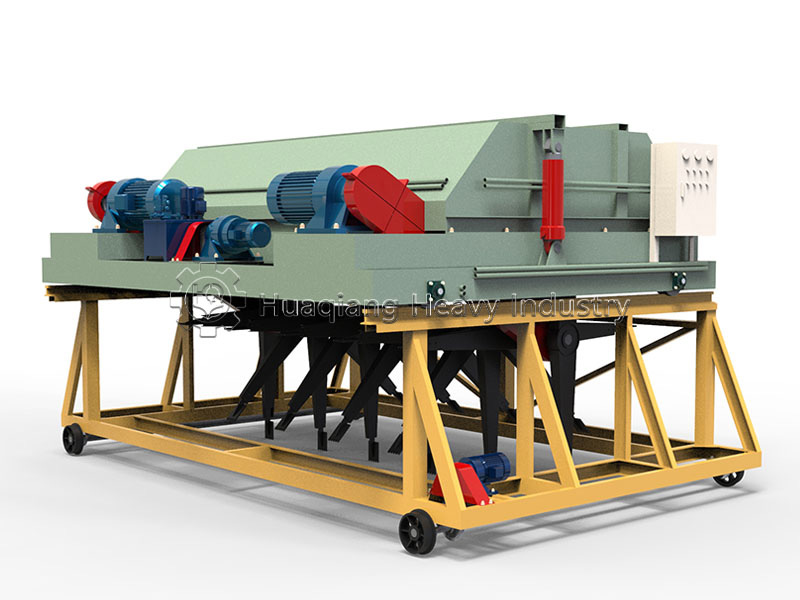
Lubrication is essential for minimizing mechanical wear. Transmission components—such as bearings, gears, chains, and gear reducers—are subjected to heavy loads; therefore, they must be lubricated regularly in accordance with the equipment manufacturer’s manual. Establish a routine of checking oil levels daily and lubrication status weekly, and ensure that gear reducer oil is changed at the prescribed intervals. Never mix different types of lubricants, as operating components without sufficient oil (dry running) will lead to rapid damage. For heavy-duty equipment like compost turners and crushers, monitor bearing temperatures closely and shut down the machinery immediately if any abnormalities are detected.
Conduct regular inspections of wear-prone parts to facilitate proactive replacement. Components such as hammer heads, turning tines, granulation rollers, and screens are consumables that undergo continuous wear during production. Implement a weekly and monthly inspection system: check chain tension and the tightness of fasteners every week, and perform a comprehensive assessment of wear-resistant parts every month. Replace any components that exceed wear limits to prevent breakage, which could lead to more extensive equipment damage. Furthermore, inspect welds and seals, and regularly clean the filter elements in hydraulic systems to ensure the hydraulic fluid remains clean. The maintenance of electrical systems must not be overlooked. Production workshops often feature high levels of dust and humidity, which can accelerate the aging of electrical wiring. Wiring and terminals should be inspected monthly; loose connections must be tightened, and electrical control enclosures must be kept sealed and dust-proof. During maintenance shutdowns, the power supply must be disconnected. Strict adherence to safety protocols is essential to prevent accidents caused by performing maintenance on live equipment.
Maintenance of organic fertilizer production equipment should not rely solely on reactive, emergency repairs. Enterprises should establish comprehensive maintenance logs to record every instance of servicing, repair, or parts replacement, with designated personnel assigned to oversee these tasks. By combining routine daily upkeep with scheduled periodic overhauls, companies can minimize unexpected downtime, reduce production costs, and ensure the consistent, stable output of high-quality organic fertilizer.



.jpg)