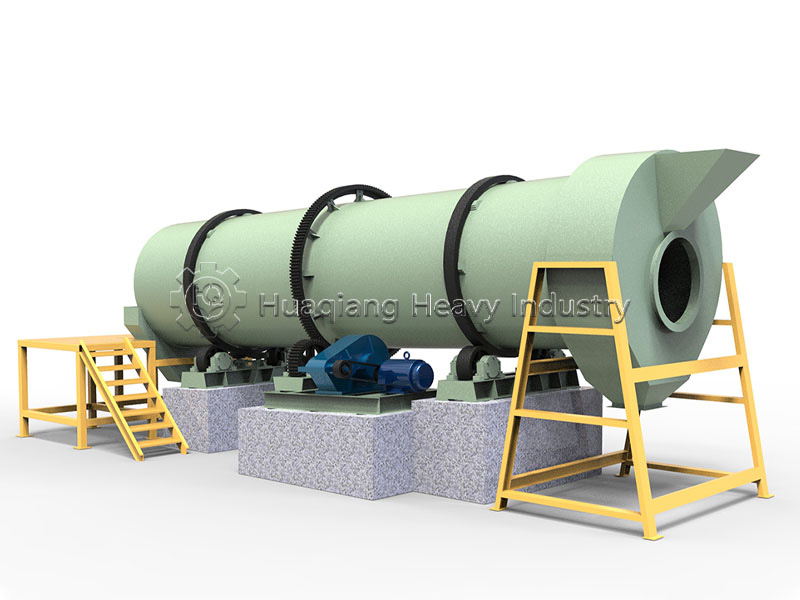
Powdered organic fertilizer is a core agricultural input for improving soil and supporting green agriculture. Modern powdered organic fertilizer production lines rely on automated equipment to efficiently convert agricultural waste such as livestock manure and crop straw into compliant, high-quality organic fertilizer. The entire process is standardized, environmentally friendly, and efficient, achieving resource utilization of waste. The entire production line operation is mainly divided into four core stages: pretreatment, high-temperature fermentation, crushing and screening, and finished product packaging.
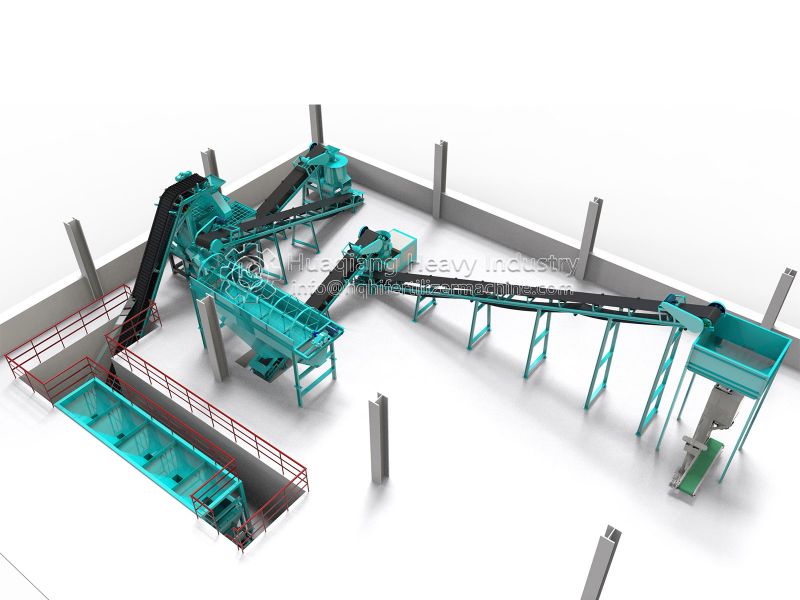
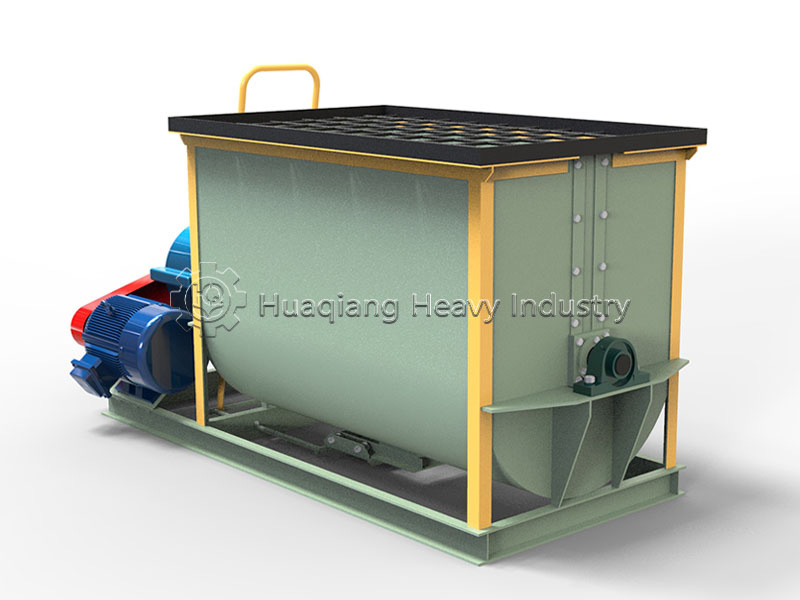
Raw material pretreatment is the foundation of production. The production line first screens raw materials such as livestock manure, straw, and kitchen waste, removing impurities such as stones and plastics. Then, auxiliary materials are mixed according to the formula, adjusting the material moisture content to about 45%, achieving the standard of forming a clump when squeezed but crumbling easily when released. The mixed material is then thoroughly stirred in a mixer to ensure consistent raw material composition and moisture content, laying a solid foundation for subsequent full fermentation and avoiding problems such as uneven fermentation and incomplete decomposition.
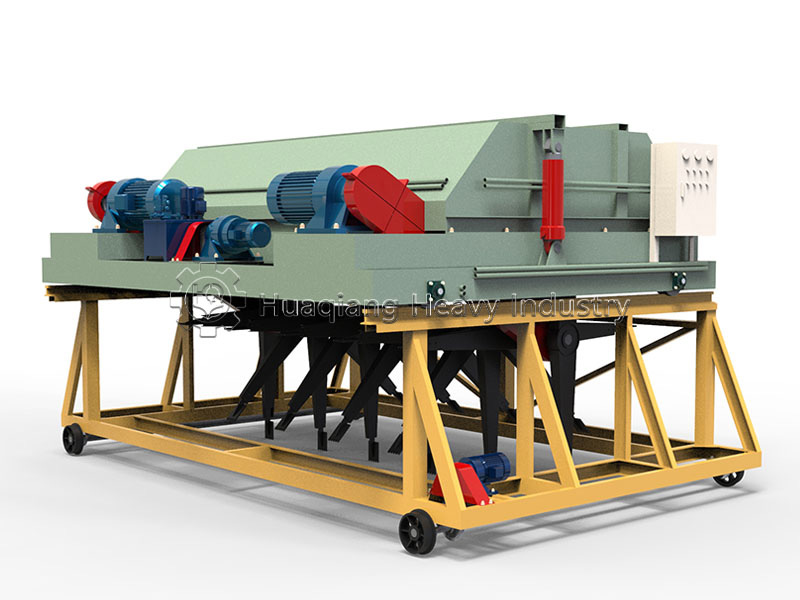
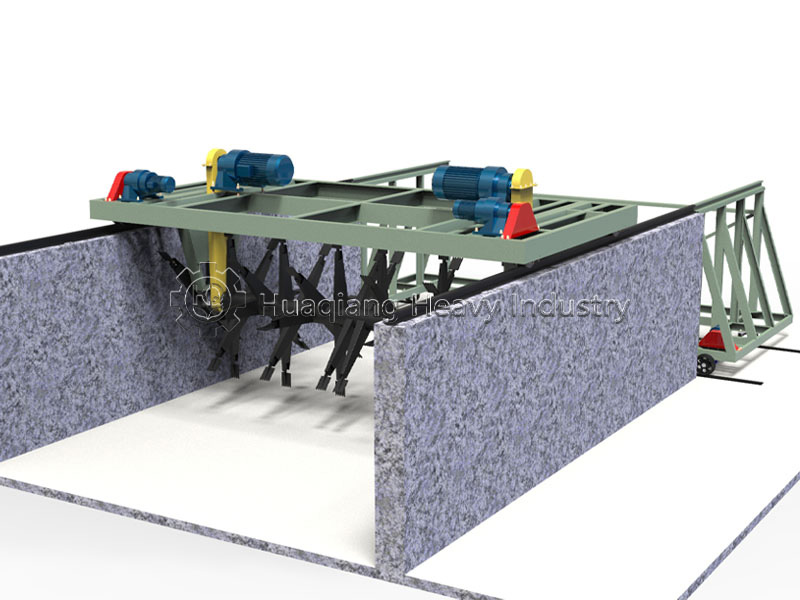
High-temperature decomposition and fermentation is the key process that determines fertilizer quality. The proportioned materials are fed into the fermentation tank and turned every 2 to 3 days using a large wheel compost turner to ensure ventilation and oxygen supply. The temperature is maintained stably between 55℃ and 70℃ for 15 to 30 days. This high-temperature environment effectively kills pathogens, insect eggs, and weed seeds in the materials, thoroughly decomposes organic matter, and completes the harmless and matured process. The matured material is dark brown, odorless, and has a stable pH, meeting organic fertilizer production standards.
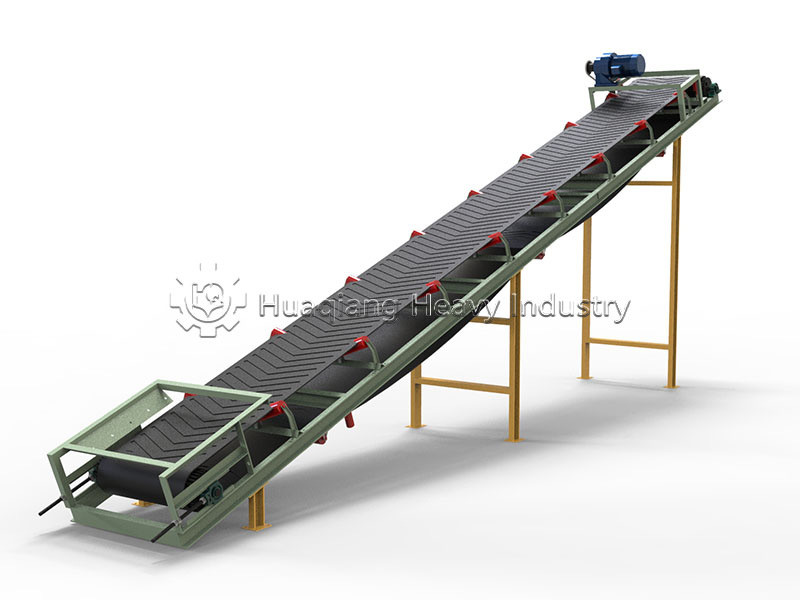
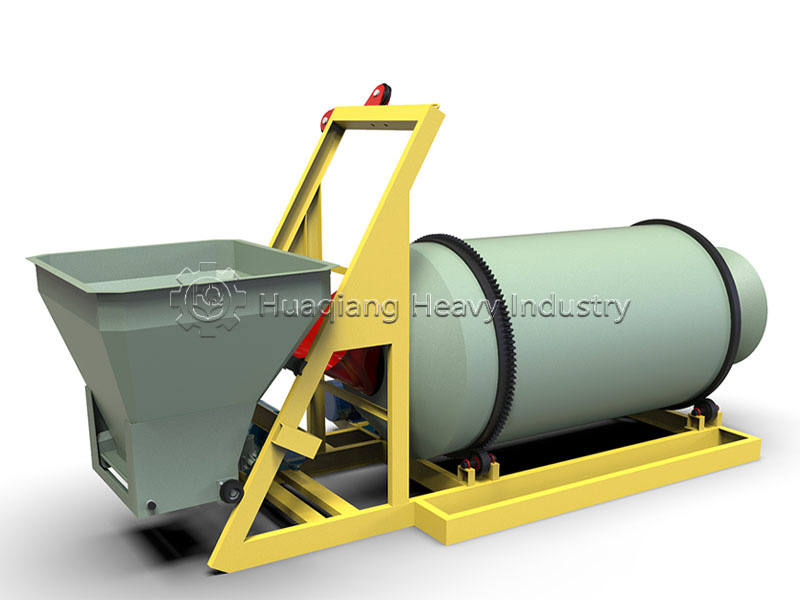
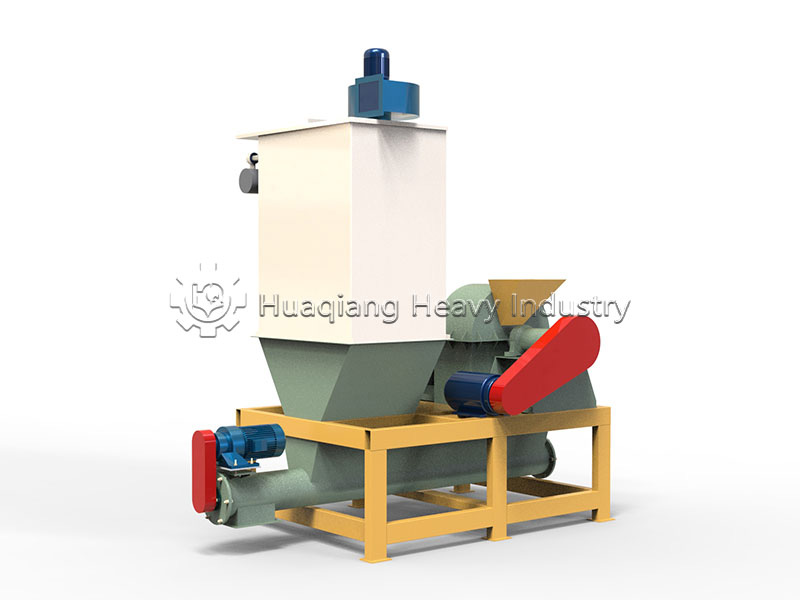
Crushing and screening are the core steps in refining and purifying the material. Matured materials are prone to clumping, so they need to be fed into a half-wet material crusher for fine crushing, processing the lumps into a fine powder. The crushed material is automatically conveyed to a drum screen to screen out qualified powdery raw materials. Coarse particles and incompletely crushed lumps are separated and returned to the crusher for secondary processing, ensuring uniform particle size and consistent quality in the finished product.
Finally, the material enters the automated packaging stage. Qualified powdered organic fertilizer is conveyed into an packaging machine. The machine accurately measures, automatically seals, and packages the fertilizer, and can customize bag sizes according to requirements. The entire production line is fully automated and interconnected, with close integration of processes, requiring minimal manual intervention. This improves production efficiency and ensures stable fertilizer quality, meeting the needs of modern agriculture's green and circular development.



.jpg)