Fermentation is the core process in organic fertilizer production, directly determining the quality of decomposition, the production cycle, and the final product yield. Traditional organic fertilizer fermentation suffers from issues such as long cycles, uneven decomposition, and strong odors; conventional natural composting can take 60 to 90 days, limiting production line capacity. To enhance the overall efficiency of organic fertilizer production lines, optimization must occur across multiple dimensions—including raw material processing, the use of microbial inoculants, equipment regulation, and process control—to comprehensively boost fermentation efficiency.
Optimizing raw material ratios and pretreatment is the foundation of efficient fermentation. Raw materials like livestock manure and crop straw often have unbalanced carbon-to-nitrogen (C/N) ratios, excessive moisture, or high impurity levels, all of which inhibit microbial activity. Production requires precise material blending to maintain a C/N ratio within the optimal range of 25:1 to 30:1; adding carbon-rich materials like straw or sawdust helps balance the high nitrogen content of manure and prevents ammonia volatilization. Simultaneously, screening and crushing equipment should be used to remove impurities and adjust moisture content to 55%–65%, ensuring the material remains loose and breathable—thereby creating favorable conditions for microbial reproduction and decomposition.
Introducing specialized fermentation inoculants can significantly accelerate the decomposition process. Natural fermentation relies on indigenous microorganisms, which often exhibit weak activity and slow reproduction. Adding high-temperature fermentation agents—such as EM bacteria or *Bacillus subtilis*—to the production line can rapidly activate microbial populations, shorten the temperature-rise phase, and accelerate organic matter breakdown. These agents also eliminate insect eggs, pathogens, and weed seeds, preventing the risk of crop damage (seedling burn) caused by immature fertilizer. Scientific inoculation can reduce the fermentation cycle to just 12–15 days while significantly improving decomposition uniformity.
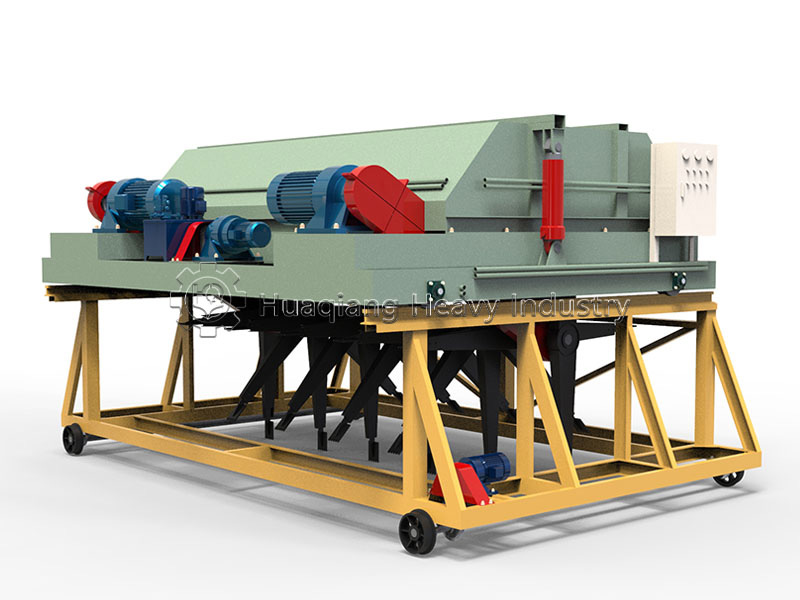
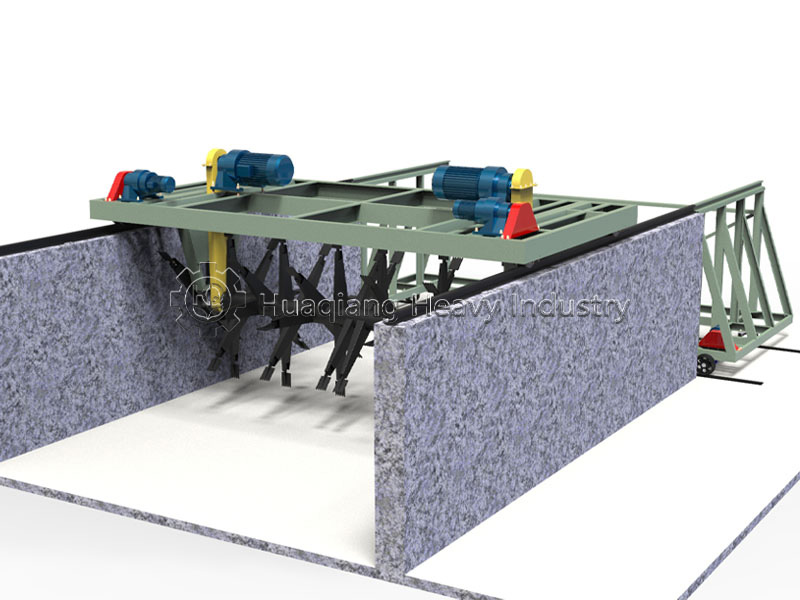
Upgrading equipment operation and maintenance, alongside standardizing the turning process, is key to boosting efficiency. Equipment such as chain-plate compost turners and large wheel compost turners ensures uniform material mixing and continuous oxygen supply, providing more balanced aeration compared to manual turning methods. Turning frequency is adjusted according to the fermentation stage: the material is turned once every two days during the initial heating phase, while turning is intensified during the high-temperature decomposition phase to enhance aeration, expel exhaust gases, and replenish oxygen, thereby preventing anaerobic odor and stalled fermentation. Intelligent equipment dynamically regulates oxygen supply and temperature, reducing energy consumption by 25% while boosting fermentation efficiency by over 60%.
Precise control over temperature and oxygen levels ensures effective staged fermentation management. The process follows a three-stage cycle—heating, high-temperature decomposition, and cooling—cultivating microbial communities at 40–55°C in the early stage and maintaining 55–70°C for over seven days during the intermediate stage to ensure thorough sanitization. Intelligent monitoring systems regulate temperature and oxygen concentration in real-time, preventing excessive heat from damaging microbial populations or low temperatures from slowing decomposition. This systematic process optimization shortens production cycles and guarantees organic fertilizer quality, helping the production line achieve higher quality, greater efficiency, and stable, eco-friendly output.



.jpg)