The organic fertilizer disc granulation production line serves as the core equipment for the resource utilization of agricultural waste. Centered on a process flow of "pretreatment—granulation—post-processing—packaging," the system leverages the synergistic interplay of centrifugal force and gravity within the disc granulator to achieve the efficient conversion of raw materials into finished organic fertilizer granules. Characterized by a high degree of automation throughout the entire process and the production of uniform granules, this line is widely applied in the processing of raw materials such as livestock and poultry manure, as well as crop straw.
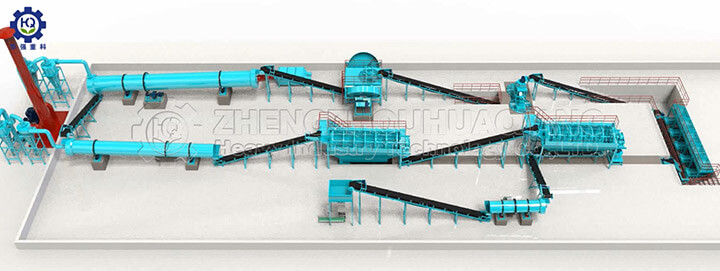
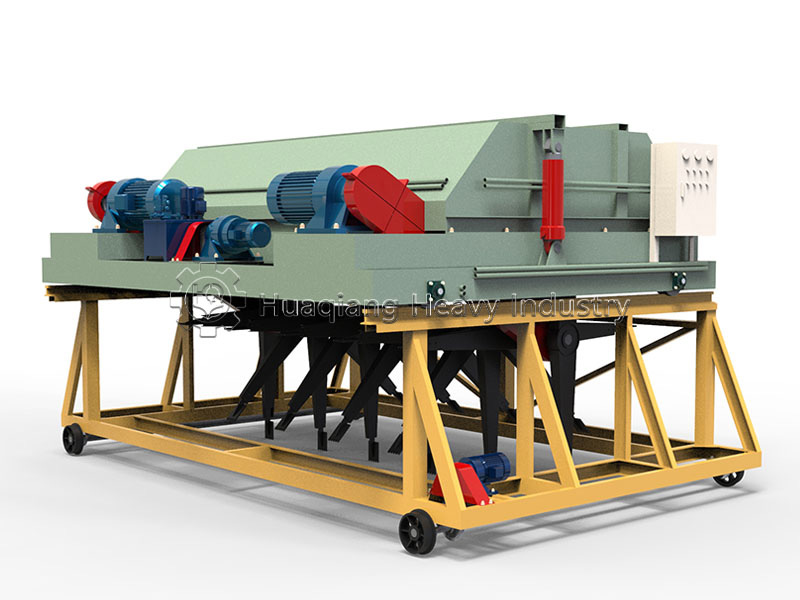
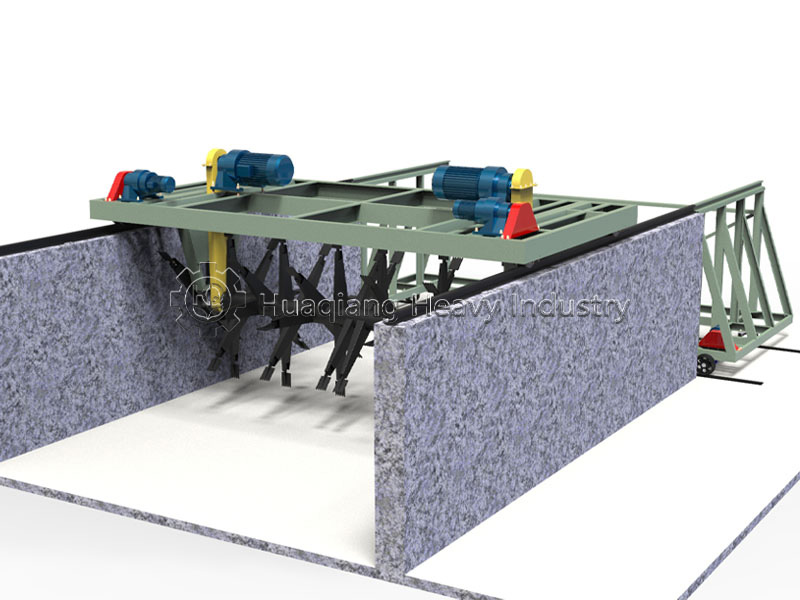
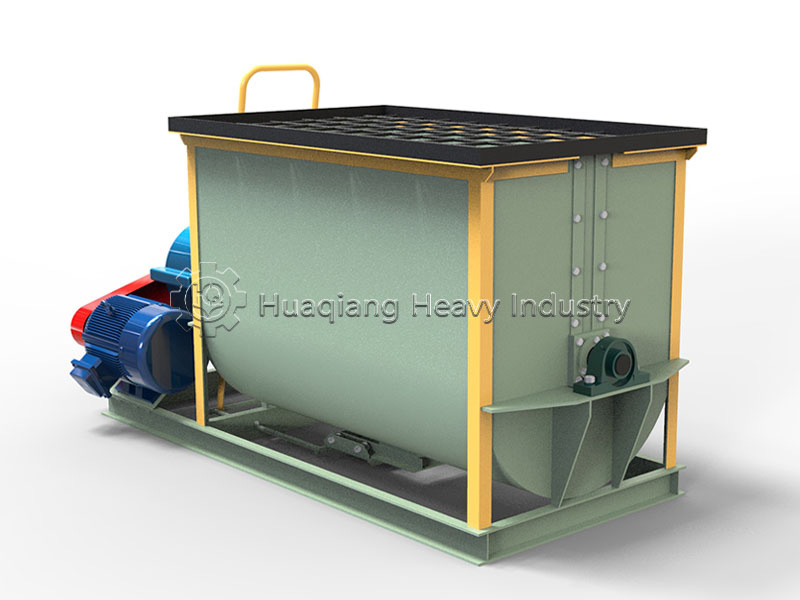
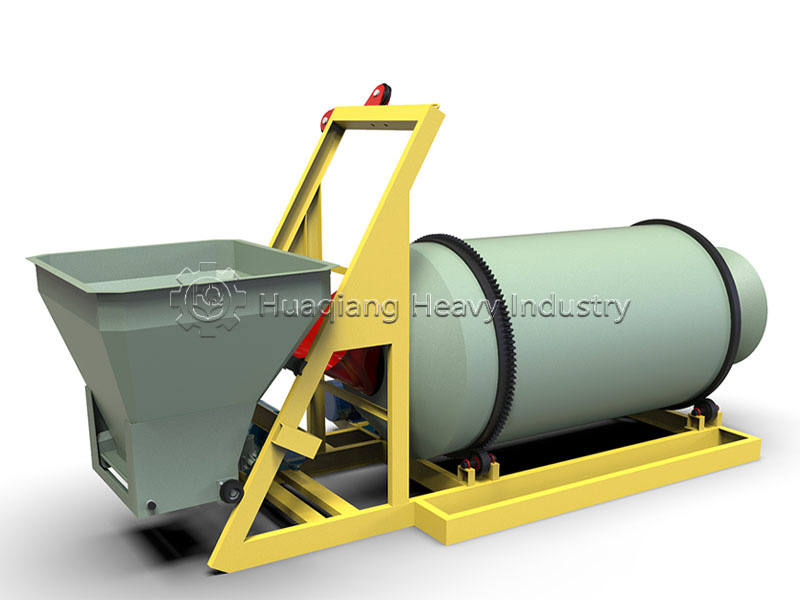
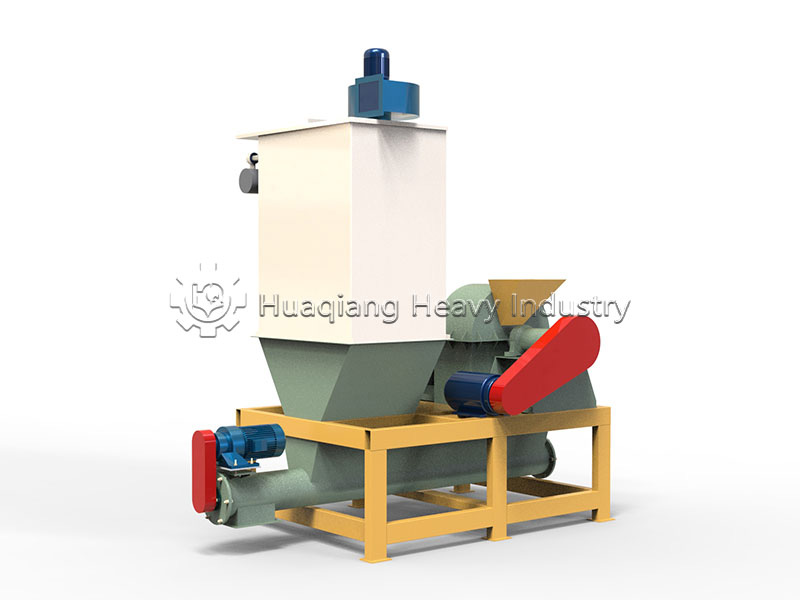
The operation of the production line begins with raw material pretreatment, a foundational step essential for ensuring effective granulation results. Organic raw materials that have undergone fermentation and maturation are first pulverized by a crusher to a fineness of 60–100 mesh—a process that also removes impurities such as stones and metal fragments—before being precisely fed into a premixing unit via a screw feeder. Simultaneously, an appropriate amount of binder and moisture is added to adjust the material's moisture content to within the 18%–22% range. This ensures uniform material viscosity, thereby preparing the mixture for subsequent granulation; this step effectively boosts the subsequent granulation rate and minimizes raw material loss.
The core granulation stage is executed by the disc granulator, the operating principle of which relies on the synergistic interaction of centrifugal force, gravity, and friction. The tilt angle of the disc can be adjusted between 35° and 55°, while the rotational speed is controlled within the range of 10–20 revolutions per minute (rpm). The pretreated material is fed at a steady rate into the rotating disc; under the influence of centrifugal force, the material moves upward along the inner wall of the disc until it reaches a certain height, at which point gravity causes it to roll back down, creating a continuous rolling cycle. During this process, an atomizing spray system precisely applies moisture or binder, causing fine particles to aggregate and form "crystal nuclei," which then continuously fuse with incoming raw materials to grow in size.
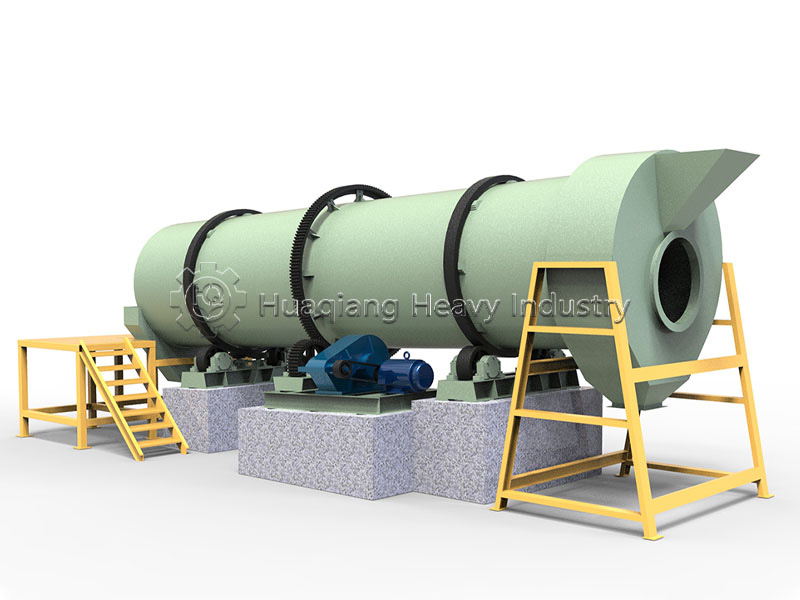
Once the granules have formed, they proceed to the screening and post-processing stages. When the granules grow to the qualified size range of 2–5 mm, they automatically overflow from the rim of the disc and enter a secondary screening system. Qualified granules are conveyed to a dryer to reduce their moisture content to ≤15%, and are subsequently cooled by a cooler to enhance their storage stability. Oversized granules are returned to the crusher for re-pulverization, while fine powders are recirculated back to the granulator for re-granulation; this closed-loop material recycling system ensures a raw material utilization rate exceeding 99%.
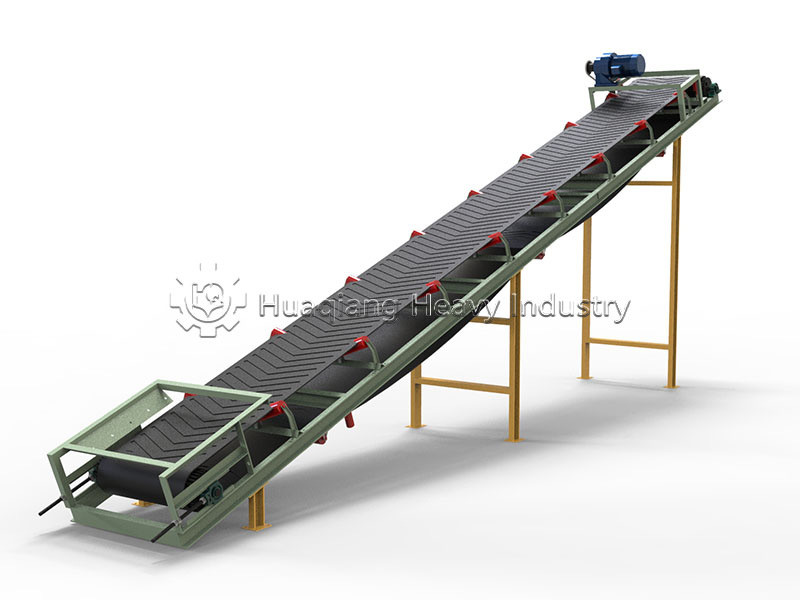
The final stage is product packaging: the qualified granules, having undergone deep processing, are conveyed to a fully automated packaging line for precise weighing and bag stitching, after which they are moved to storage. Throughout the entire operation, the equipment’s integrated environmental protection systems collect dust and treat wastewater, ensuring full compliance with environmental standards. The entire production line features a seamless workflow; through the precise regulation of operational parameters, it achieves the efficient, energy-saving, and eco-friendly production of organic fertilizers, thereby contributing to the development of a circular economy in agriculture.



.jpg)