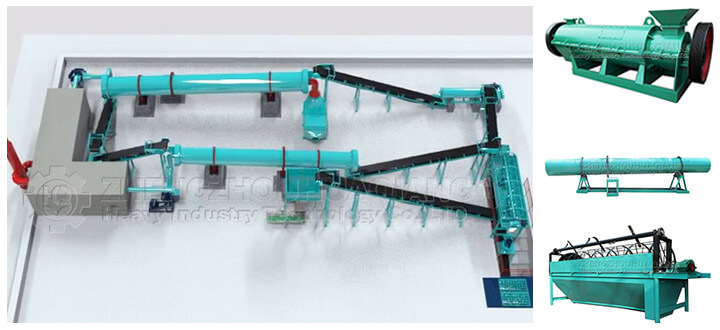
With the advancement of policies promoting the substitution of chemical fertilizers with organic ones, large-scale organic fertilizer production relies heavily on the support of complete sets of specialized equipment. A standard organic fertilizer production line requires the configuration of machinery centered around four core stages: raw material pretreatment, fermentation and maturation, deep processing, and packaging and storage. Only through the synergistic operation of these various machines can the effective resource utilization of organic waste be achieved and high-quality organic fertilizer be produced.
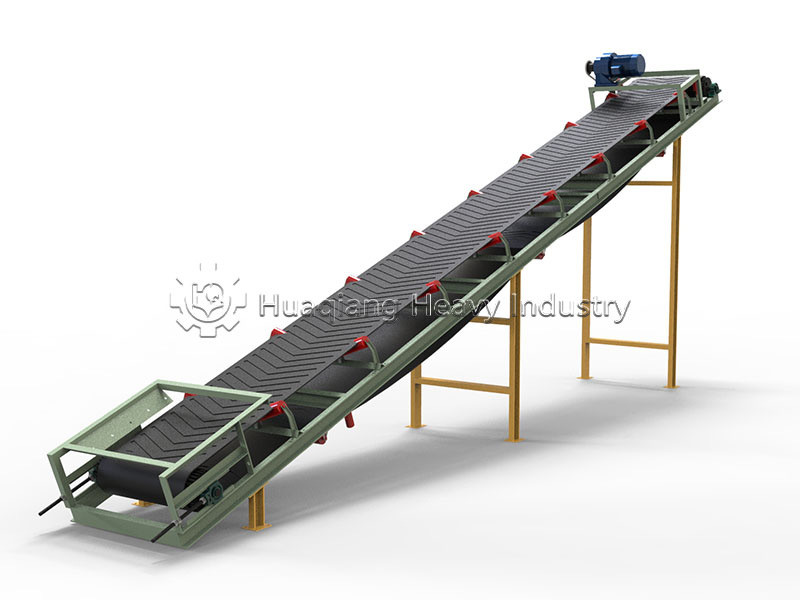
Raw material pretreatment serves as the foundation of the production process; key equipment in this stage includes solid-liquid separators, crushers, and conveyors. Solid-liquid separators are used to process high-moisture raw materials—such as livestock and poultry manure or biogas residue—by employing extrusion to separate solids from liquids, thereby simplifying the subsequent fermentation process. Crushers—typically of the hammer-mill type—are utilized to break down bulky raw materials, such as crop stalks and wood chips, into fragments smaller than 5 centimeters to facilitate mixing and fermentation. Conveyors automate the transfer of raw materials between different processing stages, thereby reducing labor costs; common types include belt conveyors and screw conveyors.
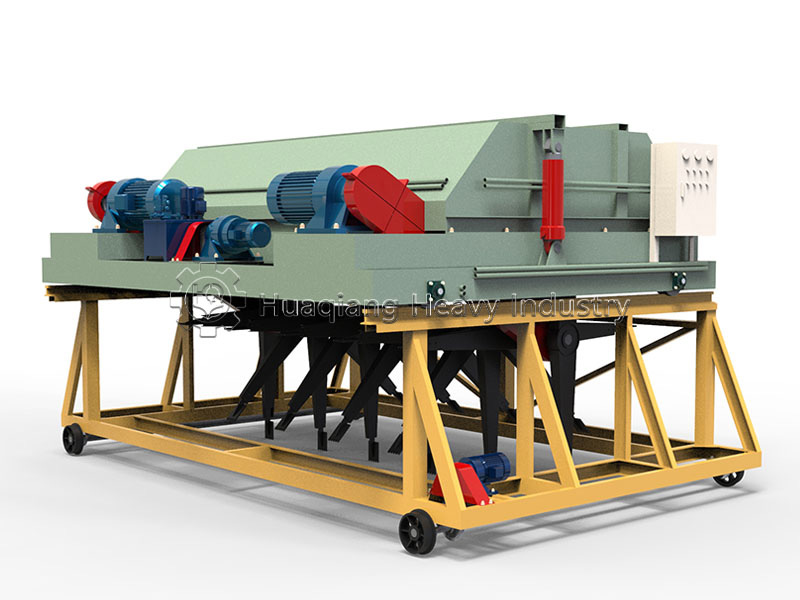
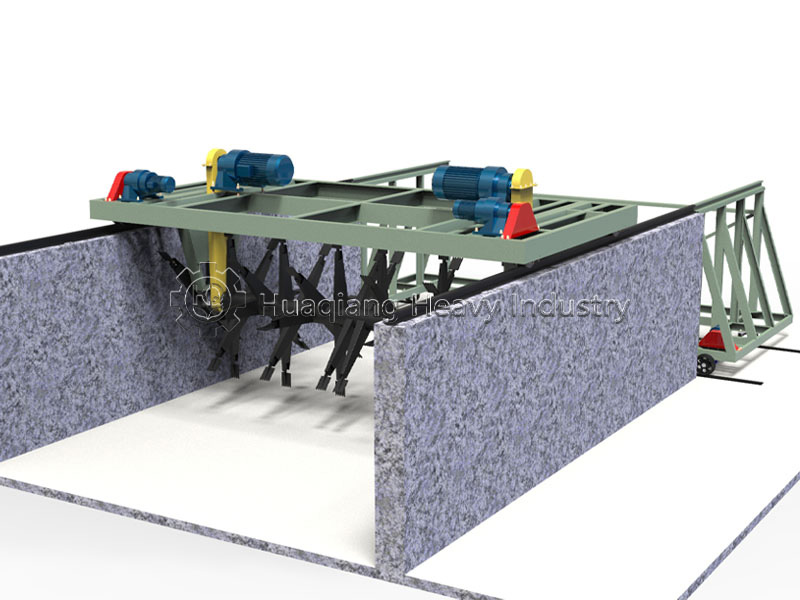
Fermentation and maturation constitute the critical stage of organic fertilizer production, as this phase directly determines the quality of the final product. Mainstream equipment for this stage includes trough-type compost turners, windrow compost turners, and fermentation tanks. Trough-type compost turners are suitable for large-scale production, utilizing a rail-mounted system to turn and aerate the material, ensuring a uniform oxygen supply and shortening the fermentation cycle to 15–20 days. Windrow compost turners are ideal for open-air production environments, offering operational flexibility. Fermentation tanks are typically employed in smaller-scale facilities; their enclosed, temperature-controlled design can reduce the fermentation cycle to just 7–10 days, though they entail higher capital costs.
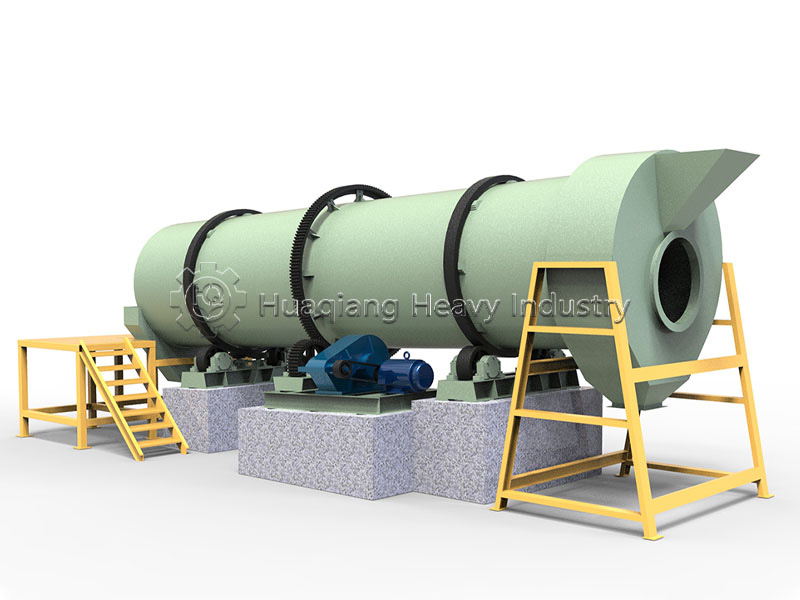
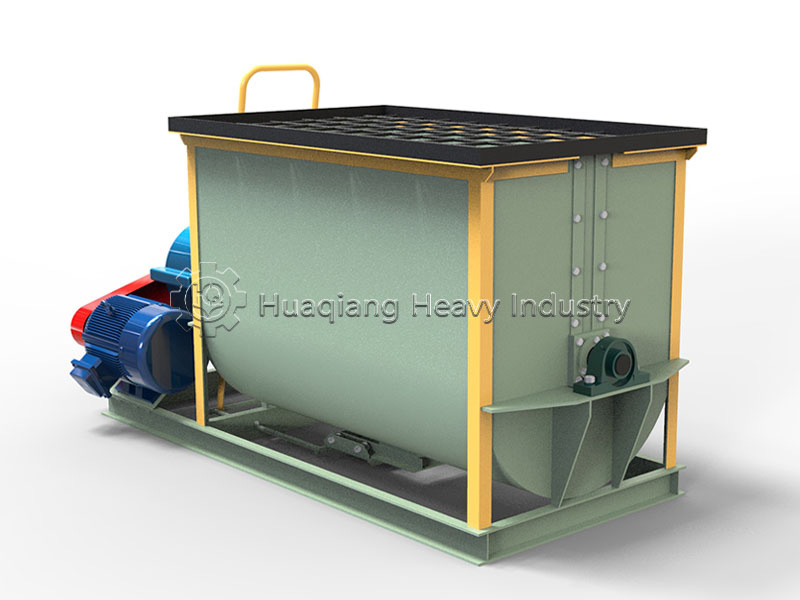
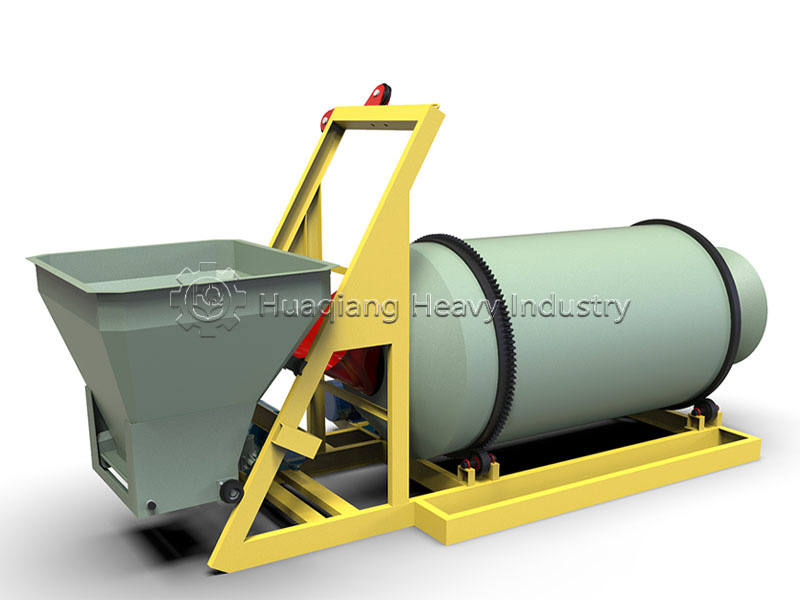
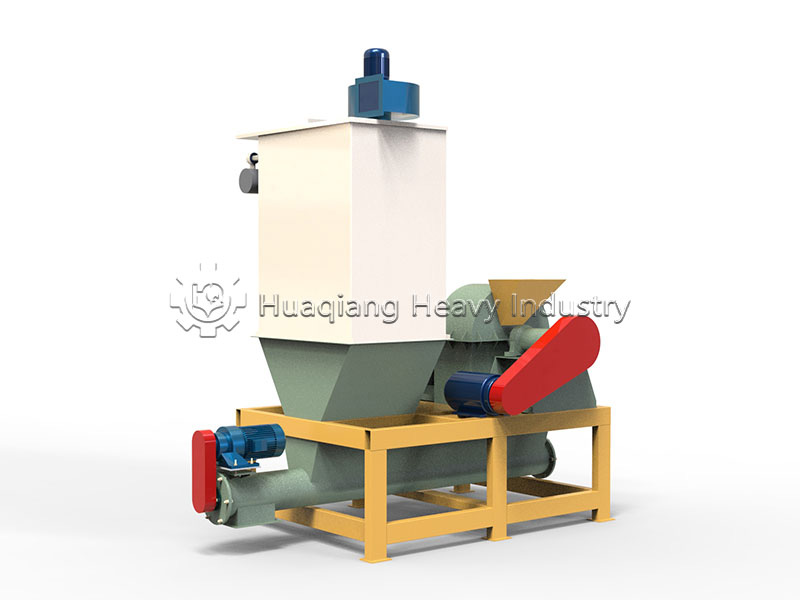
The deep processing stage is crucial for enhancing product quality and requires a complementary suite of equipment for crushing, screening, mixing, granulation, drying, and cooling. Following fermentation, the material is processed through a half wet material crusher to reduce particle size to less than 1 millimeter, ensuring particle uniformity. Screening machines, utilizing multi-layered sieves, separate the qualified material from the rest; any oversized particles are returned for reprocessing. Horizontal mixers are used to blend the organic fertilizer with various additives in precise proportions, ensuring a uniform distribution of nutrients throughout the product. Granulators serve as the core machinery in this stage; commonly used types include disc granulators, new type organic fertilizer granulators, and rotary drum granulators. Following the granulation process, the resulting pellets must undergo treatment using drying and cooling equipment. The dryer utilizes hot air to remove excess moisture from the pellets—thereby preventing clumping and mold growth—while the cooler rapidly lowers their temperature to enhance pellet strength and ensure stability during subsequent packaging and storage.
The packaging and storage stages rely heavily on automated packaging machines and auxiliary environmental protection equipment. Automated packaging machines facilitate the precise weighing and sealing of bags ranging from 25 to 50 kilograms, achieving an operational efficiency of 300 to 500 bags per hour. Meanwhile, environmental control systems—such as biofilters and pulse-jet bag dust collectors—effectively treat fermentation odors and production dust, ensuring full compliance with environmental protection standards.
While equipment configurations may vary depending on the scale of the production line, certain core components remain indispensable. By judiciously integrating these organic fertilizer production equipments, manufacturers can achieve automated and continuous production workflows while simultaneously guaranteeing that the quality of the organic fertilizer meets established standards. This approach not only supports the green, circular development of agriculture but also facilitates the transformation of organic waste into valuable resources.



.jpg)