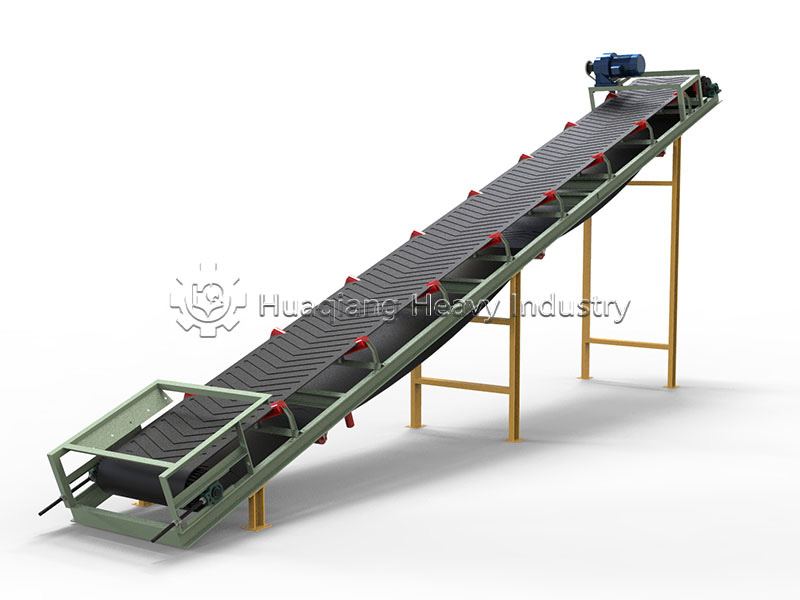
Organic fertilizer production relies on a cohesive set of specialized equipment, with each component performing a specific function to transform agricultural waste—such as livestock and poultry manure, crop straw, fungal residue, and food waste—into safe, stable, and nutrient-balanced organic fertilizer. Huaqiang Heavy Industry provides a comprehensive suite of equipment covering the entire process, from raw material pre-treatment and fermentation to granulation and final product handling, ensuring the entire production line operates efficiently and reliably.
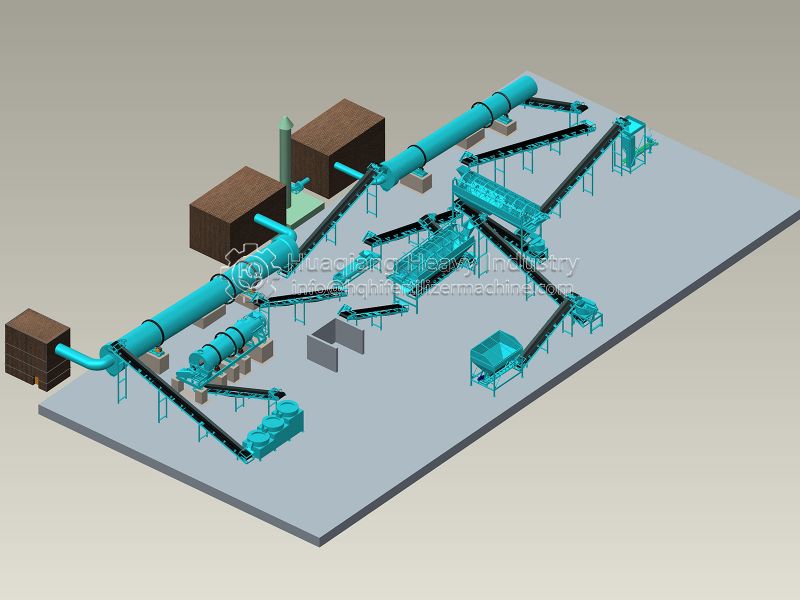
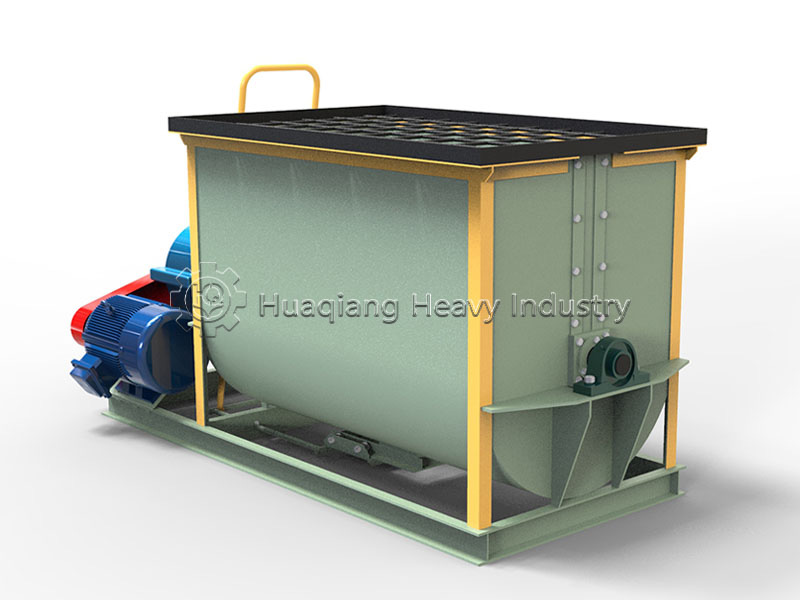
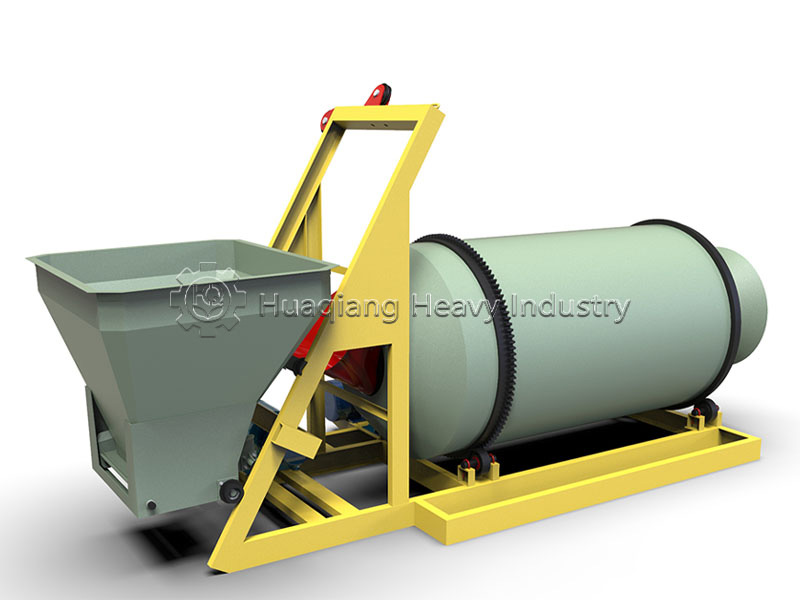
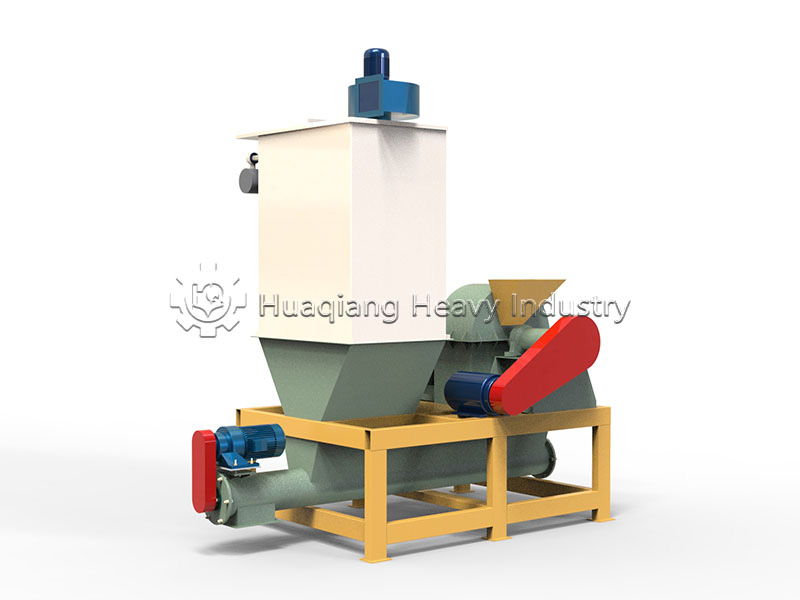
Raw material pre-treatment is the initial stage. A solid-liquid separator dewaters high-moisture waste, adjusting the moisture content to a level suitable for composting; this prevents water accumulation, foul odors, and anaerobic decay. A crusher breaks down materials like straw, large chunks of oil-cake fertilizer, or compacted raw materials, reducing particle size and increasing porosity to improve aeration—thereby creating an ideal environment for microbial proliferation. A horizontal ribbon mixer thoroughly blends the primary feedstock, fermentation inoculants, and bulking agents (such as straw), precisely adjusting the carbon-to-nitrogen (C/N) ratio to ensure a uniform mixture and consistent, thorough fermentation.
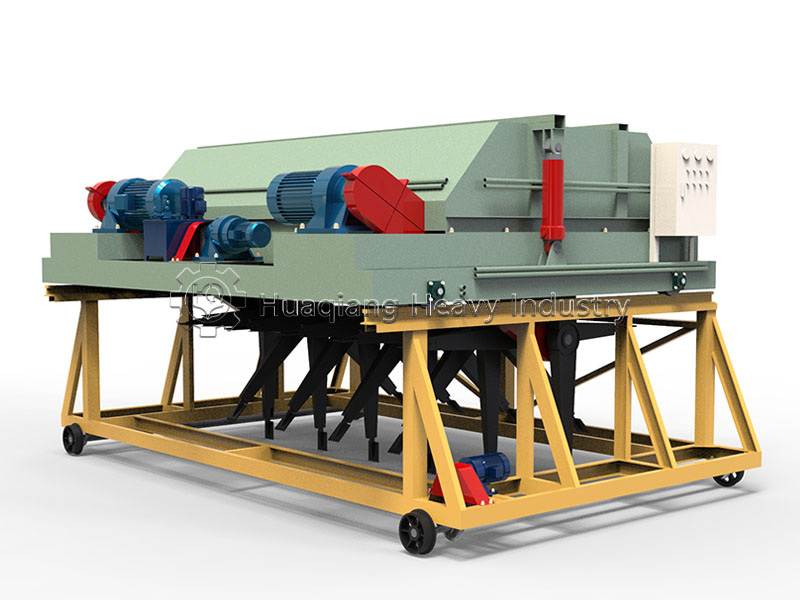
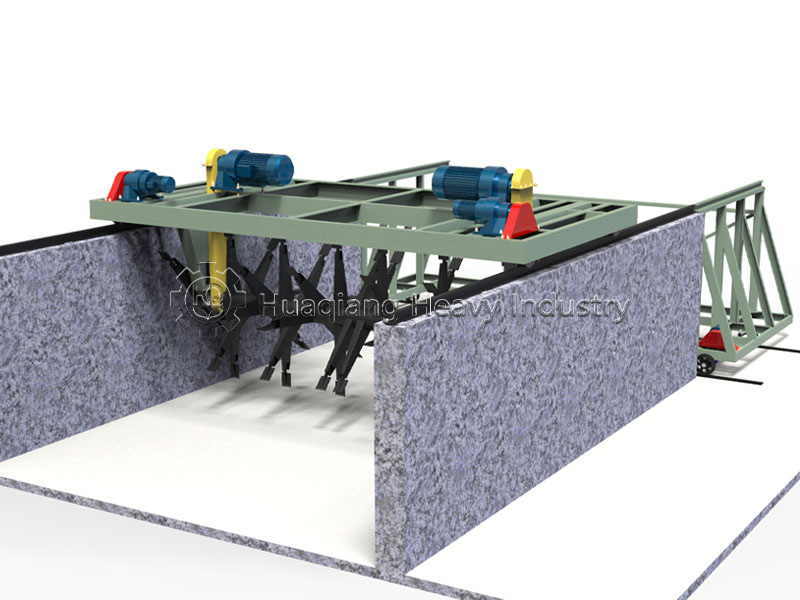
A compost turner is the core piece of equipment for the aerobic fermentation process. It periodically turns the compost pile, replenishing oxygen within the mass while dissipating excess heat and moisture. This facilitates the decomposition of organic matter by beneficial microorganisms, while simultaneously eliminating insect eggs, pathogens, and weed seeds. This process significantly shortens the composting maturation cycle and is essential for the harmless treatment of organic waste.
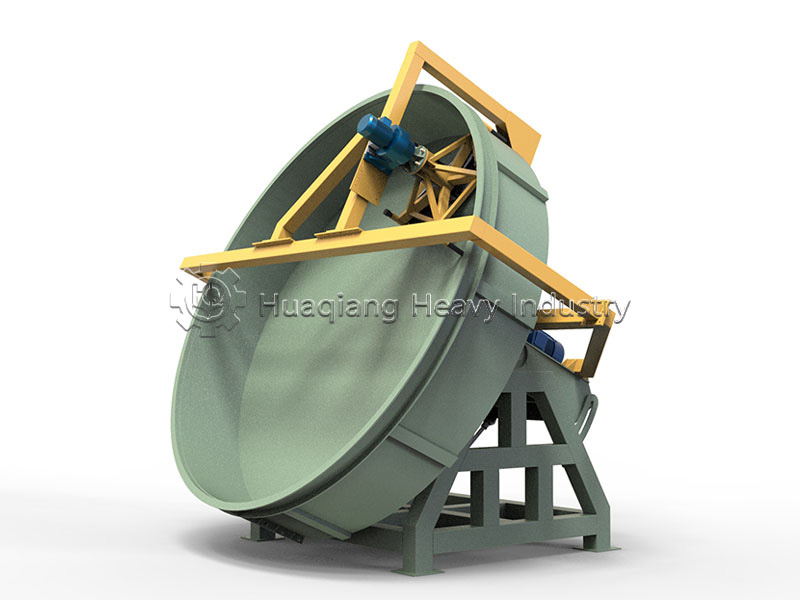
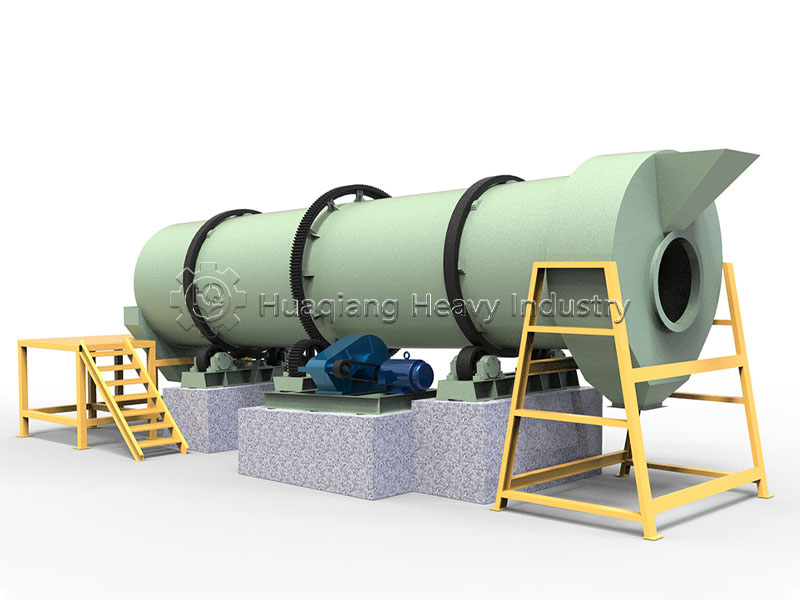
Once the material has fully matured, it moves to the deep-processing stage. A granulator transforms the loose, decomposed material into uniform, rounded granules, which are easier to spread in the field, store, and transport over long distances; this also minimizes nutrient loss and enhances fertilizer efficiency. A dryer removes excess moisture from the granules, preventing mold growth or clumping during storage, while an accompanying cooler rapidly lowers the temperature of the granules to preserve the viability of any beneficial live microbes.
Finally, a screening machine classifies the granules, removing oversized clumps and fine particles. Any material that does not meet specifications is recycled back into the production process, ensuring that the final product consists of uniform, standardized granules. The coating machine applies a protective film to the surface of the granules, providing moisture resistance, preventing caking, and enabling the slow release of nutrients, thereby extending the shelf life of the fertilizer. Subsequently, an automatic quantitative packaging machine handles weighing and sealing, preparing the final product for storage and distribution.
The entire system operates as an integrated, standardized process; this not only ensures consistent quality for the organic fertilizer but also facilitates the recycling and resource recovery of livestock waste, mitigates environmental pollution, and supports the sustainable development of eco-friendly, green agriculture.