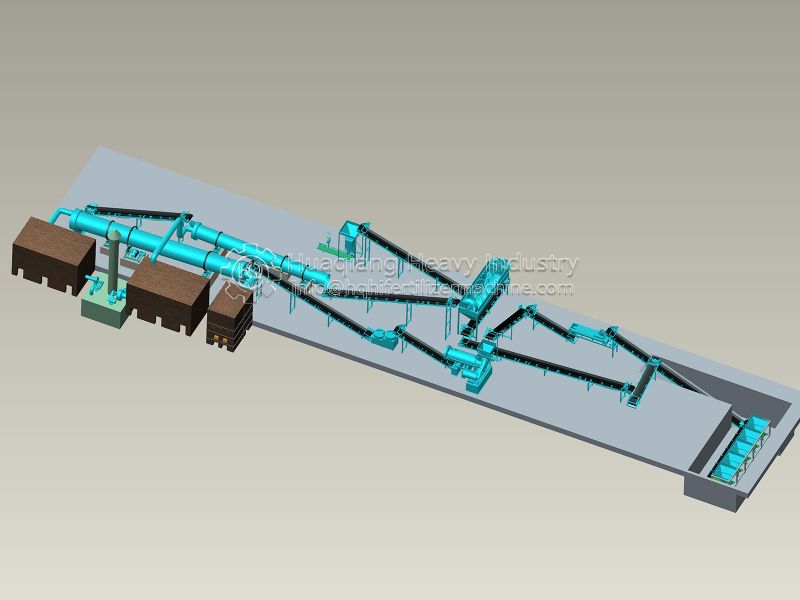
A 1-ton-per-hour organic fertilizer production line is a small-scale, modular solution characterized by a compact footprint, moderate investment, and straightforward commissioning. It can process a variety of organic raw materials—such as livestock and poultry manure, crop straw, mushroom cultivation residue, and oil-seed cake—effectively combining waste management with organic fertilizer production. It is a popular choice for those just beginning to engage in circular agriculture. Huaqiang Heavy Industry offers tailored solutions for this type of production line, catering to several specific client segments.
The first segment consists of small-to-medium-sized livestock farms and family-run farms. A major challenge in the livestock industry is waste management, which often entails high removal and transportation costs, alongside significant environmental regulatory pressure. This production line allows for the on-site fermentation and processing of livestock and poultry manure into organic fertilizer. The fertilizer can be used directly on the farm’s own crops—reducing the need to purchase external fertilizers—while any surplus can be sold locally, creating a closed-loop system for crop and livestock production. The line requires minimal labor and is easy to maintain, making it well-suited to the daily waste output of small-to-medium-sized farms.
The second segment includes agricultural cooperatives and specialized cultivation bases. Orchards, medicinal herb farms, nurseries, and organic "pick-your-own" farms require high-quality organic fertilizer; however, purchasing large quantities from external suppliers is often costly and results in inconsistent quality. By establishing a 1-ton-per-hour organic fertilizer production line, these operations can utilize local resources like crop straw and fruit pomace to produce their own fertilizer. They can adjust the organic matter content as needed, ensuring a fresh, reliable supply. This is ideal for improving the quality and yield of premium fruits, vegetables, and cash crops, while also helping to build a proprietary brand.
The third segment comprises agricultural supply distributors and entrepreneurs entering the organic fertilizer industry. For those looking to enter the sector but facing limited capital or lacking established sales channels, investing in a large-scale production line is not advisable. A 1-ton-per-hour line carries lower risk; it allows for supply to local farmers and retail outlets, with production schedules that can be flexibly adjusted based on seasonal demand—thereby minimizing inventory buildup. For traditional agricultural supply stores, this offers a path to transition into self-producing organic fertilizer, extending their business value chain and creating new revenue streams.
The fourth segment includes rural waste treatment facilities and small-scale environmental protection projects. Certain rural areas, edible mushroom cultivation facilities, and food processing plants continuously generate waste—such as spent mushroom substrate and fruit or vegetable residues—that requires compliant, resource-oriented disposal. Small-scale organic fertilizer production lines can effectively process this waste, turning it into commercial organic fertilizer for local farmers—an approach that aligns with policy directives on the resource utilization of organic waste.
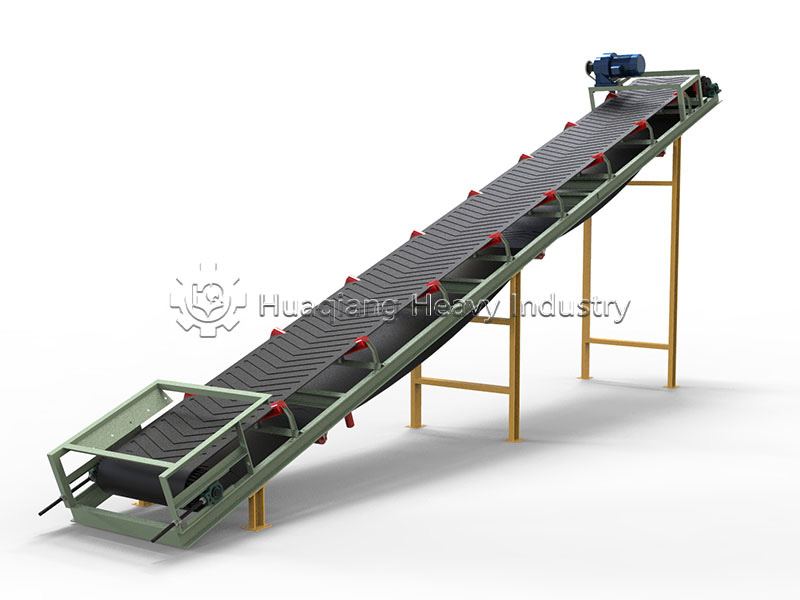
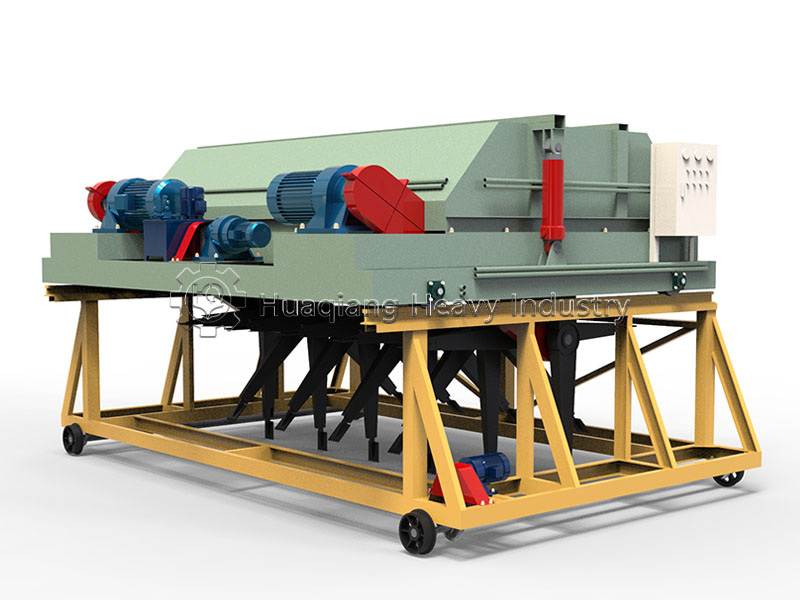
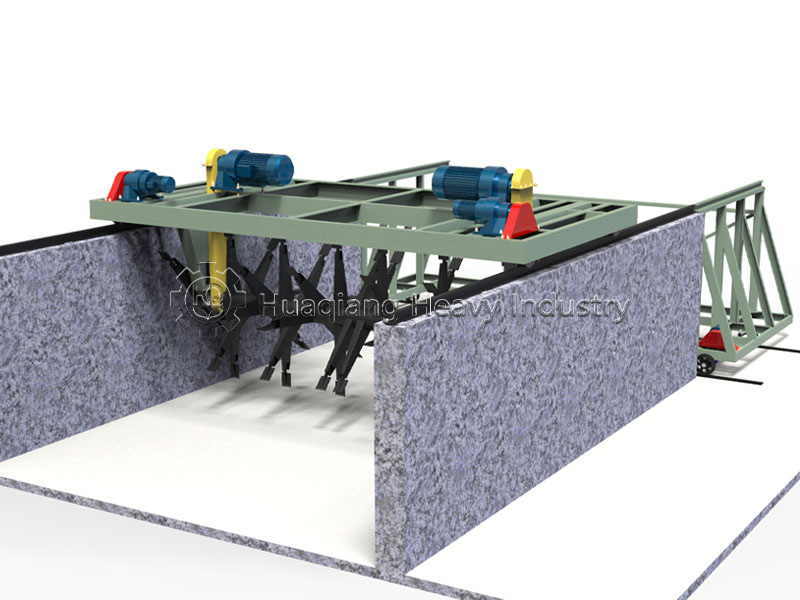
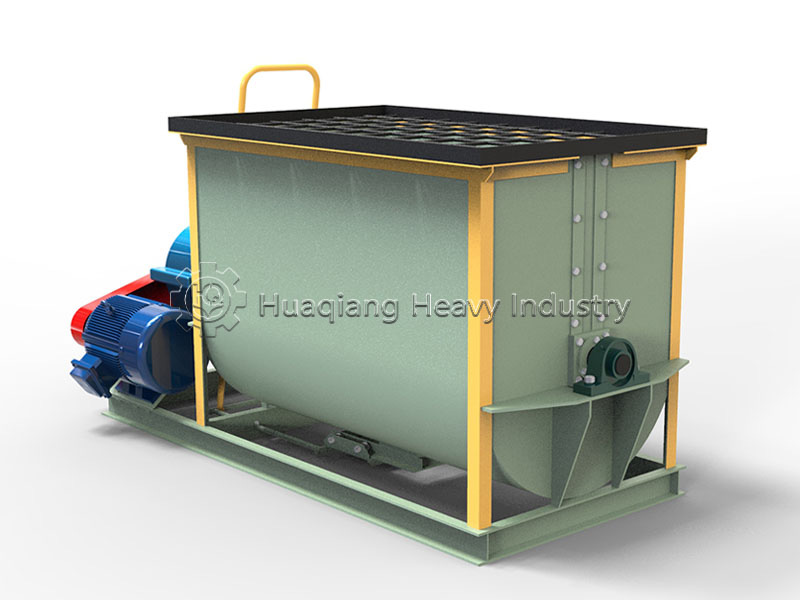
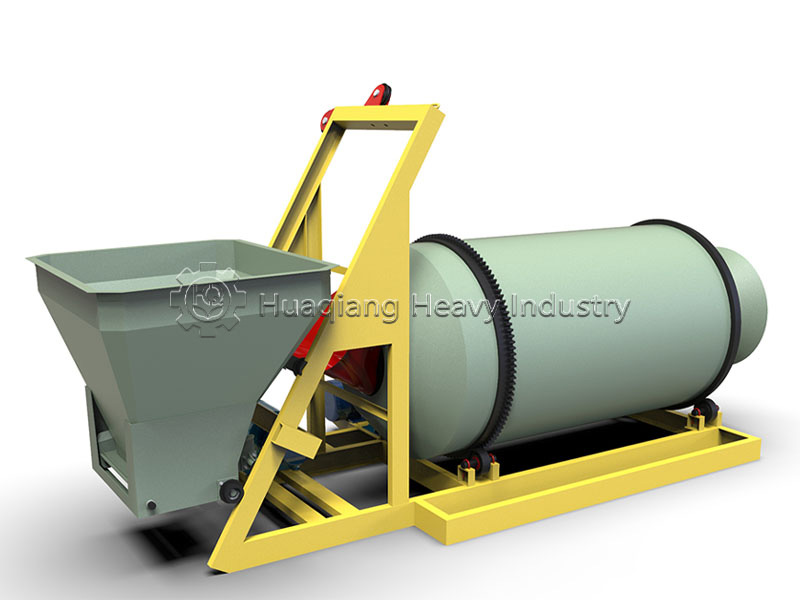
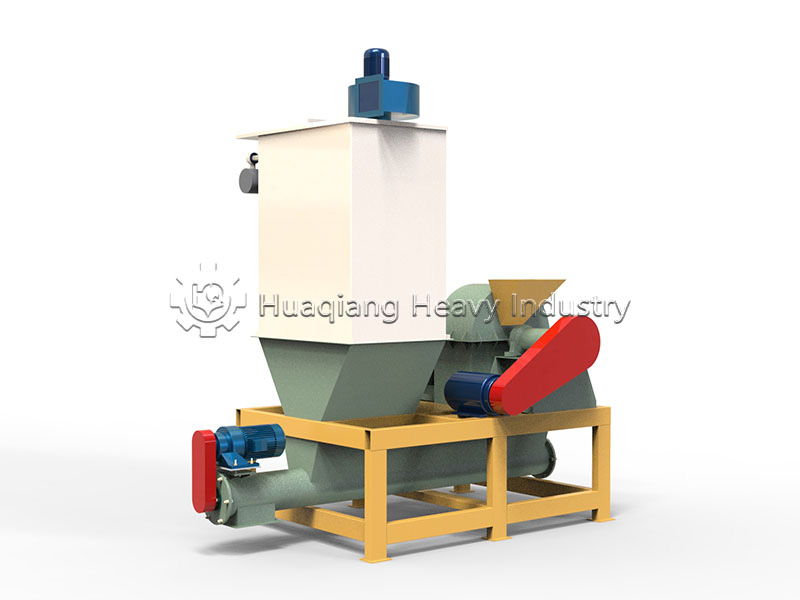
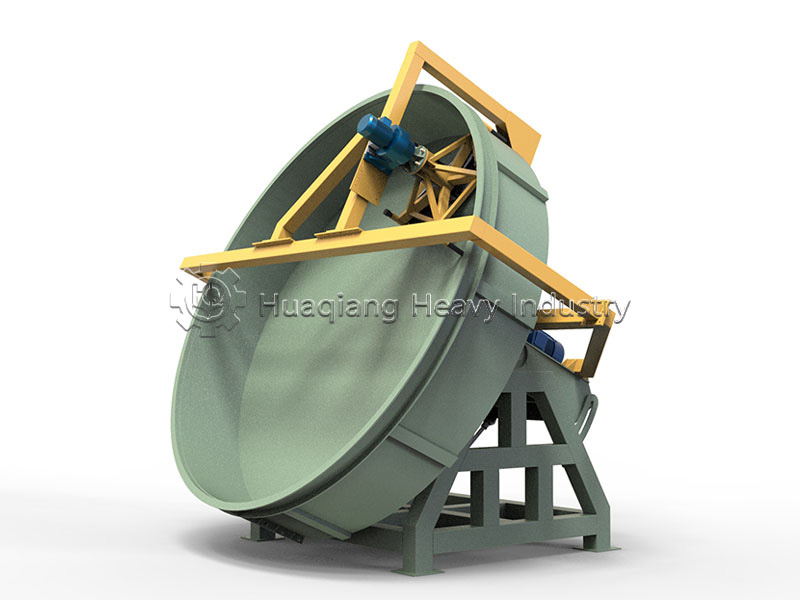
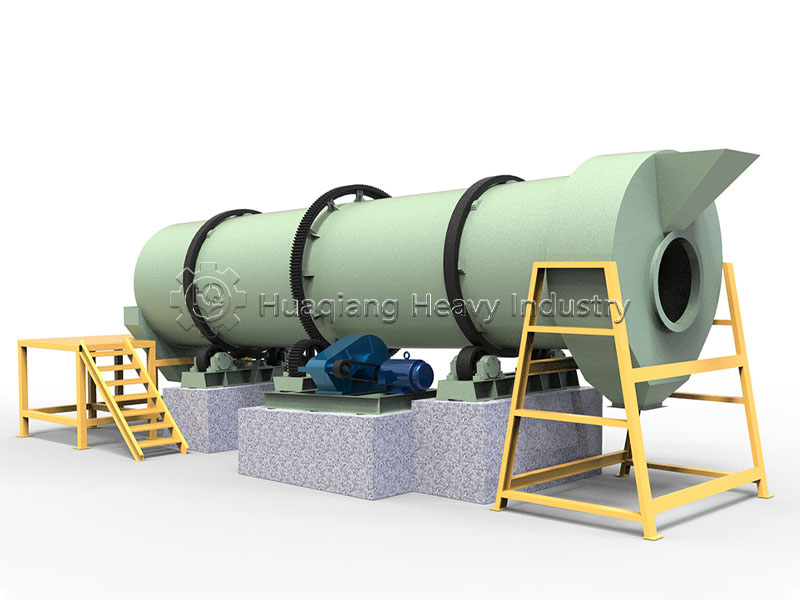
Such production lines are not intended for large-scale fertilizer enterprises that supply markets nationwide. Before selecting a system, clients should carefully evaluate the stability of their raw material supply, site conditions, environmental impact assessment (EIA) requirements, and the local sales market. Based on the specific types of raw materials and the available site area, Huaqiang Heavy Industry can provide a customized organic fertilizer processing solution—complete with fermentation, crushing, granulation, screening, and packaging equipment—designed for an output capacity of 1 ton per hour.