Answer: Yes, targeted customization is required; there is no such thing as a "universal" organic fertilizer production line. Raw materials for organic fertilizer vary significantly in terms of moisture content, density, fibrous structure, and impurity levels. A fixed equipment configuration cannot accommodate all material types; doing so would directly compromise fermentation, granulation, product quality, and production efficiency. Therefore, the production line must be customized and adjusted according to the specific characteristics of the raw materials.
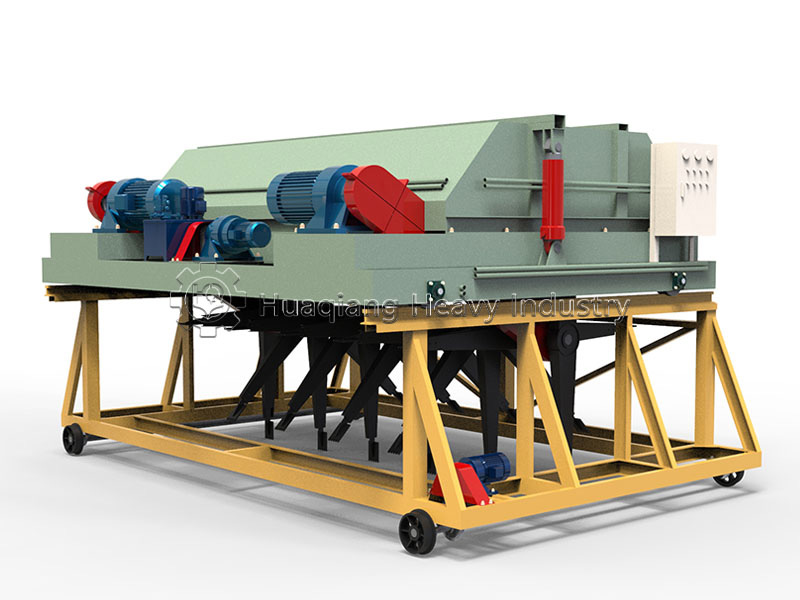
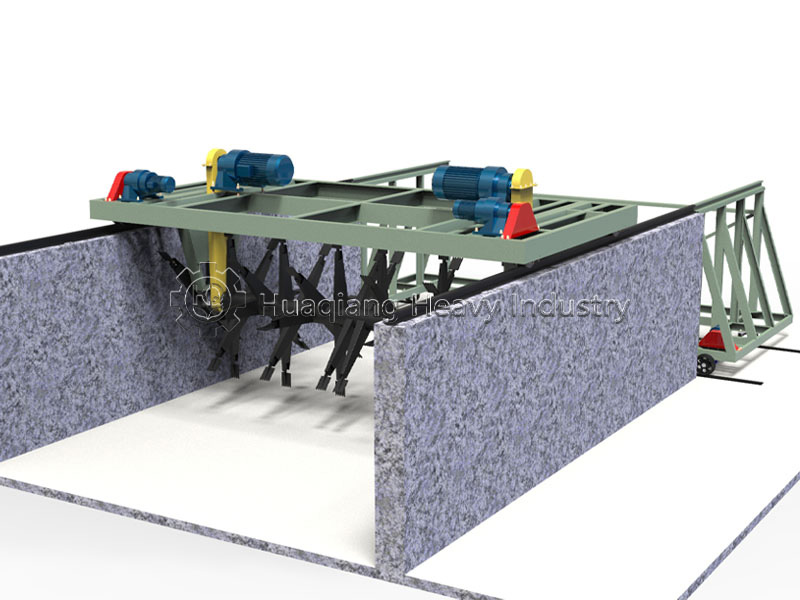
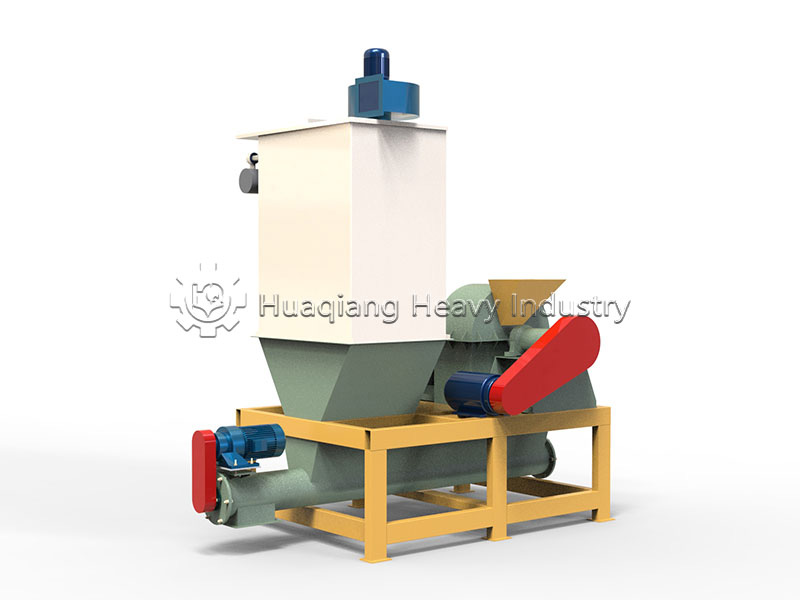
Livestock and poultry manures (such as chicken or pig manure) have high moisture content and high viscosity, making them prone to clumping and clogging. Production lines handling these materials require specialized dewatering and breaking equipment, as well as optimized fermentation compost turning machine; the composting cycle must also be extended to accommodate high-moisture materials and ensure complete decomposition.
Plant-based fibrous materials like straw and sawdust are loose in texture, have high carbon-to-nitrogen (C/N) ratios, and offer good air permeability. While they do not require dewatering equipment, they do need crushing and screening units to reduce particle size, as well as the addition of C/N ratio adjusters to balance nutrients and ensure effective decomposition.
Materials such as sludge and food waste contain numerous impurities and complex components, and are prone to bacterial growth. Production lines for these materials require impurity removal, sterilization, and deodorization equipment. Additionally, the equipment structure must offer superior sealing to prevent pollution and ensure compliance with environmental production standards.
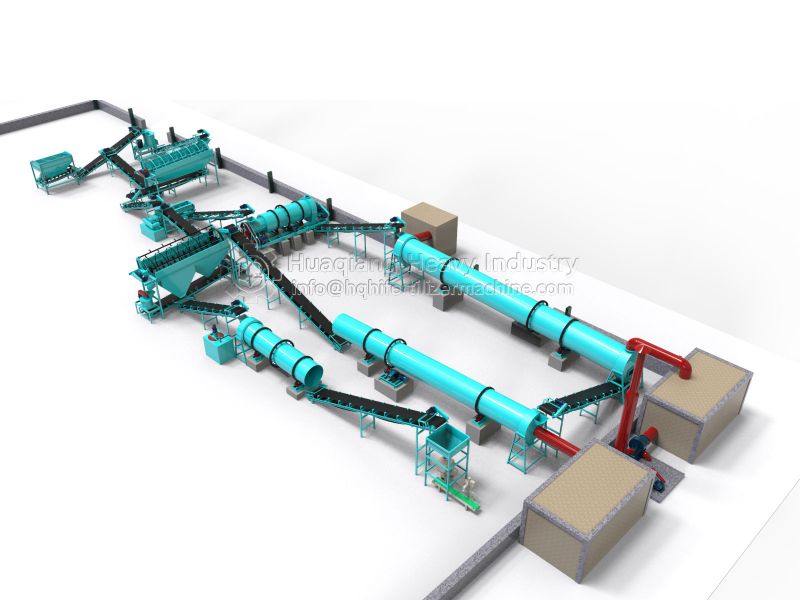
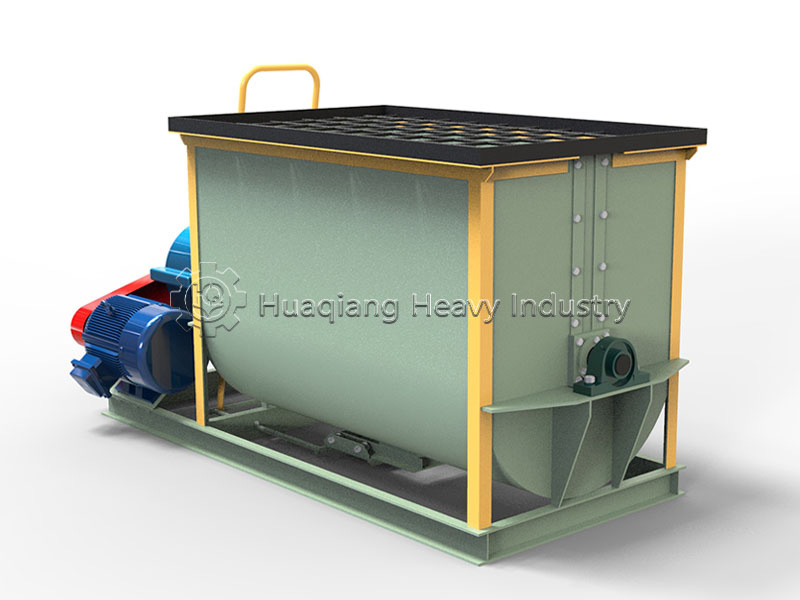
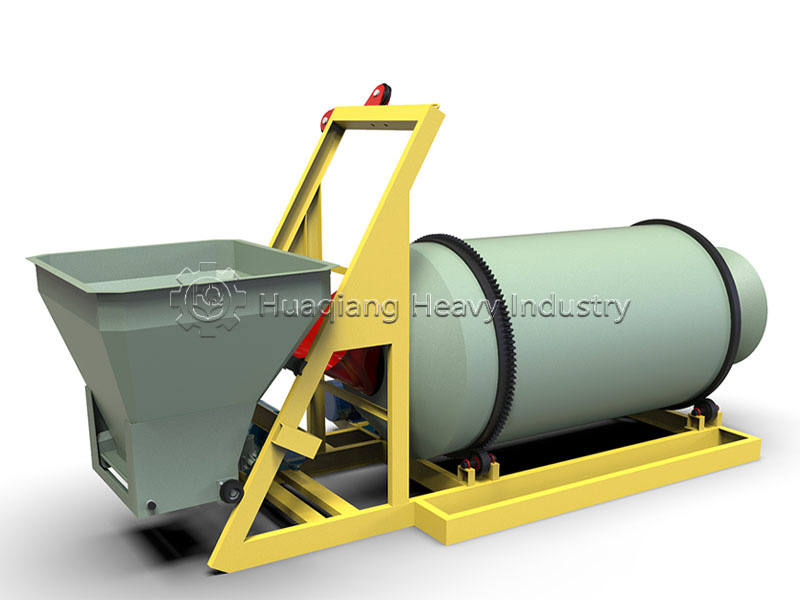
While small, simple organic fertilizer production lines may handle limited quantities of general-purpose raw materials, large-scale production requires customization of equipment models, process flows, and auxiliary units based on the core raw material types, mixing ratios, and capacity requirements. This ensures the finished organic fertilizer meets quality standards, minimizes energy consumption, and reduces equipment malfunctions.



.jpg)