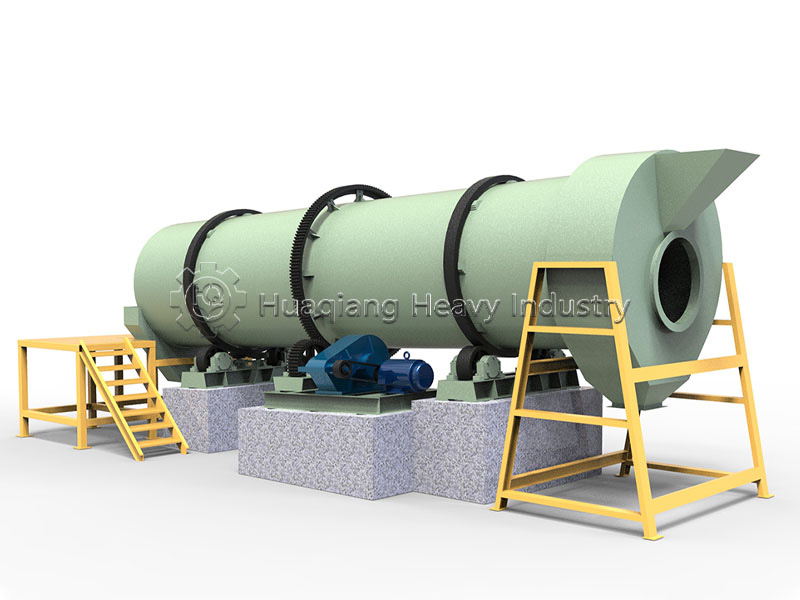
Answer: Blockages in organic fertilizer production lines usually stem from issues related to raw material conditions, equipment parameters, or operational procedures. It is recommended to follow a "stop for safety inspection, then troubleshoot section by section" approach to efficiently pinpoint the root cause.
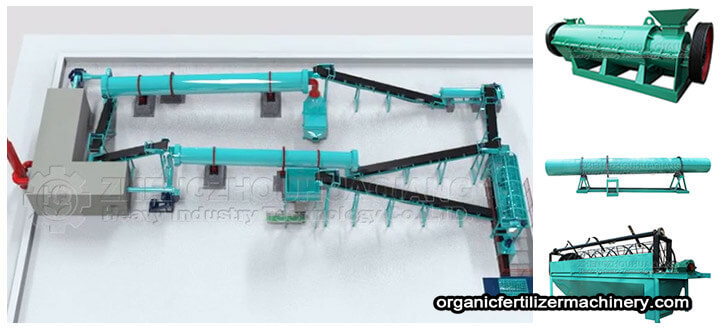
First, check for raw material issues, as these are the most common triggers. If raw materials have excessive moisture or viscosity, or contain large impurities or clumps, they easily adhere to equipment and cause blockages. Imbalanced material ratios or excessive material accumulation can also impede feeding; therefore, materials should be screened and clumps broken down beforehand, and moisture content must be controlled.
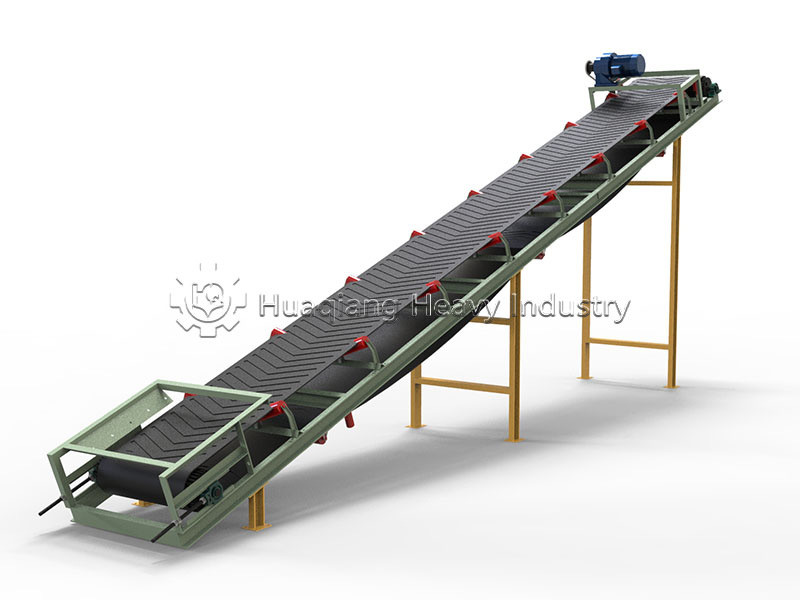
Next, inspect the equipment section by section. Start with the loader feeding hopper and belt conveyors to see if belt slippage or material buildup on hopper walls is causing feeding interruptions. Then, focus on the crusher and granulator; clogged screens, worn hammerheads, and blocked granulation dies are primary causes of blockages. Finally, check the discharge outlet and screening equipment, as poor discharge or screen blinding (clogging) can lead to material backflow and accumulation.
Lastly, investigate operational and parameter-related issues. Excessive feed rates, improper equipment speed settings, or failure to clean equipment promptly—allowing residual material to accumulate and harden—can all trigger persistent blockages. After troubleshooting, promptly clear accumulated material, replace worn parts, maintain a steady feed rate, and perform regular equipment maintenance to eliminate the root causes of blockages and ensure stable production line operation.



.jpg)