With the advancement of green agriculture policies, organic fertilizer is becoming a trend to replace chemical fertilizer. A set of efficient production equipment is the core guarantee for realizing the resource utilization and harmless treatment of organic waste. Organic fertilizer production involves raw material processing, fermentation and composting, deep processing, and finished product packaging. Each stage has dedicated equipment that works in tandem to complete the transformation from waste to fertilizer.
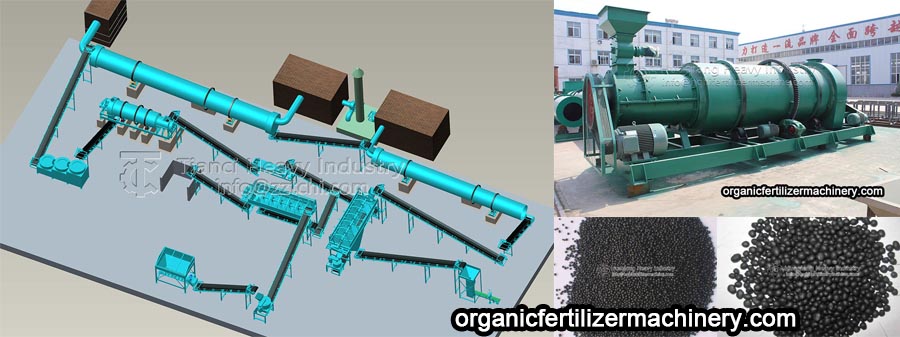
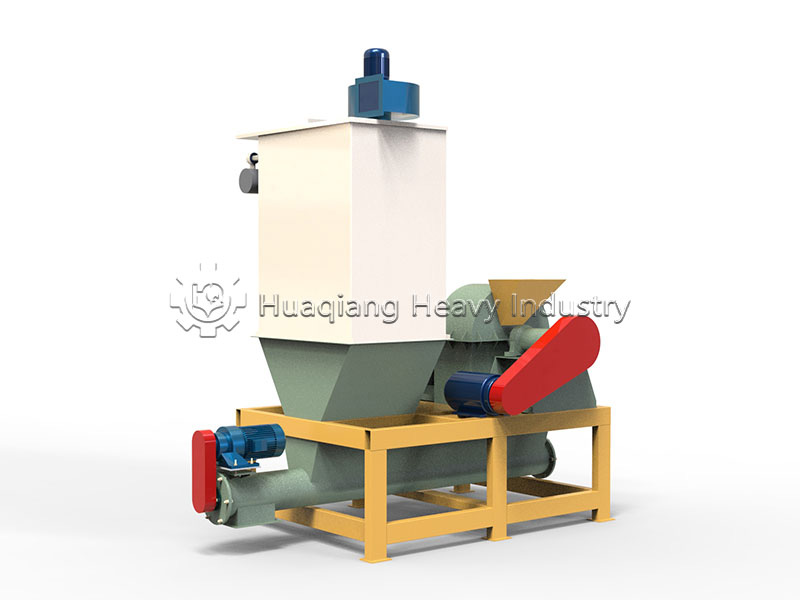
Raw material pretreatment equipment is the foundation of production, mainly addressing the problems of high impurities, high moisture content, and large particle size in raw materials. Semi-wet material crushers can directly process high-moisture livestock manure, straw, and other raw materials without prior drying, resulting in uniform crushing and less clogging. Screw extrusion dewatering machines are designed for high-moisture raw materials, reducing the moisture content to 55%-65%, creating conditions for subsequent fermentation. Combined with a loader-type feeding hopper, it allows for convenient large-scale feeding of raw materials.
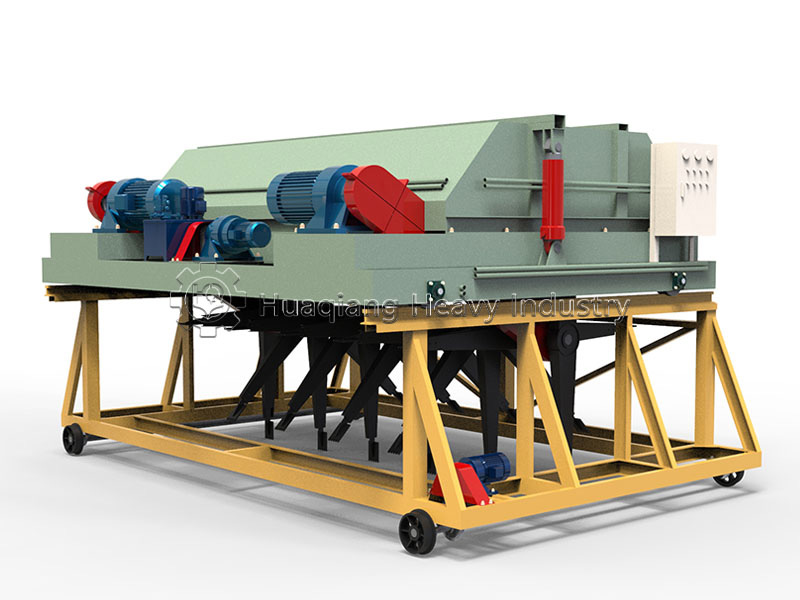
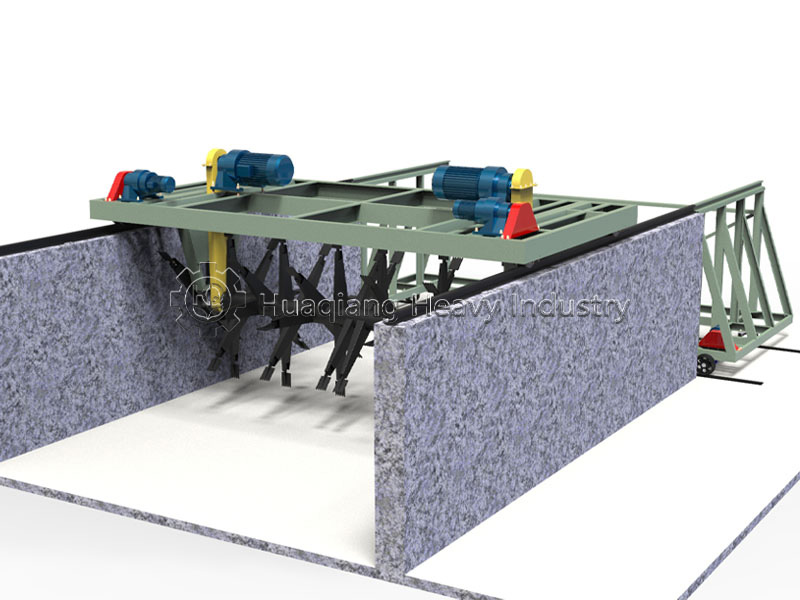
Fermentation and composting equipment is the core of organic fertilizer production, determining fertilizer quality. Compost turning machines are the mainstream equipment, available in trough and tracked types. They can turn the material at regular intervals, controlling the fermentation temperature at 55-70℃, killing pathogens and insect eggs, and ensuring uniform composting. For small-scale production, self-propelled compost turners are suitable, while trough-type compost turners are better suited for large-scale production. Closed-loop high-temperature aerobic fermentation tanks can shorten the fermentation cycle and are suitable for scenarios with high environmental protection requirements.
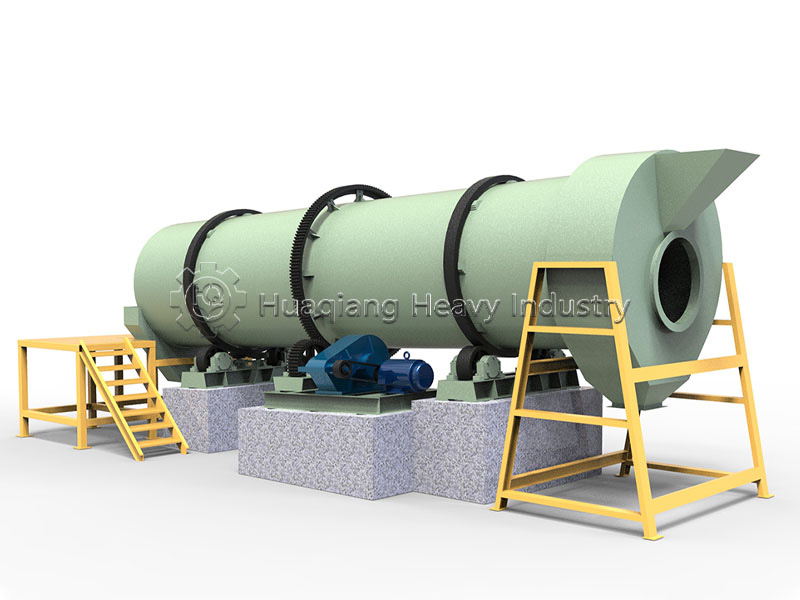
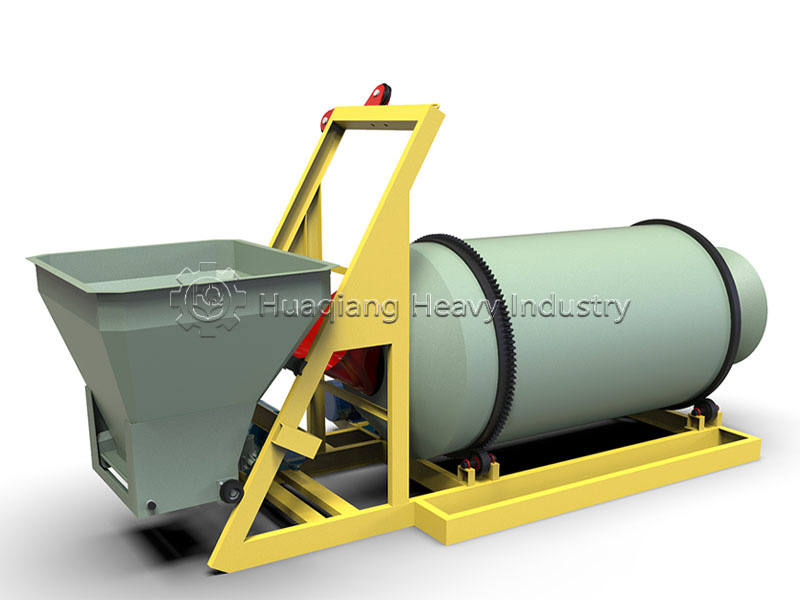
Deep processing equipment enhances the appearance and practicality of organic fertilizer. Granulators, including disc and drum types, turn powdery materials into granules for easy transportation and application. Drum screeners separate qualified granules, removing debris and impurities; unqualified materials can be returned for reprocessing. Drying and cooling equipment dehydrates and cools the granulated material, ensuring moisture content meets standards and preventing clumping and spoilage.
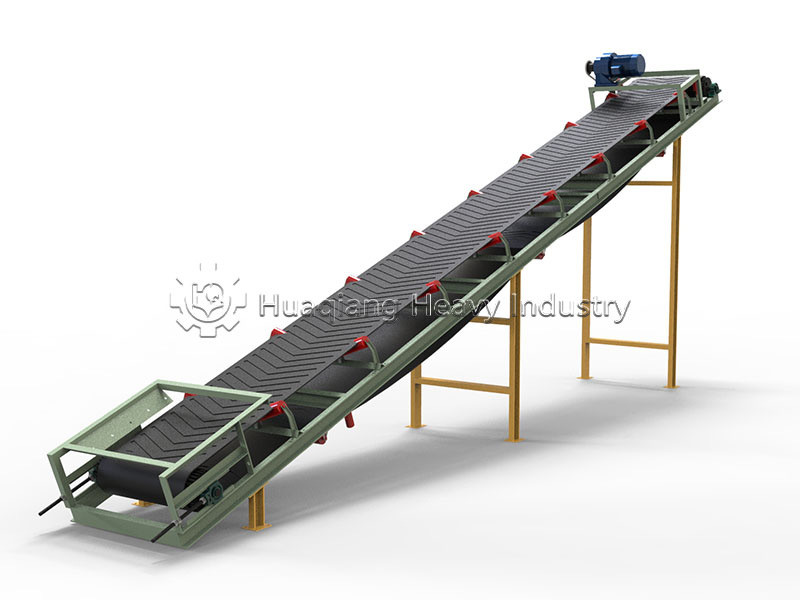
Finished product packaging equipment enables standardized delivery. Automatic quantitative packaging machines precisely control weight, and sealing machines are used with bag sewing machines. Large production lines can also be equipped with palletizers to improve efficiency. Furthermore, conveying equipment runs throughout the entire process; belt conveyors and screw conveyors facilitate material transfer at each stage, ensuring continuous production.
Different production scales require different equipment configurations. Small-scale production can use simplified configurations, while large-scale production requires a complete set of equipment. Choosing the right organic fertilizer production equipment can improve production efficiency, ensure fertilizer quality, and contribute to the green and sustainable development of agriculture.



.jpg)