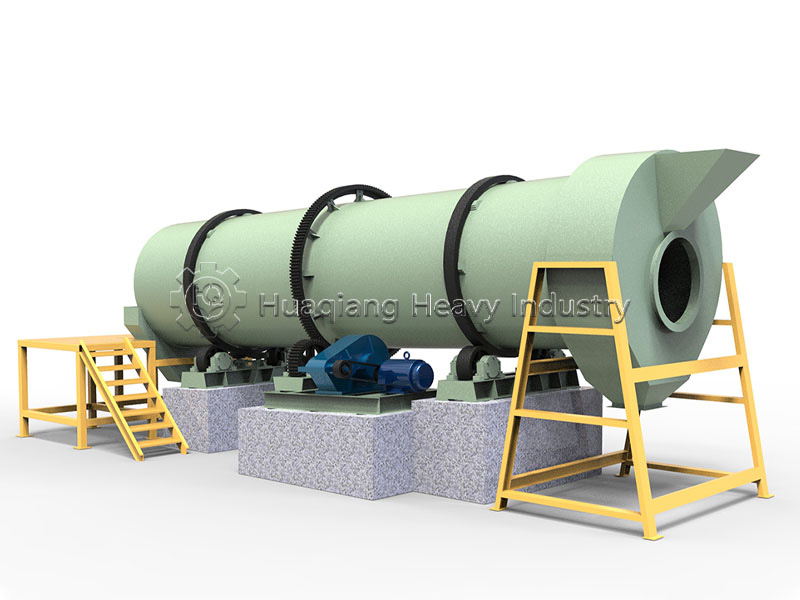
Wear and tear on organic fertilizer production line equipment mainly stems from material friction, component friction, and improper operation. This not only shortens equipment lifespan but also affects production efficiency and increases maintenance costs. To effectively reduce wear and tear, a comprehensive protection system needs to be built, addressing issues from multiple aspects, including source control, daily maintenance, and component optimization, to achieve efficient and stable equipment operation.
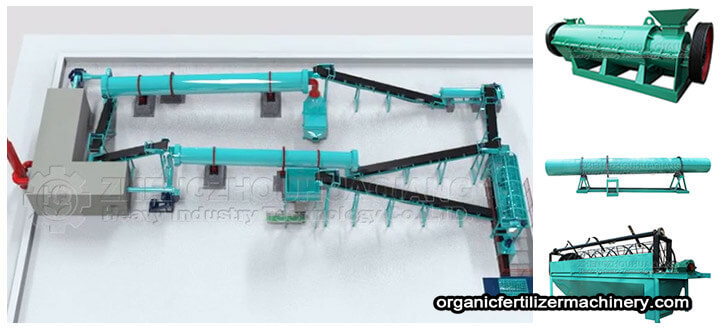
Raw material pretreatment is fundamental to reducing wear and tear. Organic fertilizer raw materials often contain hard impurities such as sand and metal, and sticky materials easily adhere to equipment, exacerbating component wear. Before production, impurities should be removed using vibrating screens and magnetic suction devices to control the raw material particle size within a reasonable range. Simultaneously, the moisture content should be adjusted to avoid excessive dryness leading to dust wear or excessive wetness causing crusting during grinding. This step reduces the impact and cutting wear of materials on core equipment such as crushers and granulators at the source.
Scientific operation and maintenance are key to extending equipment lifespan. Regular lubrication is crucial. Follow the equipment instructions to add appropriate lubricating oil to bearings, chains, gears, and other transmission components to prevent dry friction from exacerbating wear. Regularly check oil levels and replace degraded oil. After daily use, promptly clean any residual materials inside and outside the equipment. Regularly check the tightness of fasteners and the wear of vulnerable parts. Stock up on spare parts in advance and replace them promptly to prevent minor wear from escalating into equipment failure.
Upgrading components and standardizing operation can further reduce wear. Using core components treated with alloy carburizing or other wear-resistant methods can significantly improve hardness and toughness, extending service life by more than three times. Simultaneously, standardize operating procedures, avoid running the equipment under no-load conditions and overloading, adjust operating parameters according to material characteristics, and ensure operators are trained before starting work to prevent additional wear caused by improper operation.
Furthermore, maintaining a clean and well-ventilated operating environment for organic fertilizer production equipment and implementing anti-corrosion and dust-proof treatments for components can also reduce rust and dust wear. Reducing wear and tear on organic fertilizer equipment is a systematic task. Only by organically combining raw material control, daily operation and maintenance, technological upgrades and standardized operations can we reduce maintenance costs, ensure the continuous and efficient operation of the production line, and lay the foundation for improving the quality and efficiency of organic fertilizer production.


.jpg)