An organic fertilizer production line is a core equipment system for the resource utilization of organic waste such as livestock and poultry manure, straw, and kitchen waste. Through standardized and automated processes, it transforms waste organic matter into high-quality ecological fertilizer, contributing to the development of green agriculture. The entire production line features a coherent process and complete equipment, mainly divided into four core stages: raw material pretreatment, high-temperature fermentation, deep processing and molding, and finished product packaging. Each process is closely linked and operates collaboratively.
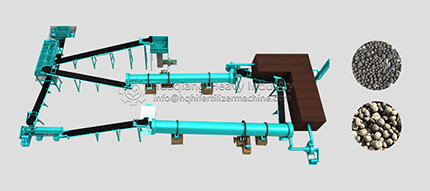
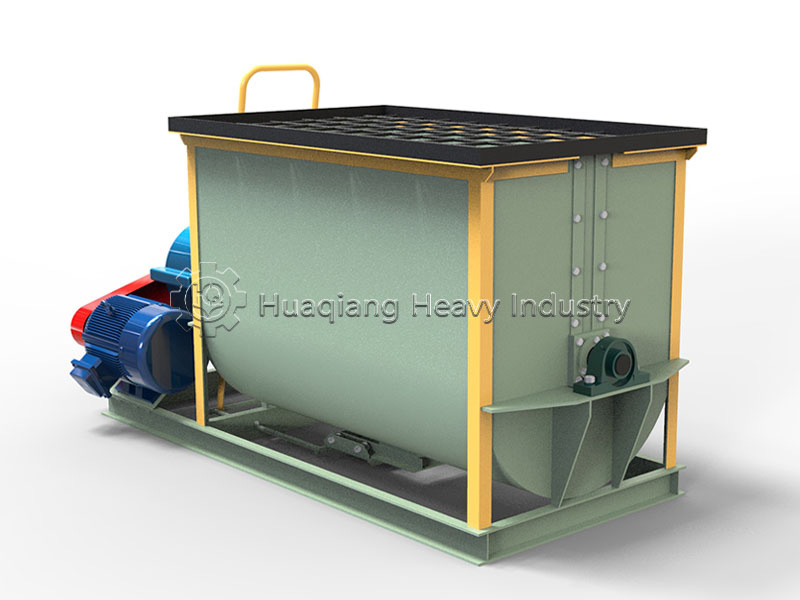
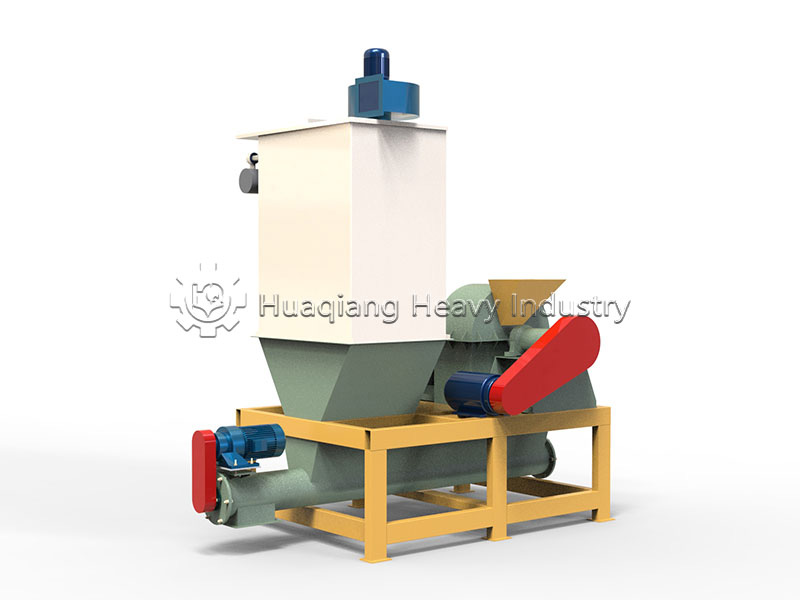
Raw material pretreatment is the fundamental stage of organic fertilizer production. Various organic raw materials contain many impurities, vary in form, and have uneven moisture content, requiring specialized equipment to optimize their state. Core supporting equipment includes a material crusher, screening machine, and horizontal mixer. This crushes and refines large materials such as straw and oilseed cake, removes stones and other impurities, and simultaneously mixes and blends livestock and poultry manure with auxiliary materials in a specific ratio, adjusting the material moisture content to 50%-60% and optimizing the carbon-nitrogen ratio to create stable conditions for subsequent fermentation, ensuring fermentation efficiency and effectiveness.
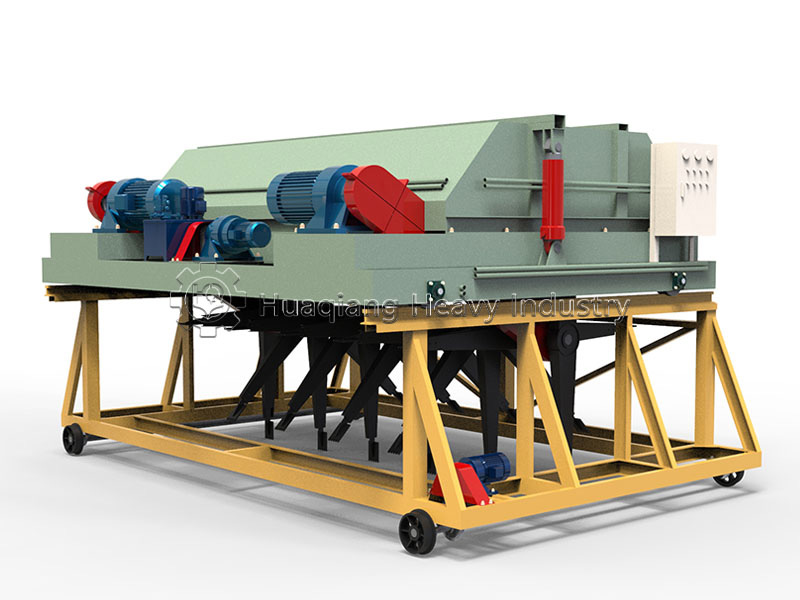
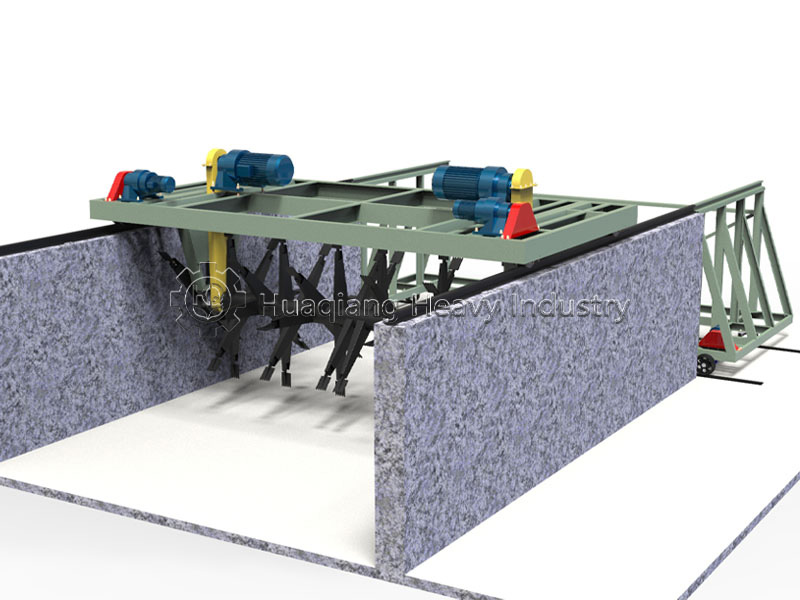
High-temperature aerobic fermentation is the core process of organic fertilizer production, determining the maturity and safety of the fertilizer. The pre-treated material is fed into a fermentation tank, where fermentation is completed using a compost turning machine and ventilation/oxygenation equipment. During production, the material is turned regularly every 3-5 days to ensure aeration and oxygen supply, promoting rapid temperature rise to 55-70℃, effectively killing pathogens, insect eggs, and weed seeds. After 7-10 days of high-temperature fermentation and 15-30 days of post-fermentation maturation, the material is completely rendered harmless and humified, losing its odor and becoming loose in texture, completing the conversion to organic matter.
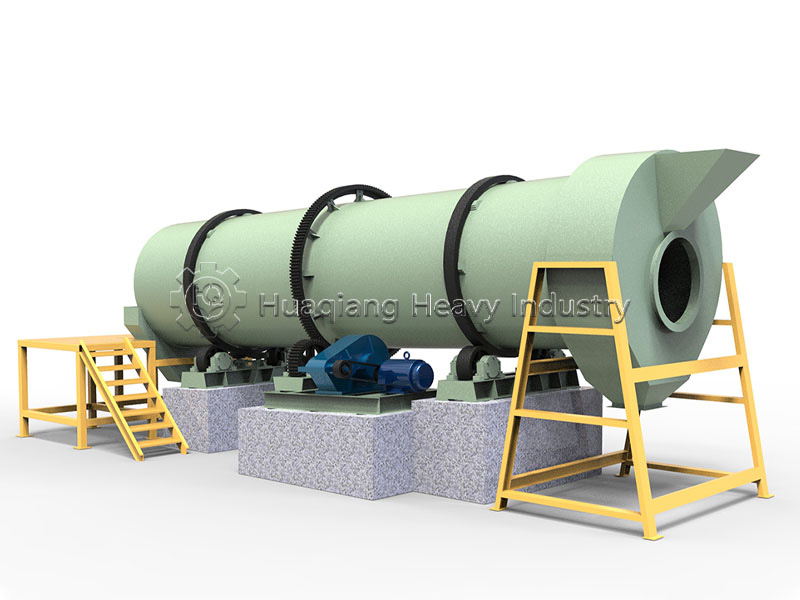
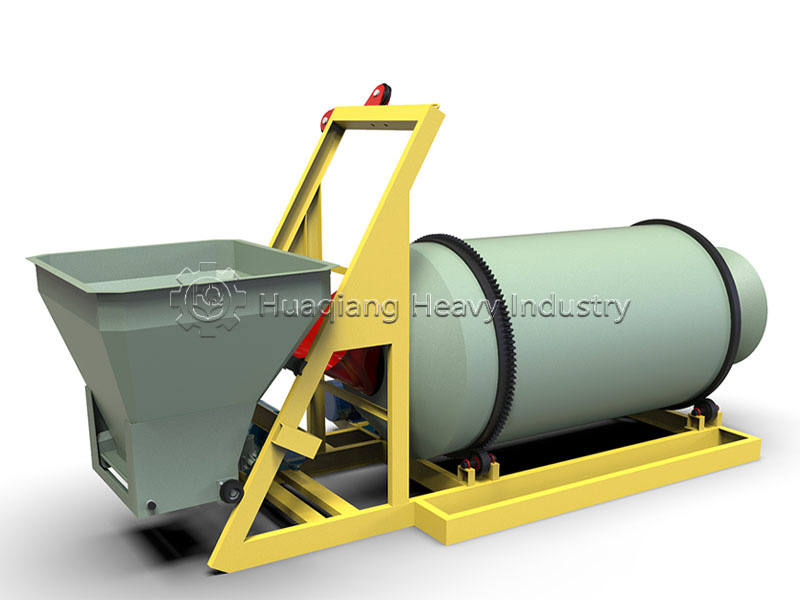
The matured material then enters the deep processing and shaping stage to create standardized finished fertilizer. This stage involves equipment including a fine crusher, drum screen, granulator, dryer, and cooler. After fine pulverization and screening to remove lumps and impurities, the matured material is granulated into uniform particles. Following drying and cooling processes, the fertilizer's moisture content is precisely controlled, improving particle hardness and stability, and preventing clumping and spoilage.
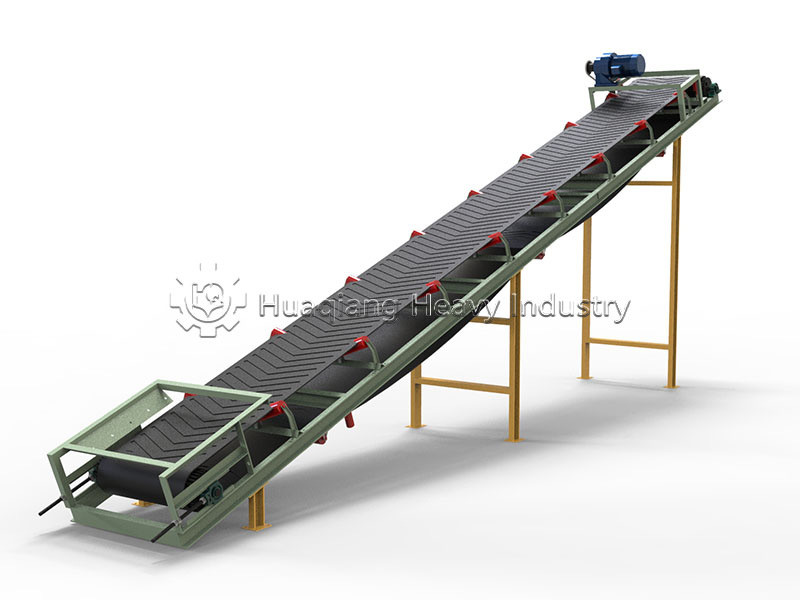
Finally, the finished product is packaged, with the core equipment being an automatic packaging machine and a conveyor. Qualified granular fertilizer is conveyed into the packaging equipment, where it is automatically weighed, bagged, and sealed. The entire process is automated, efficient, and precise, facilitating fertilizer storage, transportation, and sales. The complete organic fertilizer production line features a rational layout and mature technology, enabling waste recycling and achieving both environmental and economic benefits.



.jpg)