The selection of production lines for large-scale organic fertilizer plants directly determines production capacity, product quality, and operational efficiency, and is a crucial prerequisite for a company's success in the market. Unlike the simple configurations of small-scale production lines, large-scale organic fertilizer production lines need to consider the needs of large-scale production, environmental compliance requirements, and long-term operational stability. Selection should focus on key aspects such as capacity matching, process suitability, equipment quality, and environmental compliance to maximize efficiency.
(1)_600x210.jpg)
Precise capacity matching is the primary principle of selection. Large-scale organic fertilizer plants need to determine their production capacity based on market demand and raw material supply capacity, and then select the corresponding organic fertilizer production line configuration. When selecting equipment, it's crucial to avoid situations where the equipment is undersized for the task or where there is excessive production capacity. For example, a production line with an annual output of over 200,000 tons requires efficient continuous fermentation systems, large-scale granulation equipment, and automated packaging lines to ensure smooth production at every stage. At the same time, a 10%-20% capacity buffer should be reserved to cope with fluctuations in raw material supply and market demand growth.
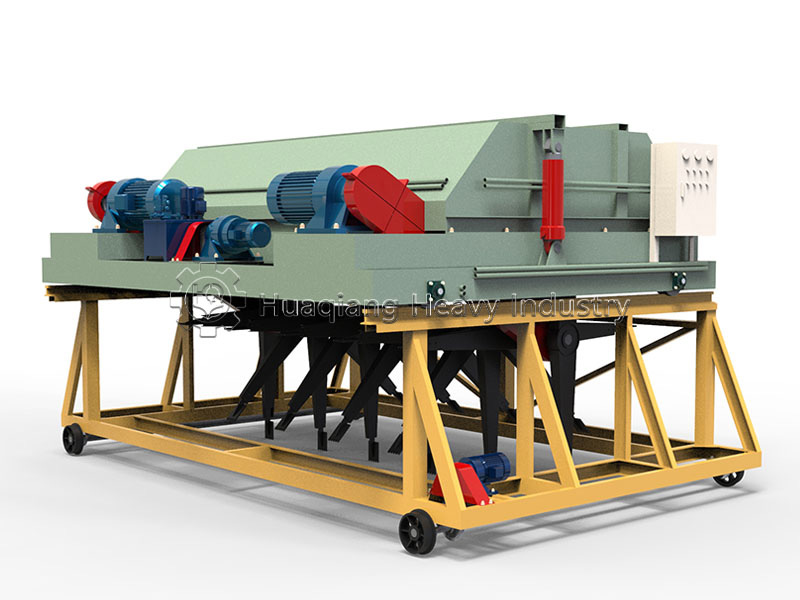
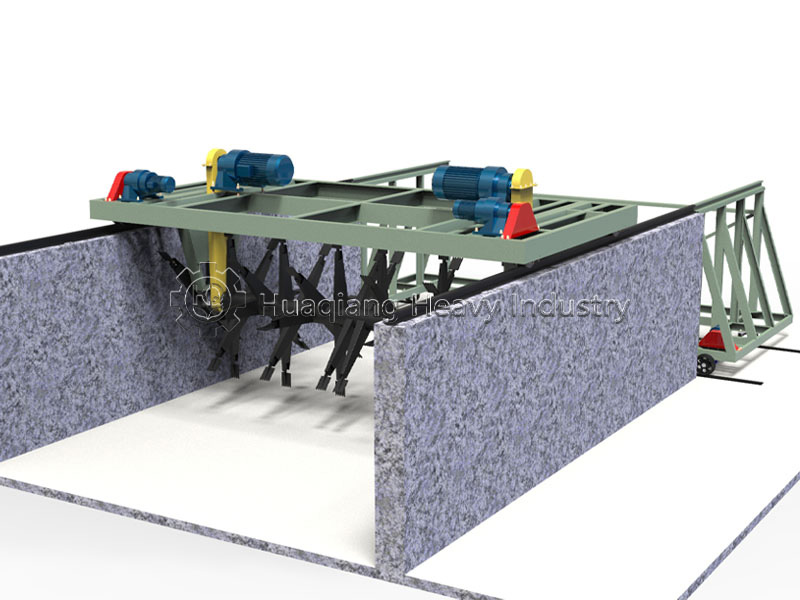
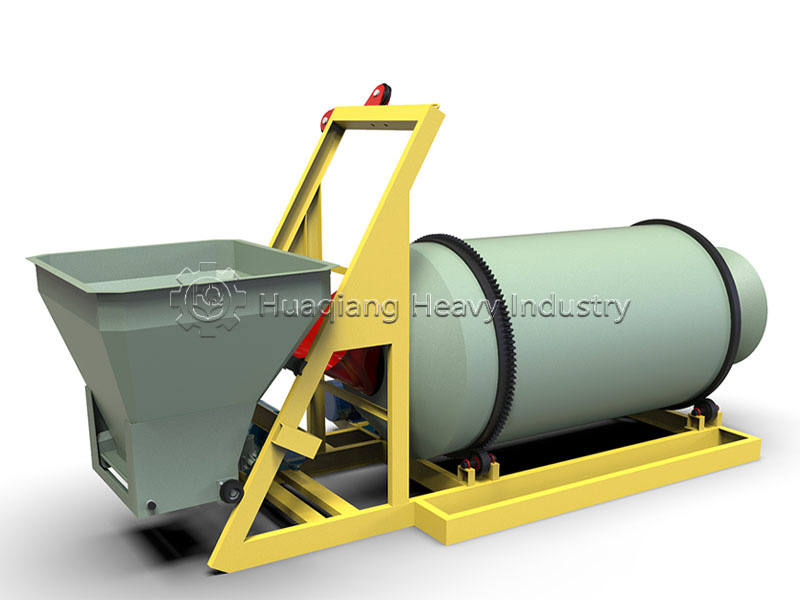
Process suitability to raw materials and product positioning is the core logic. Different raw materials (livestock and poultry manure, straw, kitchen waste, etc.) have significantly different physical and chemical properties, requiring the selection of appropriate processes. For example, if livestock and poultry manure is the main raw material, high-temperature aerobic fermentation and large-scale turning machines should be prioritized; if granular organic fertilizer is produced, a disc granulator or a new type organic fertilizer granulator should be selected based on the moisture content and nutrient content of the raw materials. In addition, product positioning determines process details; organic fertilizers for high-end cash crops require additional fine processing steps such as screening and cooling.
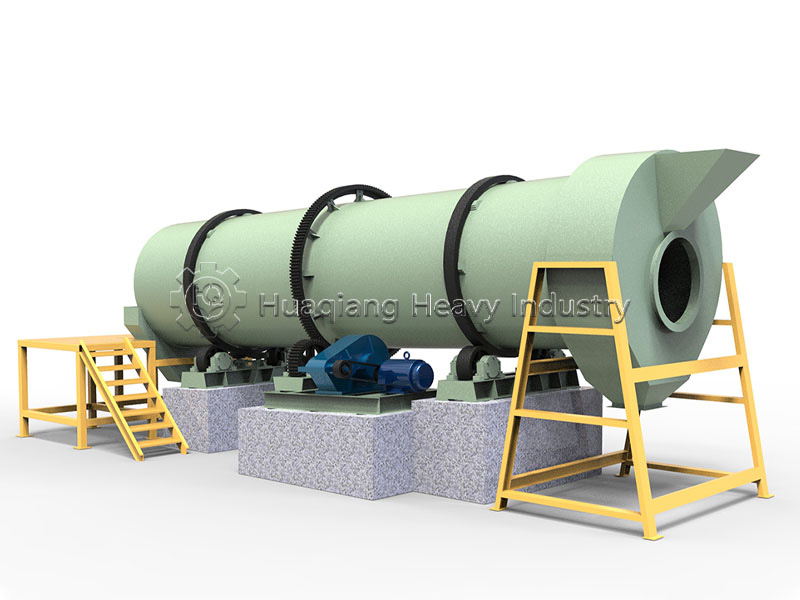
Equipment quality and stability are crucial for operational efficiency. Large-scale production lines operate under high load for extended periods, and the quality of the organic fertilizer machine is key to reducing downtime due to malfunctions. Core equipment such as fermentation turning machines and dryers should be made of high-quality materials with stable transmission systems, and manufacturers with comprehensive after-sales maintenance services should be prioritized. At the same time, energy consumption should be considered, and energy-efficient equipment should be selected to reduce long-term operating costs.
Environmental compliance is a mandatory requirement for selection. Current environmental policies are becoming increasingly stringent, and production lines need to be equipped with complete environmental protection facilities, such as exhaust gas treatment systems (deodorization and dust removal) and wastewater recycling equipment, to ensure that exhaust gas and wastewater emissions meet national standards. During the selection process, it is necessary to coordinate with local environmental regulations in advance and incorporate environmental protection equipment into the overall production line configuration to avoid increased costs and production losses caused by later modifications.


.jpg)