What are the different categories of organic fertilizer production equipment?
2026/01/16
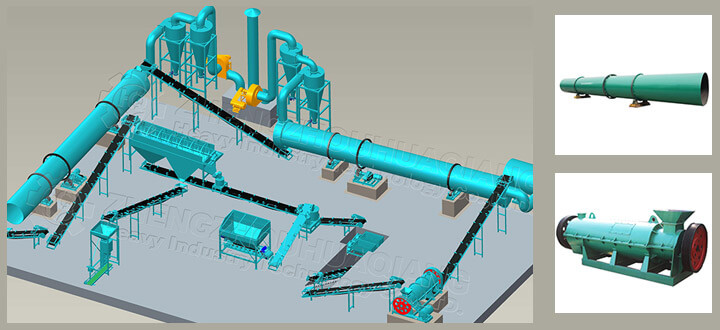
Organic fertilizer production is a systematic engineering process that transforms agricultural waste, livestock manure, and other materials into high-quality fertilizers. Different production stages require specific equipment. Based on the production process, organic fertilizer production equipment can be divided into three core categories: pre-treatment equipment, fermentation equipment, and post-treatment equipment. These different types of equipment work together to ensure efficient production and product quality.
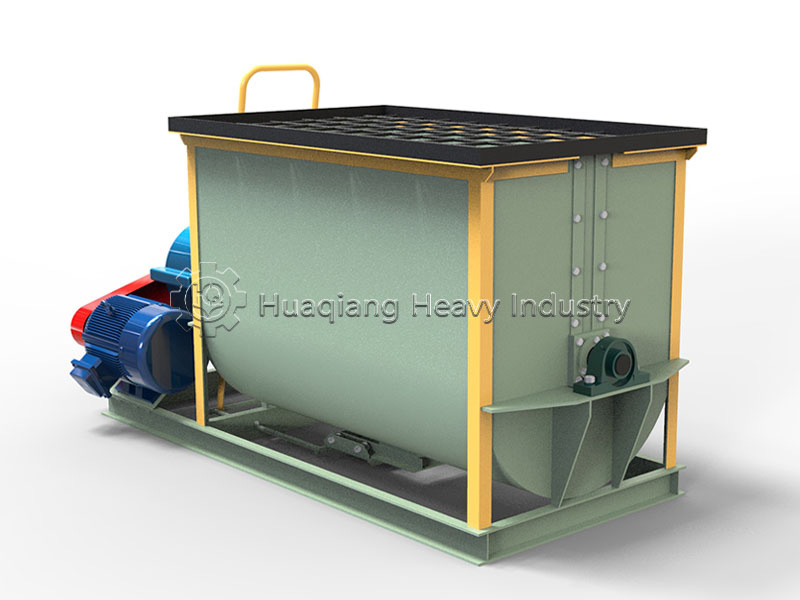
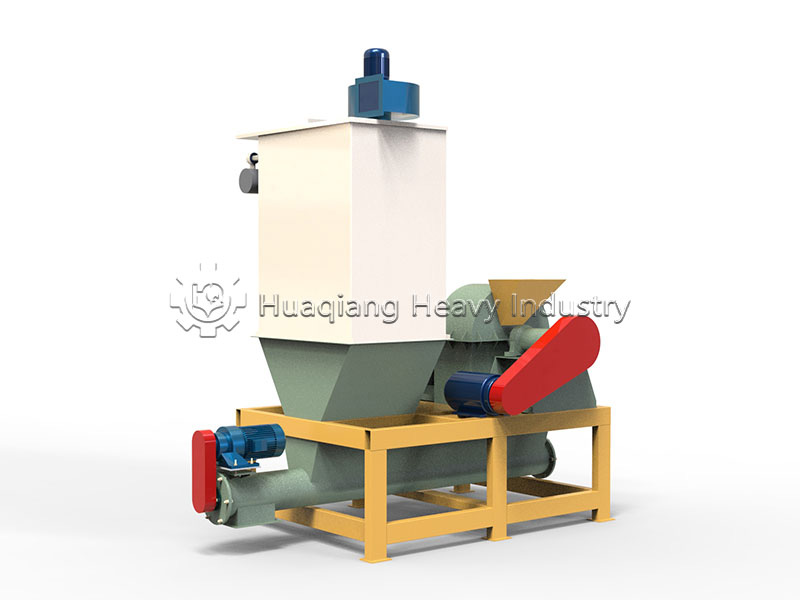
Pre-treatment equipment is the foundational stage of organic fertilizer production. Its core function is to optimize the physical state and composition of raw materials, creating favorable conditions for subsequent fermentation and maturation. This category mainly includes three core types of machines: crushers, screening machines, and mixers. Crushers, often using chain and cage crushers, can precisely crush large raw materials such as straw, oilseed cakes, and fallen leaves into uniform particles of 5-10mm, effectively increasing the contact area between microorganisms and raw materials, significantly improving subsequent fermentation efficiency; screening machines, through multi-layer screen design, can efficiently remove stones, metal impurities, plastic fragments, and other foreign objects mixed in the raw materials, ensuring the purity of the raw materials; mixers can thoroughly mix and blend various organic raw materials with fermentation agents and conditioners according to preset ratios, ensuring balanced nutrient conversion during the fermentation process.
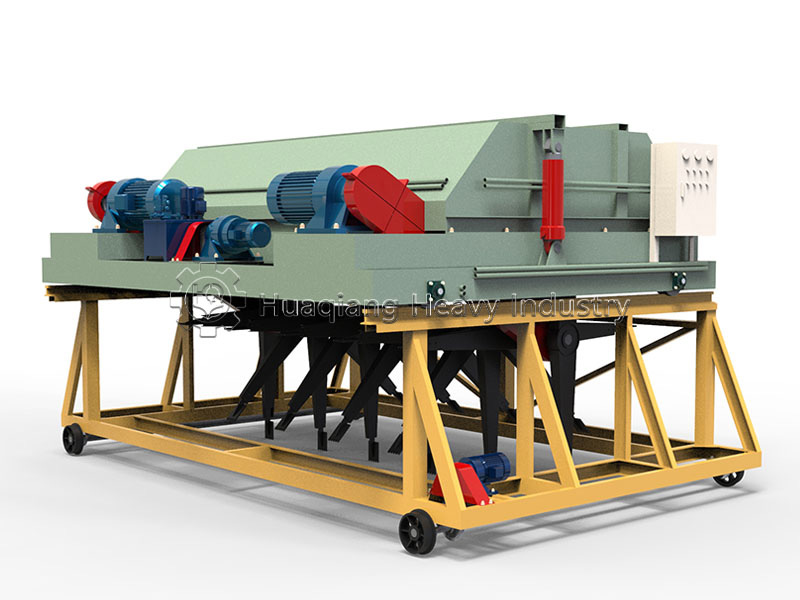
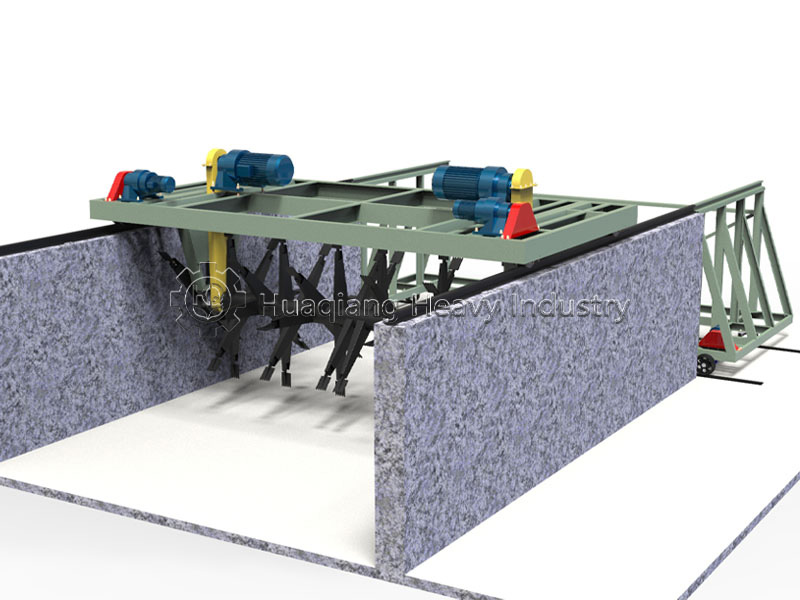
Fermentation equipment is the core of organic fertilizer production, determining the quality of material maturation. Common types include trough-type turning machines, windrow compost turning machines, and large-wheel compost turning machines. Trough-type turning machines are suitable for large-scale production, ensuring oxygen supply through turning to accelerate fermentation; windrow turning machines are highly flexible and suitable for small-scale or space-constrained scenarios; large wheel compost turning machines provide uniform turning and are suitable for large-scale production, shortening the fermentation cycle to 7-10 days and offering greater environmental protection.
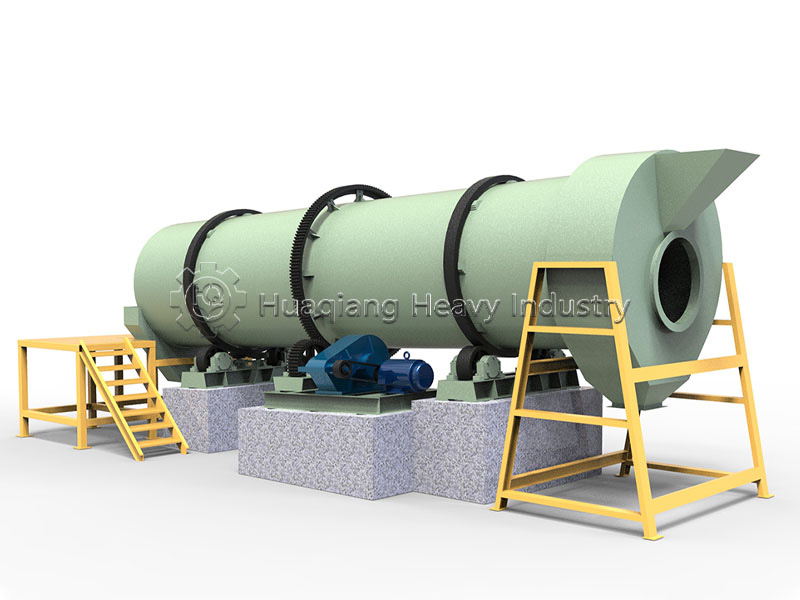
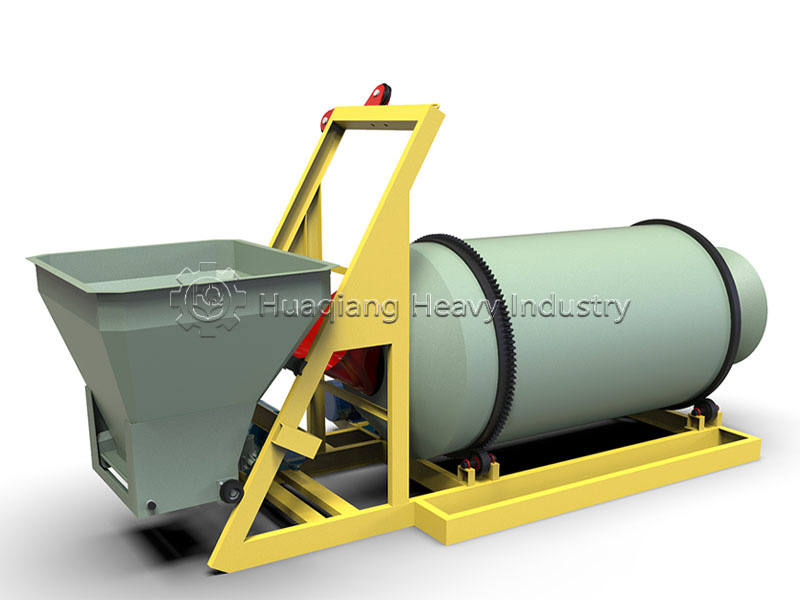
Post-treatment equipment is a crucial stage in enhancing the commercial attributes of organic fertilizer. The core objective is to process the matured material into standardized products that are easy to store, transport, and apply. This mainly includes four categories of equipment: granulation, drying and cooling, screening, and packaging. The granulation equipment comes in a wide variety of types. Organic fertilizer granulation machines come in various types, including disc granulators and new-type organic fertilizer granulators, suitable for different needs ranging from small-scale pilot production to large-scale mass production. The dryer uses a hot air circulation heating method, which can quickly reduce the moisture content of granular materials to below 15%, preventing mildew during storage. The cooler rapidly reduces the temperature of the granules through forced air cooling, preventing high-temperature granules from clumping and sticking together. The rotary screen separates out unqualified large particles or fine powder, which are then crushed and reused. Finally, an automatic packaging machine completes quantitative weighing and packaging. The fully automated operation significantly improves production efficiency and ensures consistent product specifications.
In summary, every link in the organic fertilizer production line relies on dedicated equipment. In actual production, companies need to scientifically select and rationally combine various types of equipment based on their production scale, raw material types, and product positioning.



.jpg)