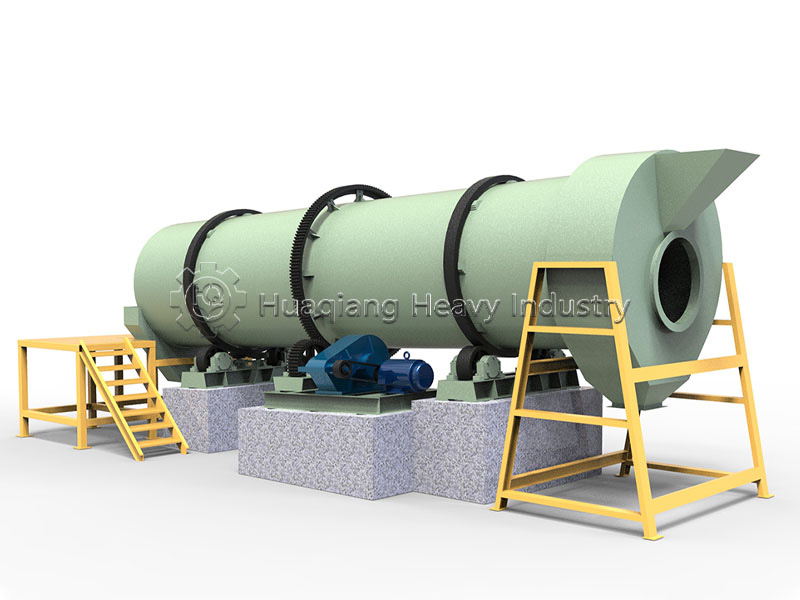
With the advancement of green transformation in agriculture, organic fertilizer is replacing chemical fertilizer, becoming a trend. A high-quality organic fertilizer production line is crucial for realizing the resource utilization of organic waste and ensuring fertilizer quality. Faced with a wide variety of production lines on the market, many investors fall into selection pitfalls. Choosing the right production line can not only reduce operating costs but also enhance product competitiveness. The key is to grasp four core points.
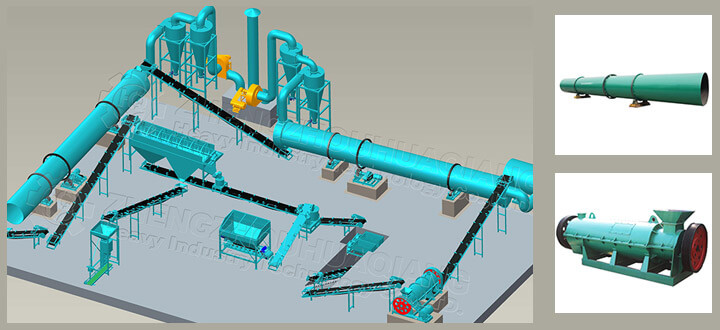
Capacity matching is the foundation of selection, requiring precise positioning based on one's own needs. Small farms and cooperatives are suitable for mobile or semi-automatic production lines, balancing flexibility and low cost; medium-sized processing plants can choose production lines with moderate automation levels, balancing efficiency and investment; large enterprises need to configure fully automated intelligent production lines to achieve large-scale continuous production. Blindly pursuing large capacity or seeking low-priced small equipment will lead to energy waste or insufficient capacity, affecting long-term benefits.
Technical strength and equipment quality are core guarantees. A high-quality production line must possess key technologies such as efficient fermentation and stable granulation. Prioritize equipment using intelligent temperature-controlled fermentation and energy-saving granulation processes, which can shorten the fermentation cycle and improve granule formation rate and nutrient content. Meanwhile, the equipment materials must meet standards, and core components should be made of wear-resistant and corrosion-resistant materials to ensure service life and avoid frequent maintenance disruptions to production.
Environmental compliance is a bottom-line requirement and cannot be ignored. Current environmental policies are becoming increasingly stringent, requiring production lines to be equipped with comprehensive deodorization, dust removal, and wastewater treatment equipment to ensure that exhaust gas, wastewater, and dust emissions meet standards, avoiding production shutdowns and rectification due to non-compliance. Prioritize production lines that can provide environmental compliance solutions and meet standards to reduce policy risks.
Comprehensive after-sales service is the guarantee of long-term operation. High-quality fertilizer machinery manufacturers should provide full-process services from site planning and equipment installation and commissioning to technical training and troubleshooting, promising rapid response to after-sales needs and providing warranties for core components. Furthermore, supplier case studies and reputation can be used to verify their delivery capabilities and service levels.
When selecting an organic fertilizer production line, the misconception of "price over quality" should be avoided. A comprehensive consideration of four factors—capacity, technology, environmental protection, and after-sales service—combined with the characteristics of one's own raw materials and budget, is necessary to select a suitable customized solution to maximize the benefits of organic waste resource utilization and inject momentum into green agricultural development.


.jpg)