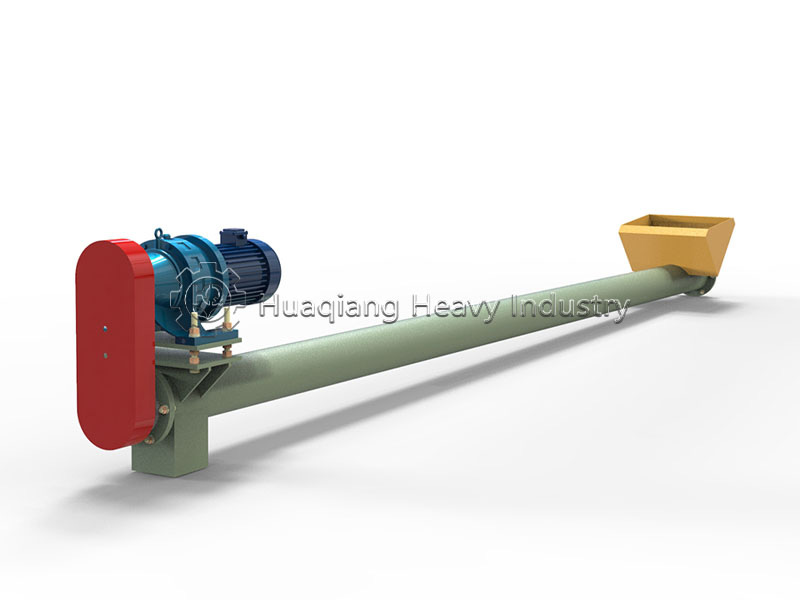


Often referred to in the industry as an “auger,” the screw conveyor is a type of conveying equipment that utilizes rotating helical blades to move bulk materials along a fixed casing. Capable of transporting materials horizontally, at an incline, or even vertically, it is widely used across numerous sectors—including construction materials, chemicals, electric power, metallurgy, coal, grain, food processing, and environmental protection—thanks to advantages such as a compact structure, excellent sealing, and ease of operation.
Once the motor starts, power is transmitted via a hardened-gear reducer and a coupling to the main screw shaft, causing the screw flights fixed to the shaft to rotate at a constant speed.
Material enters the trough through the inlet; the material's own weight and the friction between the material and the trough walls prevent it from simply rotating in place with the flights. The axial thrust generated by the flights drives the material to move steadily along the trough—much like a nut advancing along a threaded rod—until it is discharged from the outlet, thereby achieving continuous conveying.
The conveying inclination angle, flight pitch, main shaft rotation speed, and material filling coefficient directly determine the hourly conveying capacity.
Screw conveyors are versatile conveying devices widely used in sectors such as metallurgy, construction materials, grain processing, chemicals, and waste management. Here, we focus on the specific application points within the fertilizer processing industry—a key sector for Huaqiang Heavy Industry's client base:
Raw Material Storage: Materials such as fermented cow manure, chicken manure, urea, monoammonium phosphate, and potash are conveyed from storage silos to semi-wet material crushers for pulverization.
Batching: Various powdered raw materials are quantitatively fed into a twin-shaft mixer by multiple variable-frequency screw conveyors, with mixing ratios controlled by adjusting rotation speeds.
Granulation: The mixed material is conveyed to disc granulators, rotary drum granulators, or extrusion granulators.
Post-processing: Granulated fertilizer is transported to dryers, coolers, and rotary screening machines.
Finished Product Handling: Compliant fertilizer granules are conveyed to packaging scales for quantitative bagging.
For moist organic fertilizer raw materials, factories typically prioritize shaftless screw conveyors; for highly corrosive acidic fertilizer materials, 304 stainless steel screw conveyors are selected to prevent equipment rust from contaminating the finished product.
Other common application areas include feed processing, powder transport in cement plants, conveying powdered raw materials in chemical plants, and the transport of food waste.
Fertilizer workshop environments are often humid, and fertilizers are corrosive; cheap, standard conveyors are prone to rapid wear and rusting, while frequent material blockages can disrupt the entire production line's schedule. When selecting a manufacturer, consider the rigorous standards established by Huaqiang Heavy Industry through years of equipment manufacturing:
The manufacturer possesses experience in producing complete sets of fertilizer line equipment and can customize flight materials and configurations based on your specific raw materials (e.g., chicken manure, sheep manure, compound fertilizer powder);
Components utilize thickened, wear-resistant materials, and hanger bearings feature dust-proof designs; stainless steel customization options are available for corrosive environments;
Comprehensive after-sales services are provided, including installation guidance, production line layout planning, and long-term spare parts supply;
Personalized customization options are available, such as variable frequency speed control, multi-point feeding, and mobile support structures.
| Model |
Screw Diameter
(mm) |
Rotation Speed
(r/min) |
Capacity
(m³/h) |
|
LS160 |
160 |
112 | 9.7-3.2 |
| 90 | 7.8-2.6 | ||
| 71 | 6.2-2.1 | ||
|
56**
|
4.9-1.6 | ||
|
LS200 |
200 |
100 | 16.9-5.6 |
| 80 | 13.5-4.5 | ||
| 63 | 10.7-3.6 | ||
|
50**
|
8.5-2.8 | ||
|
LS250 |
250 |
90 | 29.9-9.9 |
| 71 | 23.5-7.8 | ||
|
56**
|
18.5-6.2 | ||
|
45**
|
14.9-5.0 | ||
|
LS315 |
315 |
80 | 52.9-17.6 |
| 63 | 41.6-13.9 | ||
|
50**
|
33.1-11.0 | ||
|
40**
|
26.4-8.8 | ||
|
LS400 |
400 |
71 | 85.3-28.2 |
| 56 | 67.3-22.4 | ||
|
45**
|
54.1-18 | ||
|
36**
|
43.2-14.4 |
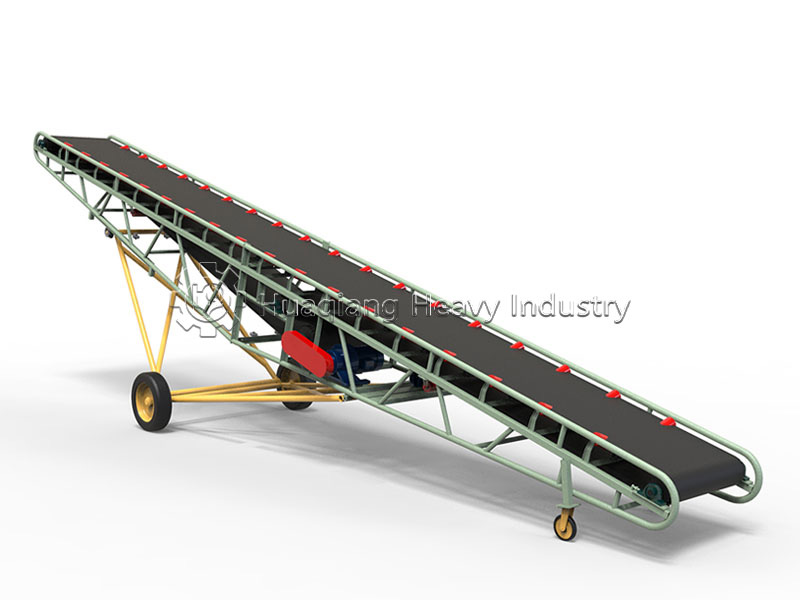
Mobile belt conveyors offer flexible mobility and stable material transport; they are widely used for transferring bulk fertilizer and allow for convenient operational adjustments.
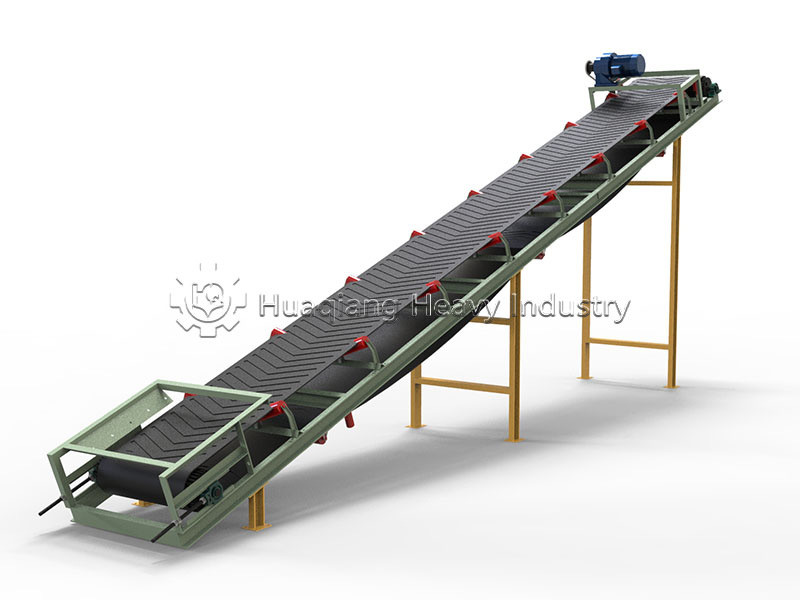
Belt conveyors are among the most widely used continuous conveying equipment in the industrial sector. They are used at the connection points between various pieces of equipment in fertilizer production lines.
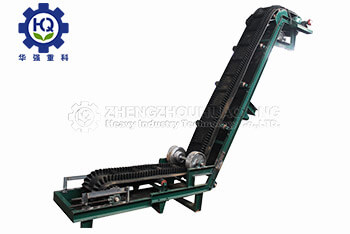
Large angle belt conveyors can transport bulk materials at angles ranging from 0° to 90°; they feature a compact footprint and high conveying capacity, and are widely used in the fertilizer production industry.