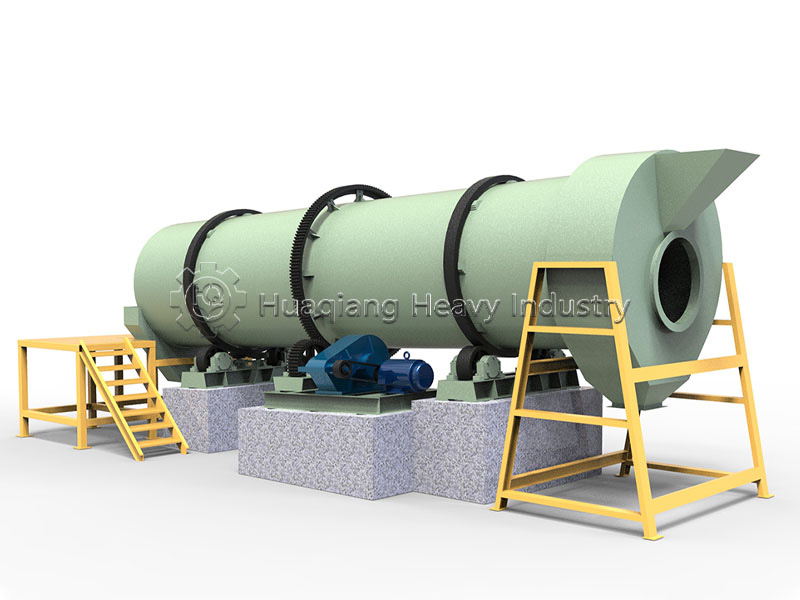
With the development of green agriculture, the demand for organic fertilizers is soaring, and many newcomers are entering the organic fertilizer production industry. However, organic fertilizer production equipment comes in many varieties and price ranges, and making blind decisions during purchase can easily lead to problems. The following key considerations will help beginners make accurate selections and reduce risks.
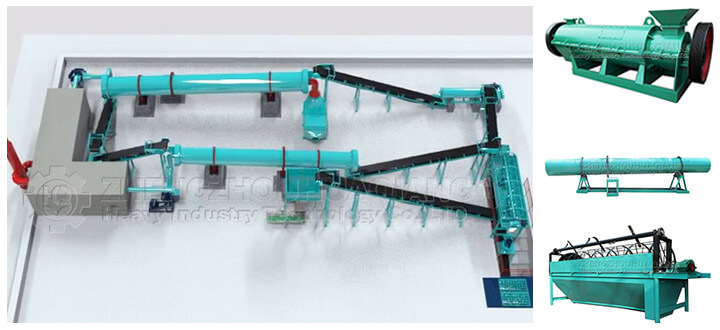
Clearly defining production needs is paramount. Beginners must first determine the production capacity, whether it's a small family workshop (1-5 tons per day) or large-scale production (more than 10 tons per day). Production capacity directly determines the equipment model and combination. It's also crucial to identify the type of raw materials, such as livestock manure, crop straw, and kitchen waste, as different raw materials require different crushing and fermentation equipment. Furthermore, it's necessary to select drying and dust removal equipment that meets local environmental protection standards to avoid subsequent modification costs.
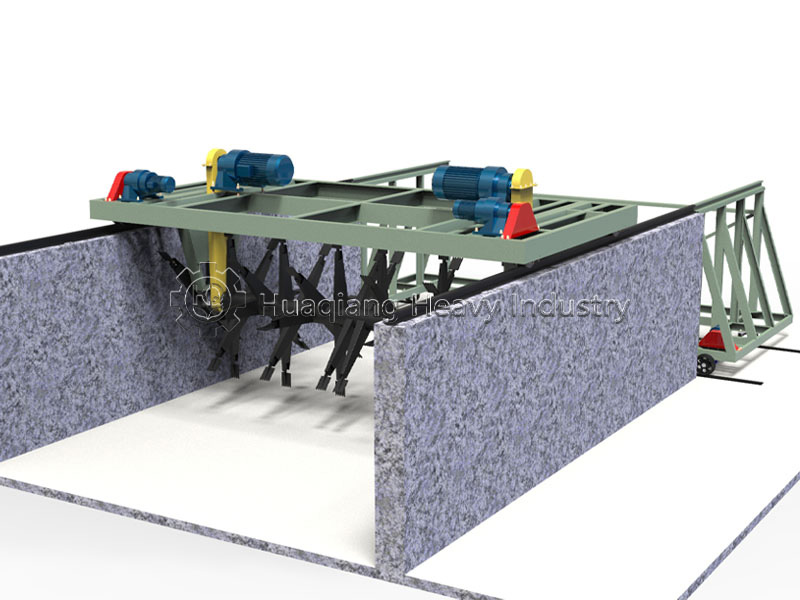
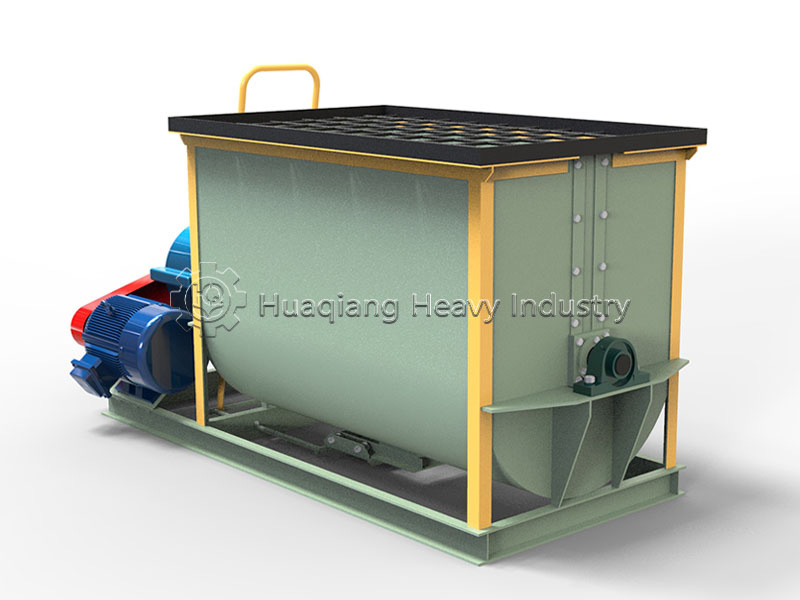
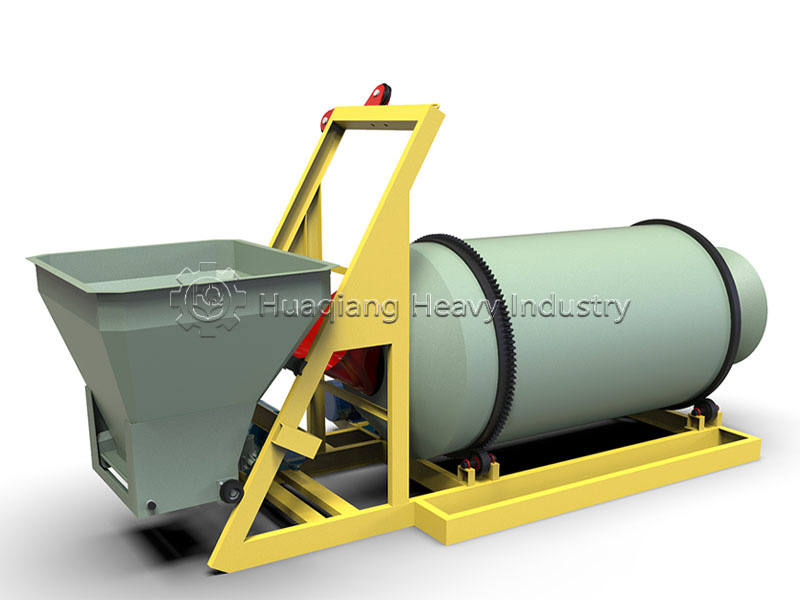
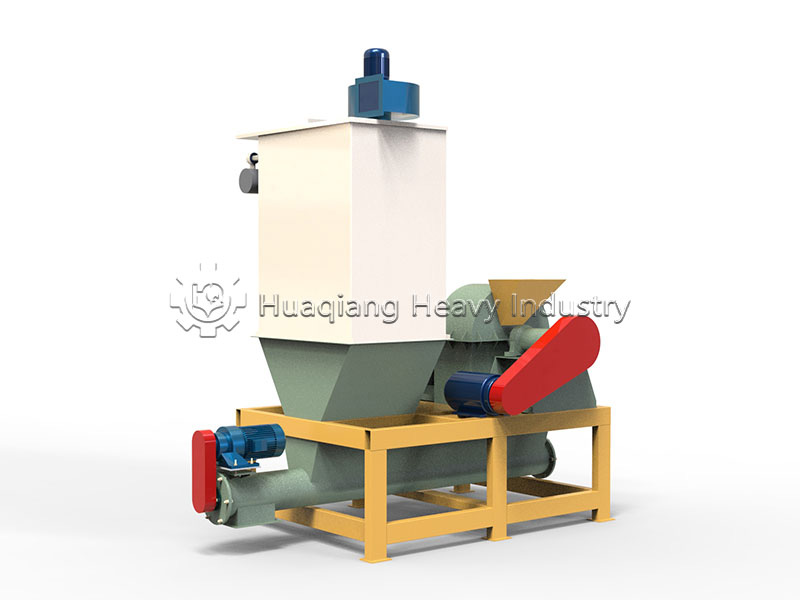
Strictly control equipment quality and technology. High-quality organic fertilizer machine is essential for stable production. Beginners should prioritize reputable fertilizer machinery manufacturers with good track records, checking the materials of core components, such as the hammer heads of the crusher and the blades of the mixer, to ensure durability and wear resistance. Attention should also be paid to the maturity of the production process. A complete organic fertilizer production line should include fermentation, crushing, mixing, granulation, drying, and screening. Beginners can choose a complete set of equipment or configure it step by step according to their budget, avoiding product quality issues due to incomplete processes.
Accurately calculate costs and cost-effectiveness. Beginners need to consider the equipment purchase price, transportation costs, and installation and commissioning costs, while also estimating subsequent operating energy consumption and maintenance costs. Avoid blindly pursuing low-priced equipment, as these often have performance defects, and frequent breakdowns will increase downtime losses. It is recommended to compare multiple manufacturers, prioritizing equipment with high cost-effectiveness and low energy consumption, and confirming that the equipment's production capacity meets the requirements to avoid "inflated capacity" issues.
Emphasize after-sales service and technical support. Organic fertilizer production involves professional aspects such as equipment debugging and process optimization. Beginners need to choose manufacturers that provide comprehensive after-sales service to ensure timely repairs in case of equipment failure. Also, consider whether the manufacturer provides technical training, including raw material ratios and fermentation parameter control, to help quickly master production techniques and improve product qualification rates.
In short, beginners purchasing organic fertilizer equipment should base their decisions on their own needs, considering quality, cost, and after-sales service. Comparing multiple options and conducting thorough research will help select suitable equipment and lay a solid foundation for future production.



.jpg)