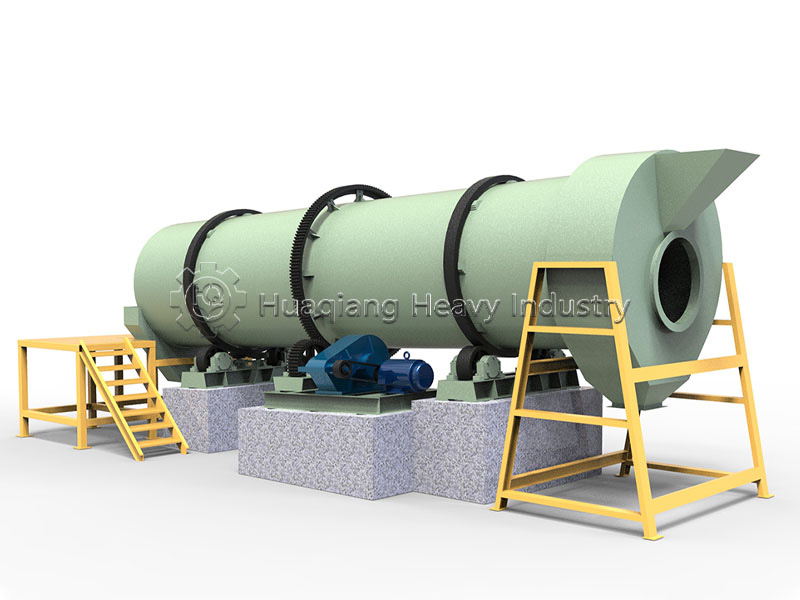
Organic fertilizer equipment is the core carrier for the resource utilization of livestock and poultry manure, straw, and other waste materials. As a critical component of the organic fertilizer production line, its stable operation directly determines production efficiency and product quality. Proper maintenance and inspection of organic fertilizer machine can extend its service life and prevent safety hazards. This requires focusing on key aspects such as core components, operating status, and environmental management, and paying attention to the following key points.
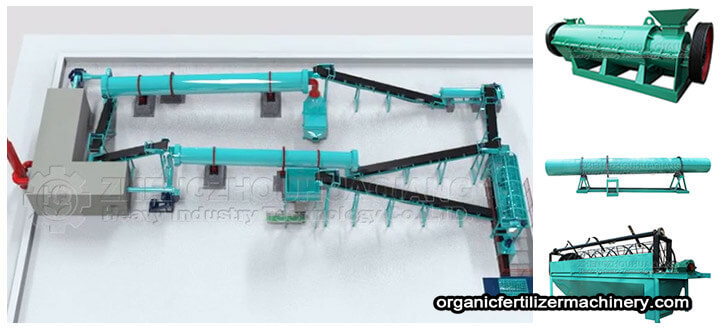
Checking core components is fundamental, focusing on easily worn and high-load parts. In the transmission system, motors, reducers, and chains need regular inspection. Check if the motor's operating temperature and noise are normal, and if the reducer's lubricating oil level and quality meet standards, replenishing or replacing the lubricant as needed. Chains should be cleaned of debris and their tension checked to prevent loosening or jamming. For working parts such as crushing, mixing, and granulation components, check the wear of blades, liners, and molds, and grind or replace them promptly to prevent substandard material processing due to component wear, and to avoid equipment failure caused by component breakage.
Safety protection and operation monitoring are crucial for ensuring production safety. Regularly inspect the equipment's safety protection devices, such as protective covers, emergency stop buttons, and safety valves, to ensure they are intact and effective, preventing personal injury or equipment damage due to lack of protection. During operation, monitor parameters such as voltage, current, and pressure in real time, and check for leaks in pipelines and connections. Especially for fermentation and drying equipment, check the sealing performance to prevent the leakage of harmful gases, ensuring both safety and environmental protection.
Cleaning, maintenance, and environmental adaptation are key to extending equipment life. After the equipment is shut down, thoroughly clean the internal residual materials to prevent material caking and corrosion of the equipment's inner walls, especially cleaning accumulated material in dead corners. Based on the equipment material and operating environment, implement anti-corrosion and moisture-proof measures. Equipment placed outdoors should be covered with protective sheds to prevent rain erosion and sun exposure from causing component corrosion. Regularly clean debris around the equipment to maintain a clean working environment and reduce the impact of dust and debris on equipment operation.
Standardized operation and record-keeping are important safeguards. Maintenance and inspection must follow operating procedures, and unauthorized disassembly and repair are strictly prohibited to avoid secondary damage. Operators must keep detailed inspection records, clearly noting the inspection time, component status, maintenance content, and handling of potential problems, ensuring full traceability of the entire process. In addition, comprehensive inspections should be conducted regularly, and a targeted maintenance plan should be developed based on equipment operating time to ensure early detection and resolution of issues, preventing minor problems from escalating into major failures.
The maintenance and inspection of organic fertilizer equipment must be regular and meticulous, taking into account component wear, safe operation, and environmental suitability, in order to maximize equipment efficiency and safeguard the large-scale, standardized production of organic fertilizers.



.jpg)