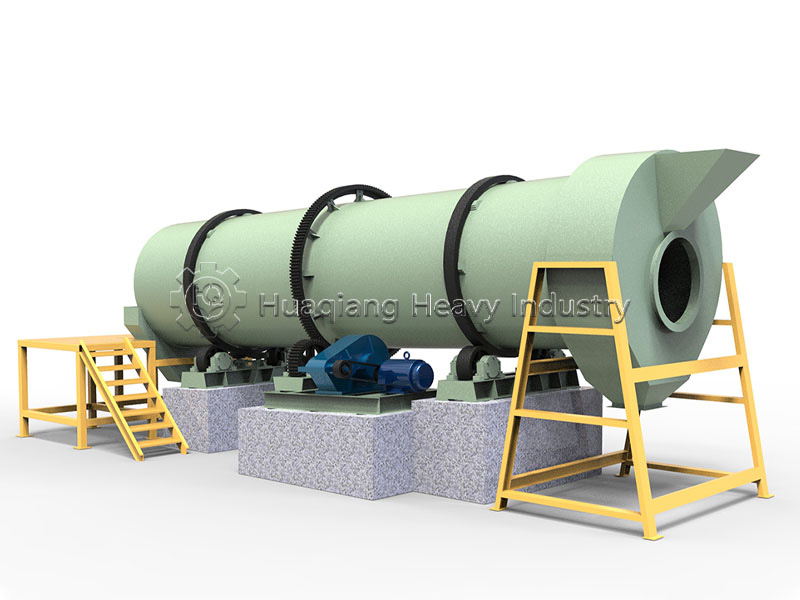
The maintenance cycle for organic fertilizer production equipment needs to be determined comprehensively based on the equipment type, operating load, and material characteristics. Scientifically controlling the cycle can extend the equipment's lifespan and ensure the production efficiency and product quality of the organic fertilizer production line. The maintenance cycles vary significantly between different core pieces of equipment and can be divided into three categories: daily maintenance, periodic maintenance, and long-term downtime maintenance, taking into account practicality and operability.
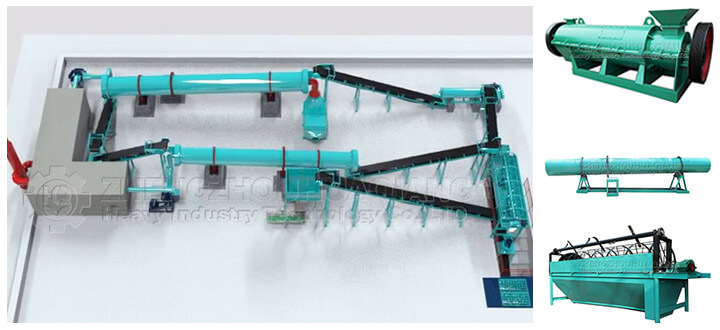
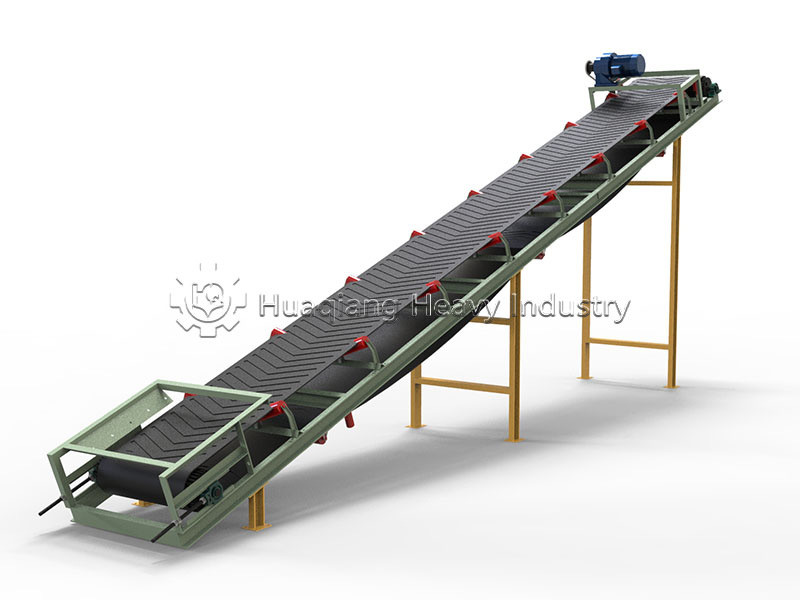
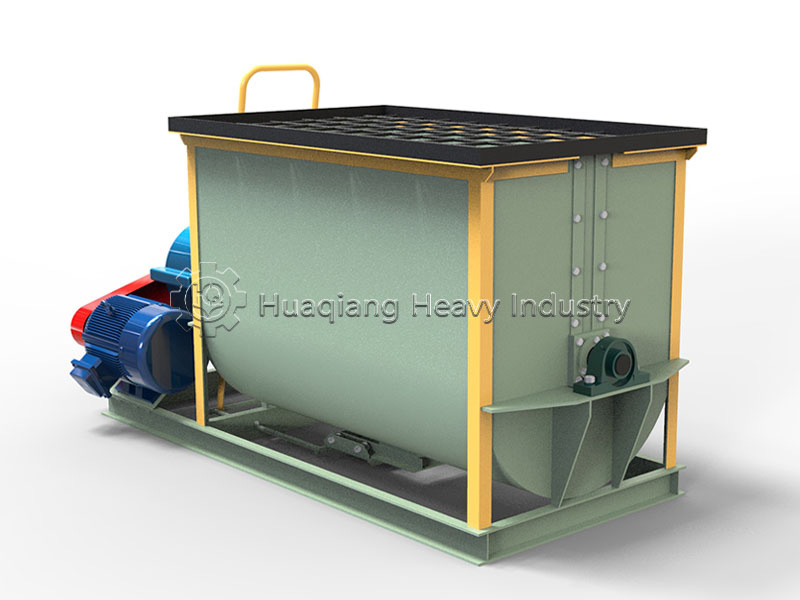
Daily maintenance is fundamental, occurring after the end of each day's production. It applies to all organic fertilizer production equipment, is time-efficient, and highly targeted. Key checks include inspecting the wear of the crusher's hammers, the belt tension of the conveyor, and removing residual material from the drums and hoppers to prevent material agglomeration and corrosion. Simultaneously, check the sealing performance of the mixing tank and fermentation tank, promptly clean any residue from the tank walls, check the lubricating oil level, and replenish any missing lubricating oil to prevent dry friction damage to components.
Periodic maintenance is divided into monthly, quarterly, and annual levels, adapted to components with different levels of wear. Monthly maintenance (approximately every 30 days) focuses on inspecting the screw conveyor blades and reducer gear wear, calibrating the accuracy of metering equipment, and checking motor operating temperature and circuit connections. Quarterly maintenance (approximately every 90 days) requires disassembling and inspecting the crusher screen and granulator mold, replacing severely worn parts, and thoroughly lubricating and derusting key components such as bearings and gears.
Annual maintenance (approximately every 365 days) is a comprehensive overhaul, requiring shutdown for disassembly and inspection of all equipment, replacement of aging seals and cables, calibration of equipment installation accuracy, cleaning of internal scale and corrosion, and comprehensive debugging of the fermentation and drying systems to ensure stable operation in the following year.
If equipment is to be shut down for an extended period (more than 15 days), specialized maintenance is required. This includes cleaning all materials from inside the equipment, applying rust-preventive oil to metal parts, shutting off electrical and water circuits, and ensuring dust and moisture protection to prevent component aging and damage due to prolonged idleness. Following these maintenance cycles effectively reduces equipment failure rates, improves the continuity of organic fertilizer production, and safeguards production efficiency.



.jpg)