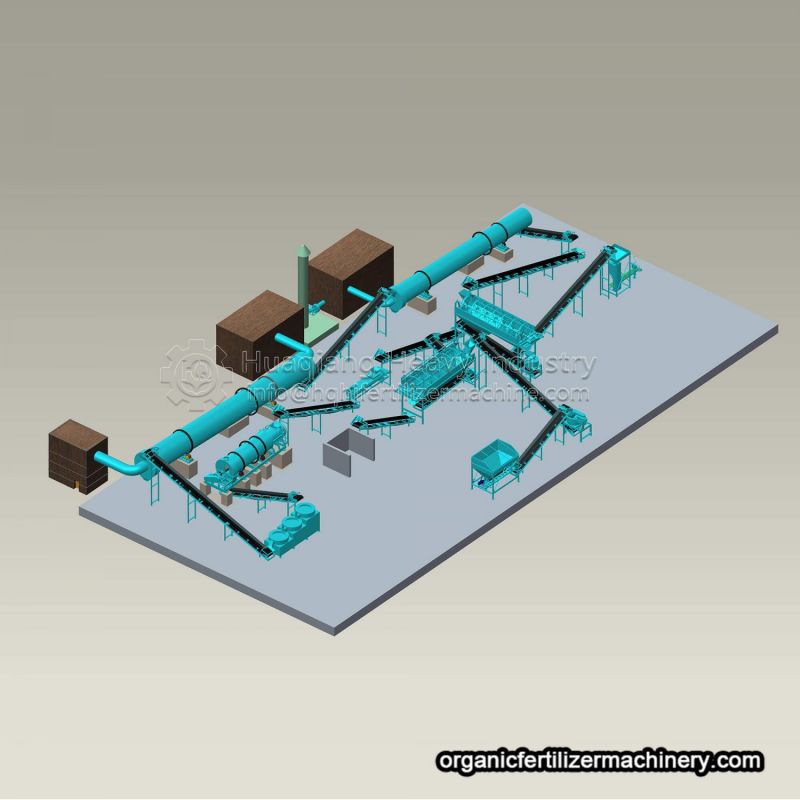
As a core pillar of green agriculture, the production of organic fertilizer relies on a scientifically integrated suite of equipment. From raw material processing to the final product leaving the factory, every stage is supported by specialized machinery, ensuring both production efficiency and fertilizer quality. A complete organic fertilizer production line consists of core equipment categorized—according to the production workflow—into four main groups: raw material processing, fermentation, deep processing, and finished product packaging. Each category performs its specific function while operating in seamless coordination with the others.
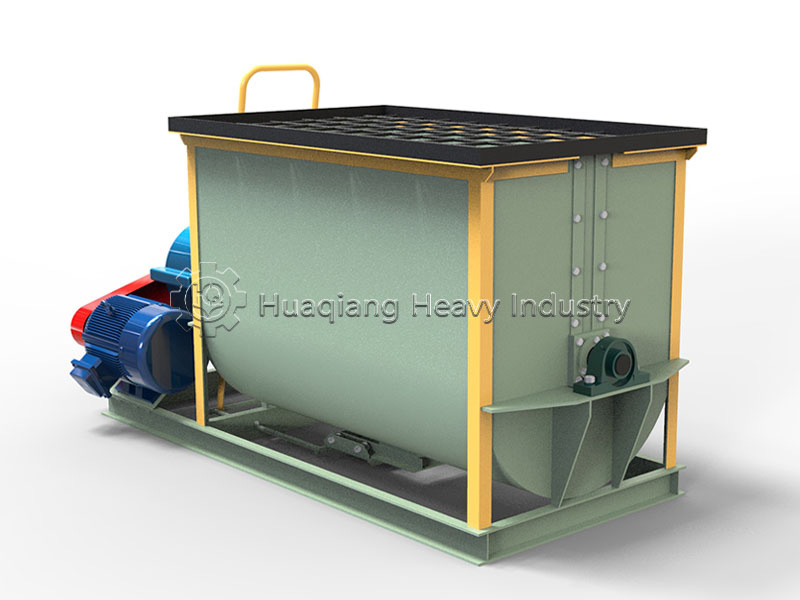
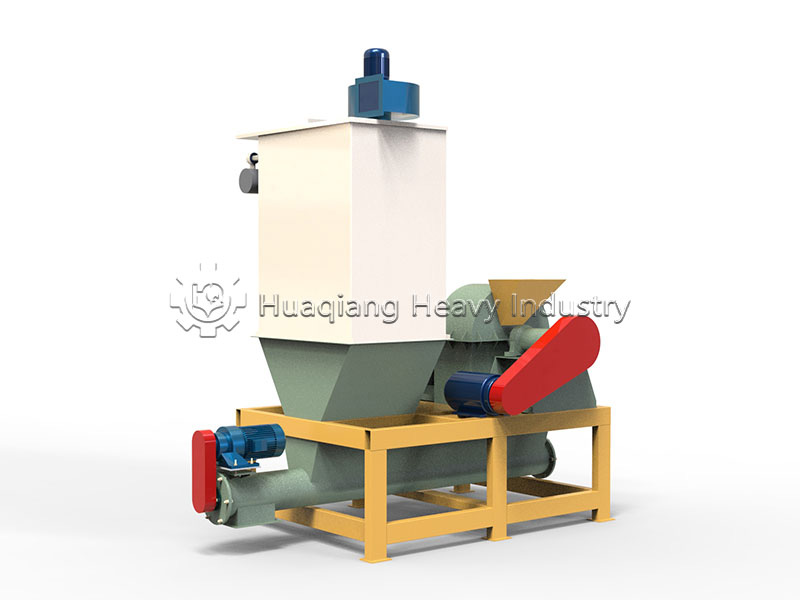
Raw material processing equipment serves as the "first gateway" of the production line; its core components include crushers, mixers, and screening machines. Crushers are primarily used to break down raw materials—such as livestock and poultry manure, crop stalks, and fallen leaves—reducing large lumps into uniform particles to lay the foundation for subsequent fermentation. Common types include hammer mills and blade crushers, which are adaptable to raw materials of varying hardness. Mixers are responsible for uniformly blending the crushed raw materials with microbial inoculants and auxiliary ingredients, ensuring thorough fermentation and preventing issues related to incomplete or uneven decomposition. Screening machines are utilized to filter out impurities and any large, uncrushed lumps, thereby guaranteeing the purity of the raw materials and enhancing the efficiency of subsequent production stages.
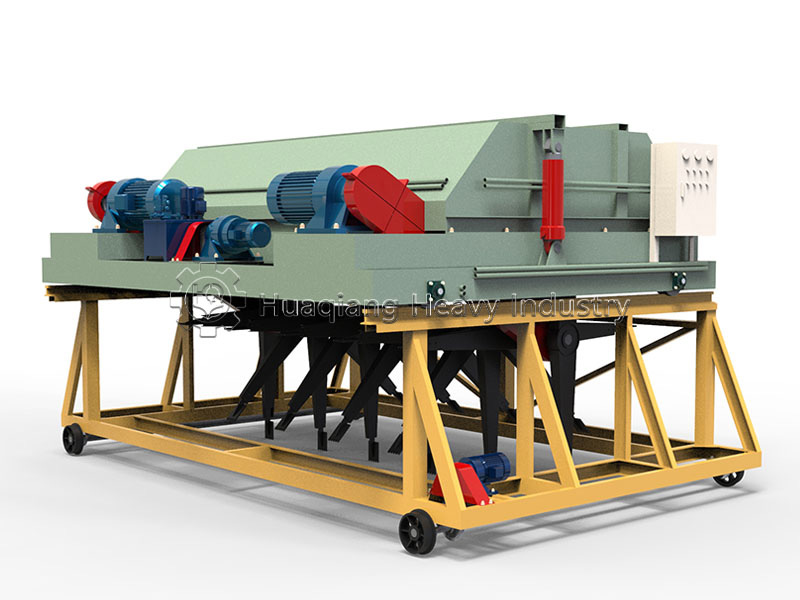
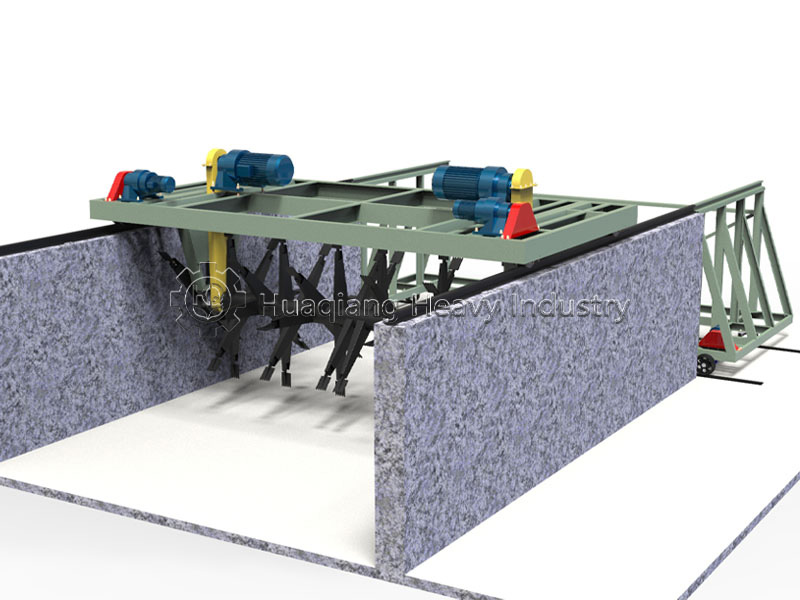
Fermentation equipment acts as the "beating heart" of organic fertilizer production, determining the ultimate degree of maturity (composting) of the fertilizer. Currently, the mainstream options are trough-type compost turners and fermentation tanks. Trough-type turners are suitable for medium-to-large-scale production lines; by periodically turning the raw materials, they facilitate aeration and oxygen supply, regulate fermentation temperatures, accelerate material decomposition, and minimize odor generation. Fermentation tanks, conversely, enable a closed-system fermentation process; they require a smaller footprint, allow for precise control over fermentation parameters, offer higher decomposition efficiency, and are well-suited for environments with stringent environmental protection requirements.
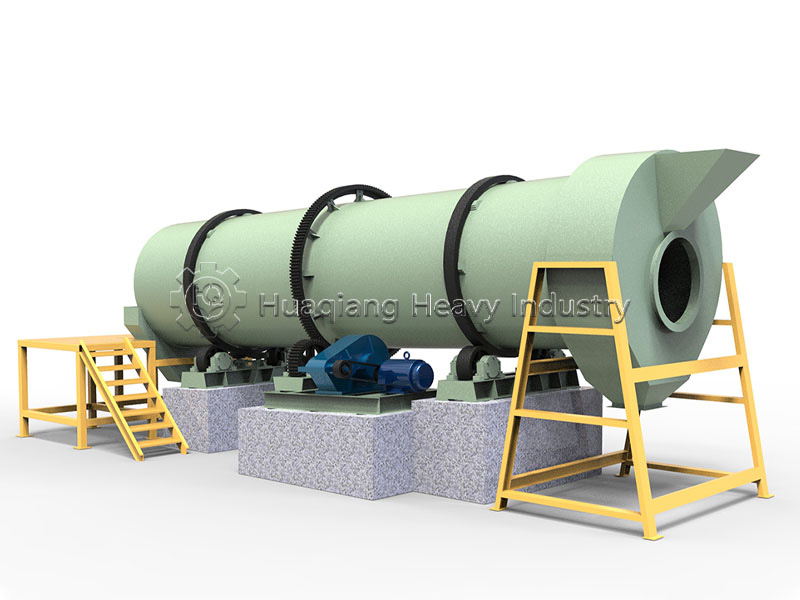
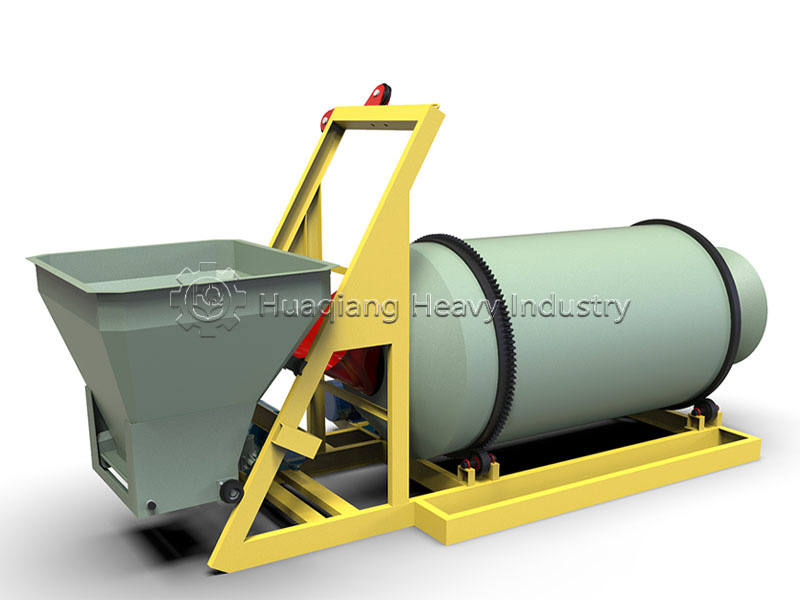
Deep processing equipment is used to transform the fully composted material into finished products that meet established standards; key components in this category include granulators, dryers, and coolers. Granulators shape the composted material into granular form, making it easier to store and apply. Common types—such as disc granulators and drum granulators—boast high granulation rates and produce granules with a uniform, neat appearance. Dryers are employed to remove excess moisture from the granules, preventing mold growth and extending the fertilizer's shelf life. Finally, coolers rapidly cool the dried granules to prevent residual heat from degrading the fertilizer's nutrient content. Packaging equipment constitutes the "final link" in the production line, primarily comprising quantitative packaging machines and sealing machines. Quantitative packaging machines precisely control the weight of each bag of fertilizer—minimizing error—and are adaptable to various packaging specifications; sealing machines rapidly seal the bag openings to prevent moisture ingress, thereby enhancing the standardization and integrity of the product packaging.
Working in concert, these devices form a complete organic fertilizer production line. This system not only enables the resource-efficient utilization of waste materials—such as livestock and poultry manure and crop straw—but also produces highly effective and eco-friendly organic fertilizers, thereby fostering the high-quality development of green agriculture.



.jpg)