An organic fertilizer production line serves as the pivotal mechanism for transforming organic waste—such as livestock and poultry manure and crop straw—into high-quality fertilizer. Its process flow is scientifically rigorous, centering primarily on "harmless treatment" and "nutrient conversion." The process is broadly divided into five core stages; these stages are intricately interconnected, working in concert to guarantee both the quality and practical utility of the organic fertilizer.
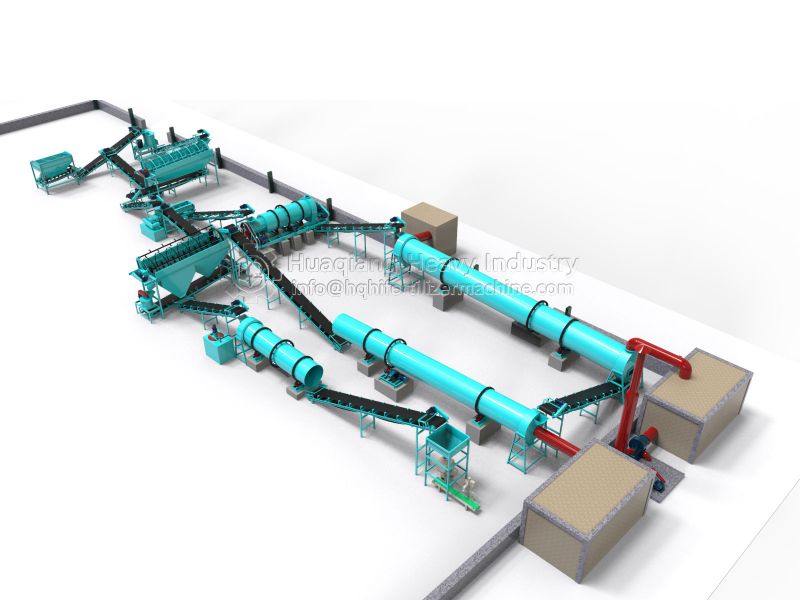
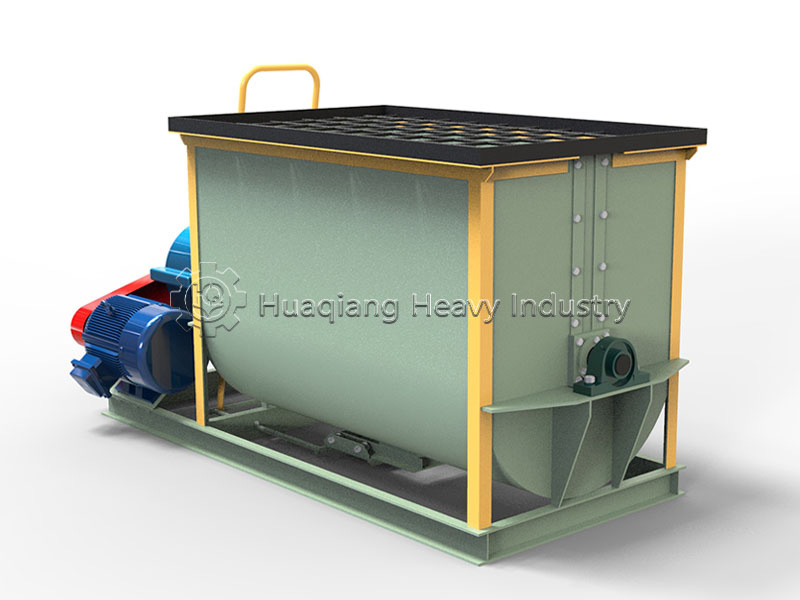
Raw material pretreatment constitutes the foundational stage of the production line, directly influencing the efficacy of the subsequent fermentation process. Initially, collected raw materials—including livestock manure, straw, and mushroom residue—undergo screening to remove impurities such as stones and plastics, thereby safeguarding the purity of the final product. Subsequently, coarse-fiber materials like straw are pulverized using a crusher to a particle size of less than 2 cm; this increases their surface area, facilitating microbial decomposition. Concurrently, based on the specific characteristics of the raw materials, the carbon-to-nitrogen ratio is adjusted to between 25:1 and 30:1, and the moisture content is regulated to between 55% and 65%. By incorporating appropriate auxiliary materials and fermentation inoculants, optimal conditions are established for the fermentation and maturation process.
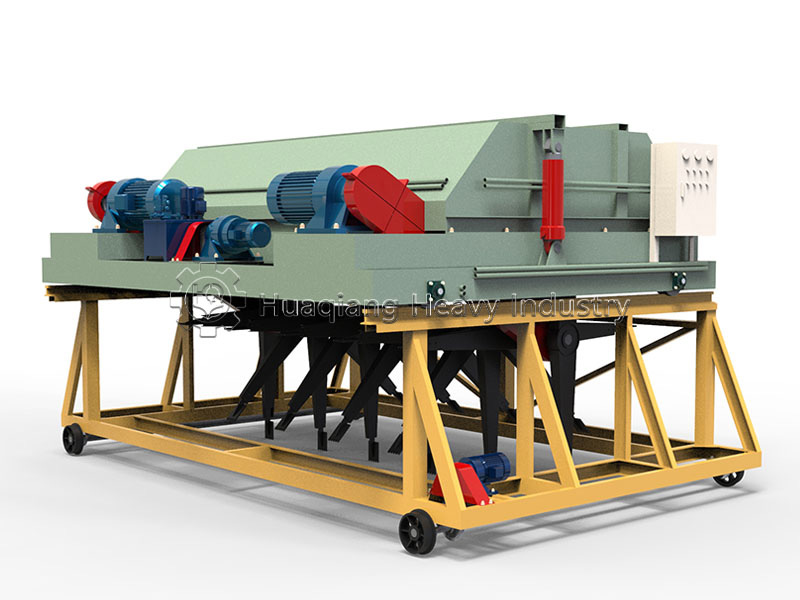
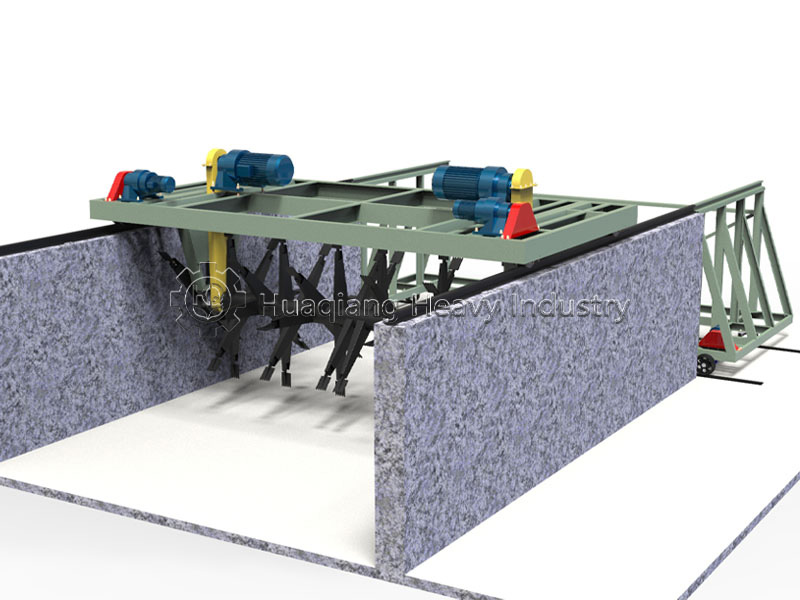
Aerobic fermentation stands as the core operation of the production line, serving as the critical step for rendering organic waste harmless and converting it into humus. The pretreated mixture is subjected to fermentation using methods such as windrow piling, trough-based systems, or enclosed reactors. Through periodic turning using a compost turner, a sufficient oxygen supply is ensured. Furthermore, the fermentation temperature is strictly controlled within the range of 55°C to 70°C and maintained for a specific duration; this not only accelerates microbial activity but also effectively eradicates pathogens, insect eggs, and weed seeds. The entire fermentation cycle typically spans 15 to 25 days; upon completion of fermentation, the material is transferred to a curing bin to undergo a resting period of 10 to 15 days, thereby achieving nutrient stabilization.
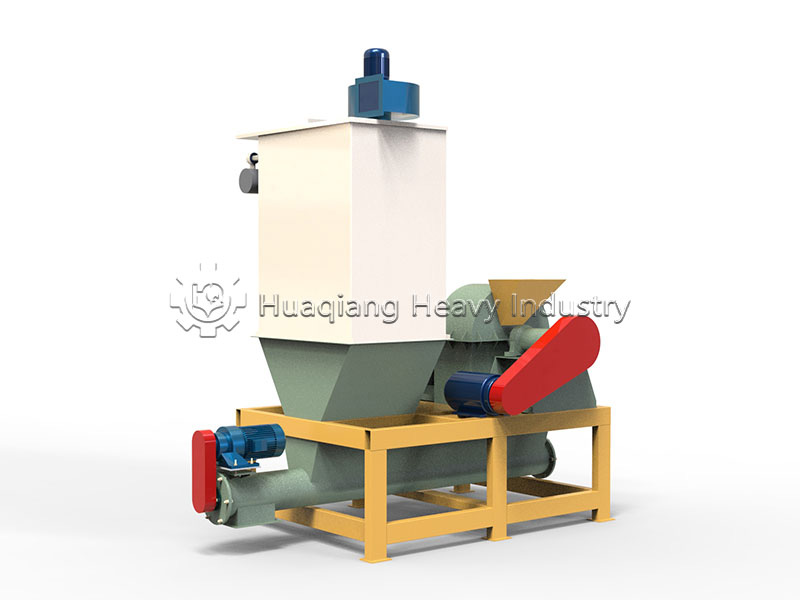
Crushing and screening constitute a vital stage for enhancing the fineness and uniformity of the organic fertilizer. The cured material is first pulverized using a semi-wet material crusher, then passed through a rotary screen or vibrating screen for classification. The screened fine particles that meet the specifications proceed to the subsequent stages, while coarse, oversized particles are returned to the crushing stage for reprocessing, thereby ensuring that the final product's particle size complies with established standards.
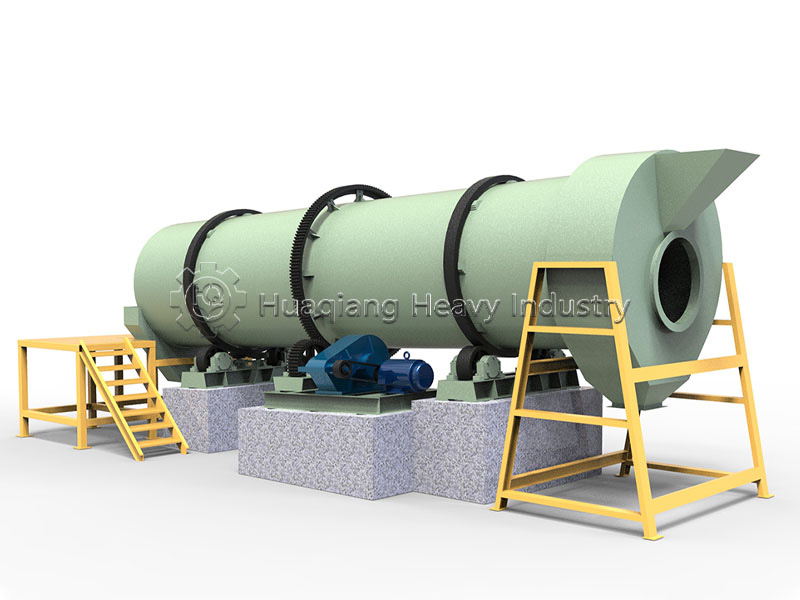
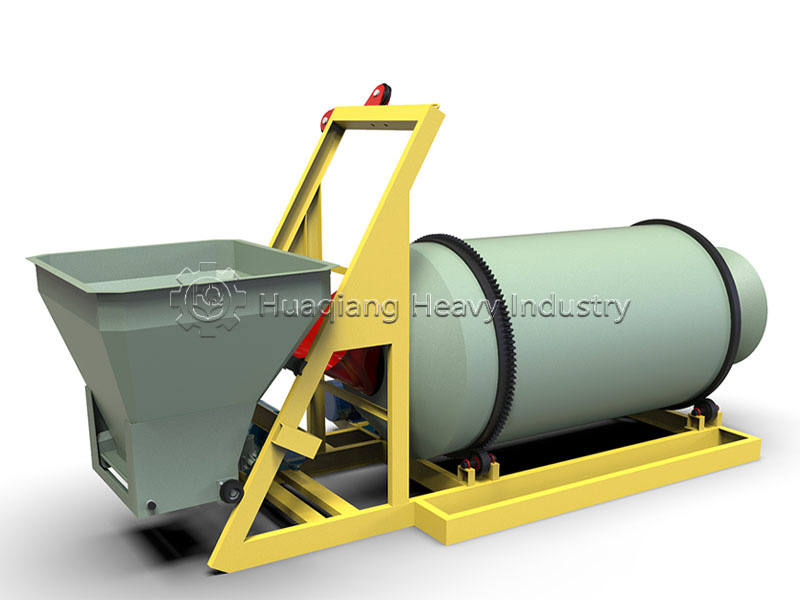
Granulation, drying, and cooling processes are primarily employed in the production of granular organic fertilizer, representing an advanced upgrade from the production of powdered organic fertilizer. Qualified powdered materials are blended with nutrient regulators in accordance with the prescribed formula, then processed into granules using methods such as disc granulation or stirring-tooth granulation. Subsequently, a rotary dryer is employed to reduce the moisture content to below 15%, followed by cooling to ambient temperature in a cooler to enhance granule strength and facilitate convenient storage and transport.
Packaging and storage constitute the final stage of the organic fertilizer production line. Finished products are automatically weighed, bagged, and sealed, then labeled with relevant information before being stored in a cool, dry warehouse to prevent moisture absorption and deterioration.
This process not only achieves the resource utilization of organic waste—thereby reducing environmental pollution—but also yields organic fertilizers that serve the dual functions of soil amendment and nutrient enrichment, thereby fostering the development of green agriculture. The scientific integration of these various process stages ensures both production efficiency and the consistent stability of product quality.



.jpg)